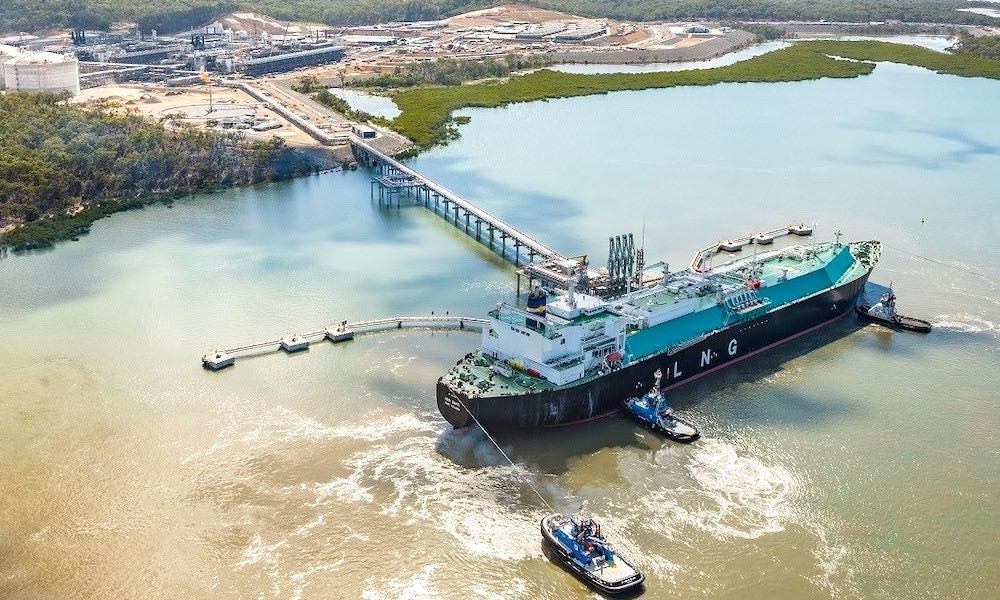
Japan's two largest shipping lines have locked in dedicated carrier capacity for a new low-carbon fuel supply chain. Mitsui OSK Lines (MOL) and Nippon Yusen Kaisha (NYK) have each fixed two 87,000 cu m very large gas carriers (VLGCs) to JERA under long-term charters tied to the Blue Point ammonia project in Louisiana, according to Splash247. The ships will carry low-carbon ammonia from the US Gulf to JERA's Hekinan Thermal Power Station in Aichi Prefecture, with first deliveries expected around fiscal year 2029.
The contracts follow memoranda of understanding signed in 2022 and heads of agreements reached in December 2025 covering cooperation on fuel ammonia transport. JERA, Japan's largest power generator, has invested in the Blue Point project and plans to commercially co-fire ammonia at Hekinan at a 20% heat value ratio starting around the same period. NYK said the project is expected to mark the first shipment of low-carbon fuel ammonia for power generation from the US to Japan.
Contract and Vessel Details
MOL's two vessels will be built by Kawasaki Heavy Industries with delivery scheduled for the first half of 2027. The ships measure approximately 230 m in length, with a breadth of 37.2 m and a summer draft of 11.65 m. NYK Bulkship (Asia), the Singapore-based NYK subsidiary, has also signed for two Kawasaki-built VLGCs with similar dimensions. NYK stated the vessels will be LPG/VLSFO dual-fuel ships, capable of burning both liquefied petroleum gas and very low sulphur fuel oil.
| Company | Vessel Type | Capacity (cu m) | Builder | Delivery | Fuel Type |
|---|---|---|---|---|---|
| MOL | VLGC (x2) | 87,000 | Kawasaki Heavy Industries | H1 2027 | Not specified |
| NYK (via NYK Bulkship Asia) | VLGC (x2) | 87,000 | Kawasaki Heavy Industries | Not specified | LPG/VLSFO dual-fuel |
Operational and Strategic Implications
These charters signal a significant step in establishing a dedicated ammonia trade lane between the US Gulf coast and Japan. For ocean carriers and logistics operators, the development of ammonia as a marine fuel and power-generation feedstock will require new handling infrastructure at both loading and discharge ports. The Port of Hekinan will need ammonia-receiving and storage facilities capable of handling these VLGCs. JERA's investment in the Blue Point ammonia project in Louisiana also points to growing US ammonia export capacity, which could create new backhaul opportunities for container and breakbulk operators.
Ammonia, which emits no CO₂ at the point of combustion, is being positioned by Japan as a key fuel for power generation, marine fuel, and hydrogen transport. The involvement of MOL and NYK — Japan's two largest shipping lines — underscores the strategic importance of this supply chain for national energy security and decarbonisation goals.
Watch List
- Construction timeline: Kawasaki Heavy Industries' ability to deliver the ships by H1 2027 will be a key milestone. Delays could push back the ammonia shipment start date.
- Terminal readiness: Hekinan Thermal Power Station must complete ammonia co-firing retrofits and receiving terminal upgrades by fiscal 2029. Any delays at the power plant could affect charter commencement.
- Blue Point project progress: JERA's investment in the Louisiana project depends on final investment decisions, permitting, and construction. Any delays at Blue Point would ripple into shipping schedules.
- Regulatory approvals: The transport of low-carbon ammonia under international maritime regulations (e.g., IGC Code) and US/Japanese import rules will need clearances. Changes in carbon pricing or fuel standards could affect the economics.
- Alternative fuel adoption: If other Japanese utilities or regional buyers follow JERA's lead, demand for ammonia carriers could tighten the VLGC market, raising spot rates on the US-Japan lane.
Sources: