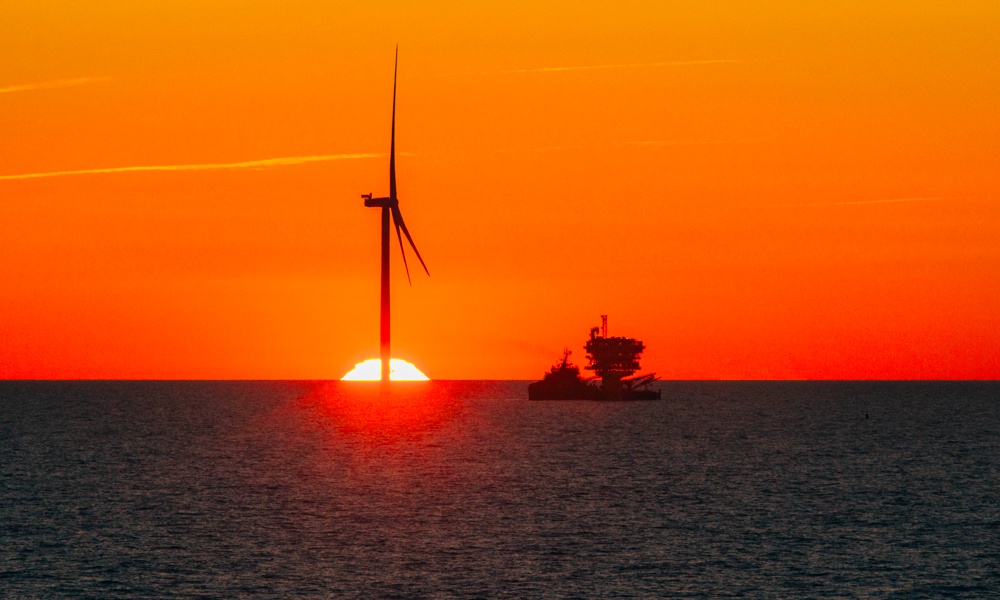
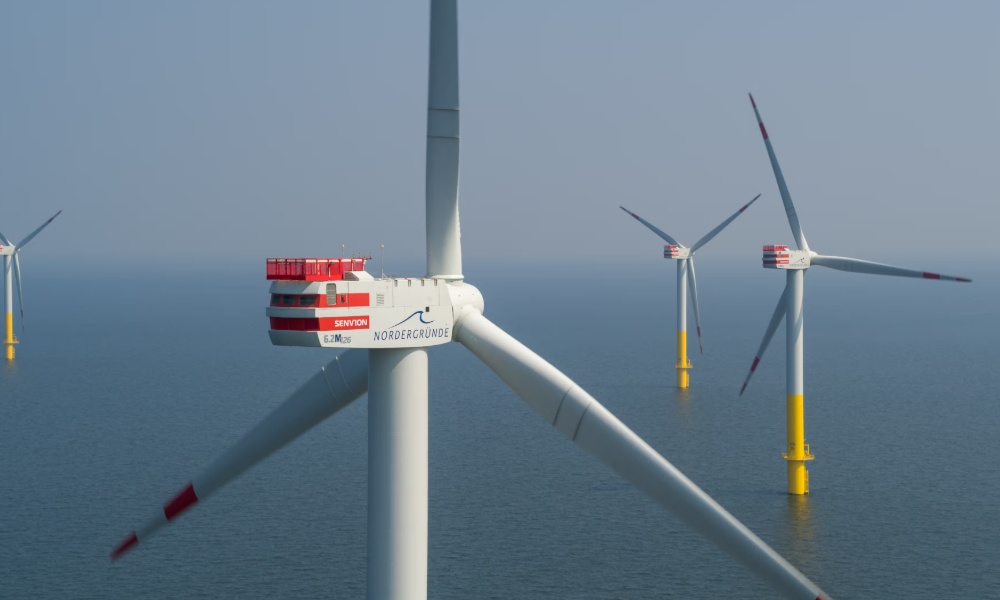
Belgian marine contractor DEME has been awarded a substantial contract to transport and install foundations for phase 1 of the Zeevonk offshore wind project in the Netherlands, according to Splash247.
The project, jointly owned by Vattenfall and Copenhagen Infrastructure Partners through its Energy Investment Fund I, will have a total installed capacity of approximately 1GW.
Contract Details
Under the contract, DEME will be responsible for intermediate transport of monopiles, marshalling services for primary and secondary steel, and the transport and installation of 69 monopile foundations, as well as the installation of a filter layer for scour protection. For the company, the contract is considered substantial, placing it in the €150m to €300m range, according to Splash247.
| Scope Element | Detail |
|---|---|
| Monopile foundations | 69 units |
| Contract value | €150m – €300m |
| Project capacity | ~1 GW |
| Client | Vattenfall & Copenhagen Infrastructure Partners |
Timeline and Vessels
The Zeevonk project is planned off the Dutch North Sea coast between 63 km and 84 km from the town of Bergen aan Zee. Offshore construction is scheduled to start in 2028. The project remains subject to a final investment decision.
The works will be executed using several vessels from DEME’s fleet, including:
- Floating offshore transport and installation vessel Orion for monopile installation
- Jack-up offshore transport and installation vessel for secondary steel
- Fallpipe rock transport and installation vessel for scour protection
Implications for Project Logistics
For freight forwarders and heavy-lift logistics operators, this contract signals continued demand for specialized marine equipment and coordinated supply chains for offshore wind components. The transport of monopiles – often weighing hundreds of tonnes each – requires dedicated heavy-lift vessels and careful route planning to avoid port congestion. Marshalling services for primary and secondary steel imply a need for laydown yards and quayside handling, likely at Dutch or Belgian ports such as Rotterdam or Antwerp.
With a start date of 2028, logistics planners have a multi-year lead time to secure barge slots, crane capacity, and storage space. The use of multiple vessel types (floating, jack-up, fallpipe) indicates that subcontractors in the offshore installation segment may see increased demand for similar assets. Carriers and 3PLs specializing in project cargo should monitor the final investment decision closely, as it will trigger procurement and mobilization activities.
Watch List
- Final investment decision on Zeevonk (pending)
- Vessel availability: DEME's Orion is a key asset; any schedule changes could affect timelines
- Port infrastructure: Potential need for upgrades at marshalling ports to handle 69 monopiles and associated steel
- Dutch offshore wind policy: Further tenders in the North Sea could strain heavy-lift capacity
Sources: