The freight recession's lingering effects are finally subsiding, as evidenced by increased activity in auction lots across the United States. Taylor & Martin, a leading transportation equipment auctioneer, reports a noticeable uptick in auction attendance and equipment purchases by owner-operators.
Market Context
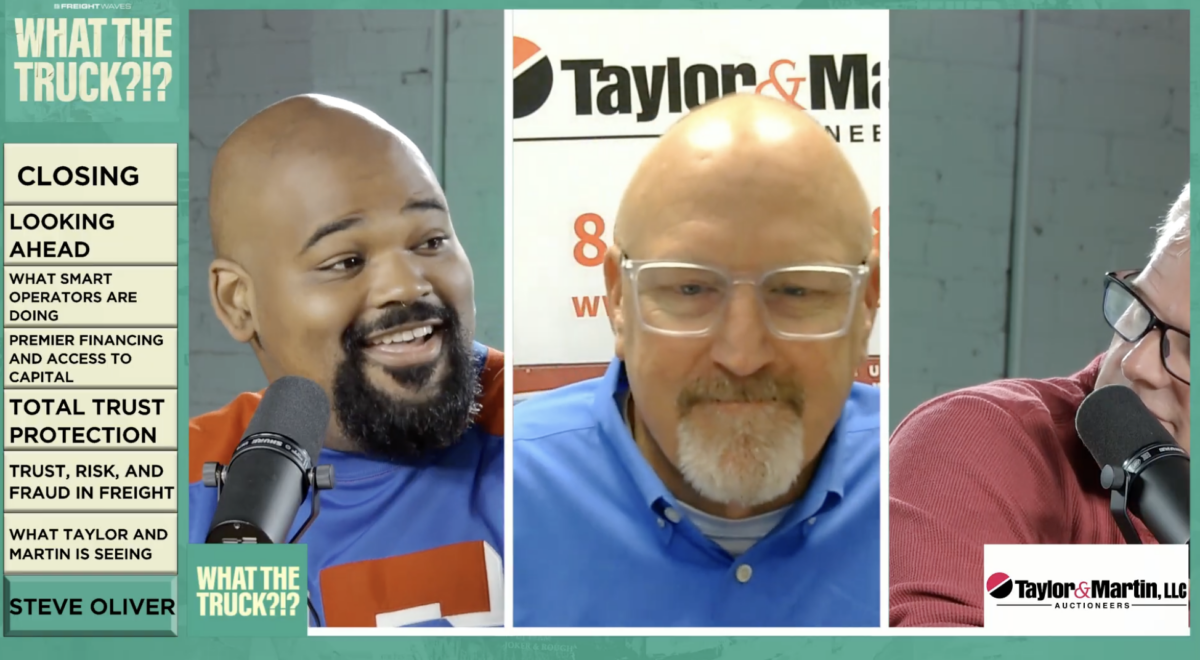
The freight recession, characterized by oversupply and compressed values, had left many trucks idle. However, early 2026 has seen a shift, with rates beginning to rise and owner-operators returning to the market. Steve Oliver, Vice President of Sales and Marketing at Taylor & Martin, notes that as soon as rates started to tick up in January, auction attendance increased significantly.
Impact on Trade Lanes and Modes
This recovery is primarily affecting the road freight sector, with owner-operators investing in new equipment. The responsiveness of the trucking economy means that capacity can quickly flood back into the market, potentially leading to concerns about equipment provenance and fraud.
Shipper and Operator Implications
For shippers and logistics operators, this resurgence in auction activity suggests a more stable market environment. However, they should remain vigilant about equipment provenance. Taylor & Martin has implemented a "Total Trust Protection" initiative to ensure transparency and security for remote buyers, verifying VIN numbers and conducting thorough checks.
"If people feel like they can make a living, they are in. They come in, they buy equipment, and they put it to work as soon as they can possibly get it on the road," said Steve Oliver.
Watch List
Looking ahead, stakeholders should monitor freight rate movements and auction trends closely. Any significant changes in economic conditions or freight theft incidents could impact the current positive trajectory.
| Indicator | Current Status | Change |
|---|---|---|
| Auction Attendance | Increasing | Positive |
| Freight Rates | Rising | Positive |
| Equipment Purchases | Increasing | Positive |
The freight recession's hangover is lifting, but the market's responsiveness means stakeholders must stay informed and prepared for rapid changes.