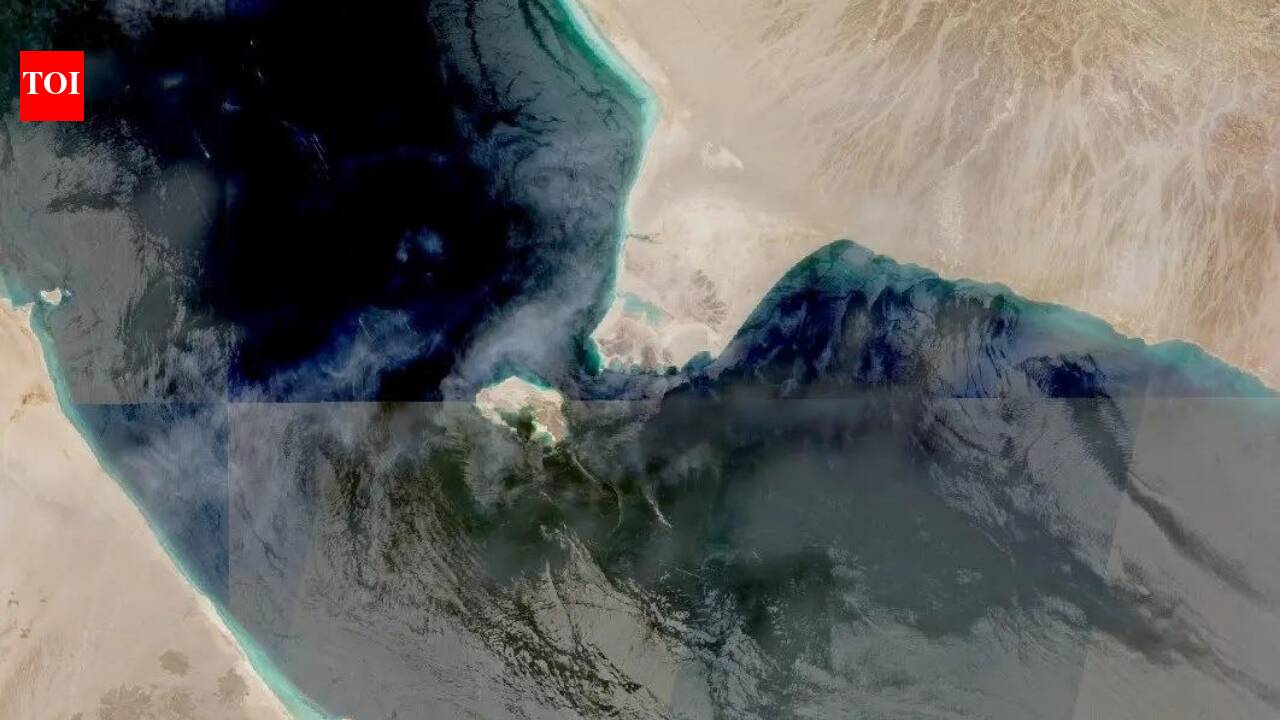
Yemen's Iran-aligned Houthi movement declared a naval blockade on Saudi Arabia on Monday, threatening to widen a Red Sea conflict that is closing in on 1,000 days, according to Splash247. The declaration immediately raises the risk profile for Saudi-flagged vessels, ships transiting to or from Saudi Arabia, and the kingdom's Red Sea ports.
Context and Retaliation
The Houthis' armed forces said in a statement they were imposing “a maritime embargo against the criminal Saudi enemy, based on the equation of ‘an eye for an eye’, effective immediately,” Splash247 reported. Military spokesman Yahya Sare’e said the group had anti-ship missiles, reportedly supplied by Iran, ready to fire on vessels violating the blockade. The Houthis said the move was retaliation for a Saudi strike on Sanaa International Airport and what they called “an unjust and oppressive siege” imposed on Yemen.
Risk Assessment by Ambrey
Security firm Ambrey assessed that Saudi-flagged, owned or operated vessels, ships transiting to or from Saudi Arabia, and the kingdom’s Red Sea ports now carry “a strong affiliation with the Houthi target profile” and face high risk of attack, according to Splash247. Ambrey noted that the maritime domain had not yet been directly hit despite the threat, but warned of a heightened risk that the Houthis could target shipping companies that call at Saudi ports, echoing their earlier “blockade” of vessels linked to Israel. The firm advised companies to run affiliation checks against the Houthi target profile and reconsider high-risk transits.
Saudi Arabia's Response
Hours after the announcement, Saudi Arabia’s foreign ministry rejected separate Houthi accusations that the kingdom was blockading Yemen, saying it would “take all necessary measures to safeguard its vessels” under international law and the 1982 UN Convention on the Law of the Sea, Splash247 reported.
Trade Lane and Energy Implications
The threat is particularly sensitive because Saudi Arabia has increased use of its East-West Pipeline and the Red Sea export terminal at Yanbu as an alternative to the conflict-hit Strait of Hormuz, according to Splash247. The blockade declaration lands alongside a separate threat reported last week, in which Iran asked the Houthis to stand ready to close the Bab el-Mandeb strait entirely if the US strikes Iranian power infrastructure.
| Risk Factor | Current Assessment |
|---|---|
| Saudi-flagged vessels | High risk of attack per Ambrey |
| Ships to/from Saudi ports | Strong affiliation with Houthi target profile |
| Red Sea ports (Yanbu, etc.) | Heightened risk; companies urged to check affiliations |
| East-West Pipeline & Yanbu terminal | Sensitive alternative route now threatened |
| Bab el-Mandeb strait | Potential closure if US-Iran tensions escalate |
Shipper and Operator Implications
Freight forwarders, ocean carriers, and logistics managers should immediately review their vessel affiliations and transit plans for the Red Sea and Saudi Arabian ports, as advised by Ambrey. The blockade could force rerouting around the Cape of Good Hope, increasing transit times and freight costs, though no rate data is yet available from sources. Companies calling at Saudi ports should consider alternative routing or enhanced security measures. The dual threat of the blockade and potential Bab el-Mandeb closure could severely constrain east-west trade flows.
Watch List
- Iran-Houthi coordination: Further directives from Iran to escalate maritime disruptions.
- Saudi military response: Potential strikes or naval escorts that could raise tensions.
- US-Iran tensions: If the US strikes Iranian infrastructure, Houthis may close Bab el-Mandeb as threatened.
- Insurance premiums: War risk premiums for Red Sea transits may spike, affecting freight rates.
- Alternative routes: Increased use of Cape of Good Hope could strain capacity and lengthen lead times.
Sources: