Japan’s Kawasaki Kisen Kaisha (K Line) and Malaysia-based MISC have secured a time charter contract from the Northern Lights joint venture for a newly built 12,000 cubic meter (cu m) LCO2 carrier. This development marks a significant expansion in their role in cross-border CO2 transportation within Europe.
Context and Background
The contract follows a previous agreement signed on January 29, 2026, for another 12,000 cu m LCO2 carrier. The new vessel will be constructed by China’s Dalian Shipbuilding Offshore and is scheduled for delivery between the second half of 2028 and the first half of 2029. This charter is part of the Oslo-based CCS JV, owned by Equinor, TotalEnergies, and Shell.
Impact on European CO2 Transport
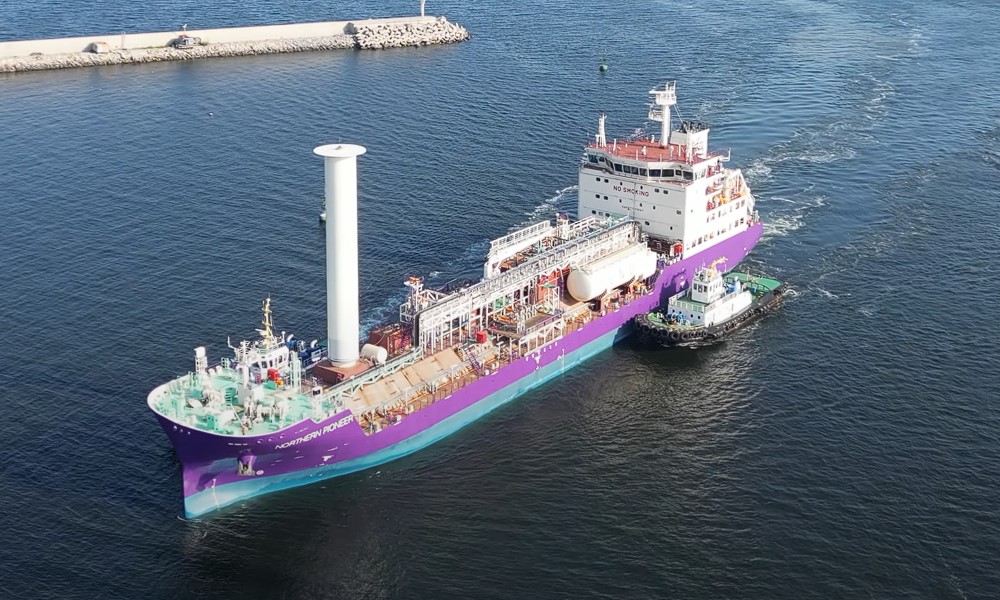
The Northern Lights project, which commenced operations in 2025, initially had an annual CO2 transport and storage capacity of 1.5 million tons. The project is set to expand to more than 5 million tons per year from the latter half of 2028. K Line is already managing the operation of three 7,500 cu m LCO2 carriers for Northern Lights: the Northern Pioneer, Northern Pathfinder, and Northern Phoenix.
"This expansion is crucial for meeting Europe’s growing demand for CO2 transport and storage," said a spokesperson from Northern Lights.
Shipper and Operator Implications
For shippers and operators, this expansion means increased capacity and reliability in CO2 transport across Europe. Companies involved in carbon capture and storage (CCS) should prepare for enhanced logistics capabilities and potentially lower costs due to increased competition and capacity.
| Carrier | Capacity (cu m) | Delivery Date |
|---|---|---|
| K Line & MISC | 12,000 | 2028-2029 |
| K Line (existing) | 7,500 | Operational |
Watch List
- Regulatory Changes: Monitor potential regulatory changes in CO2 transport and storage within the EU.
- Market Demand: Keep an eye on the demand for CO2 transport as industries aim to reduce emissions.
- Construction Delays: Any delays in shipbuilding could impact delivery schedules and capacity.
This development underscores the strategic importance of expanding CO2 transport capabilities in Europe, aligning with broader environmental goals.