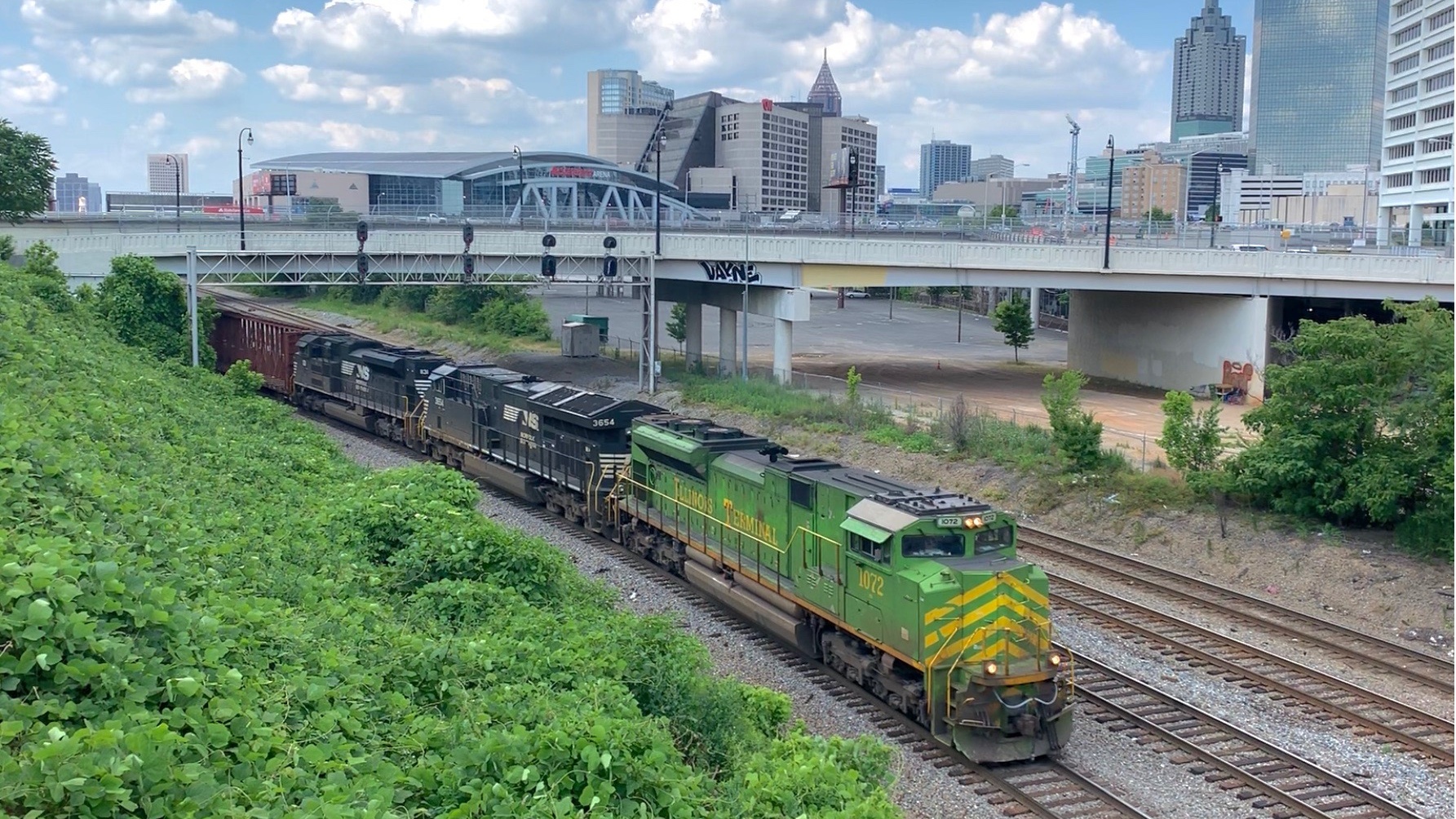
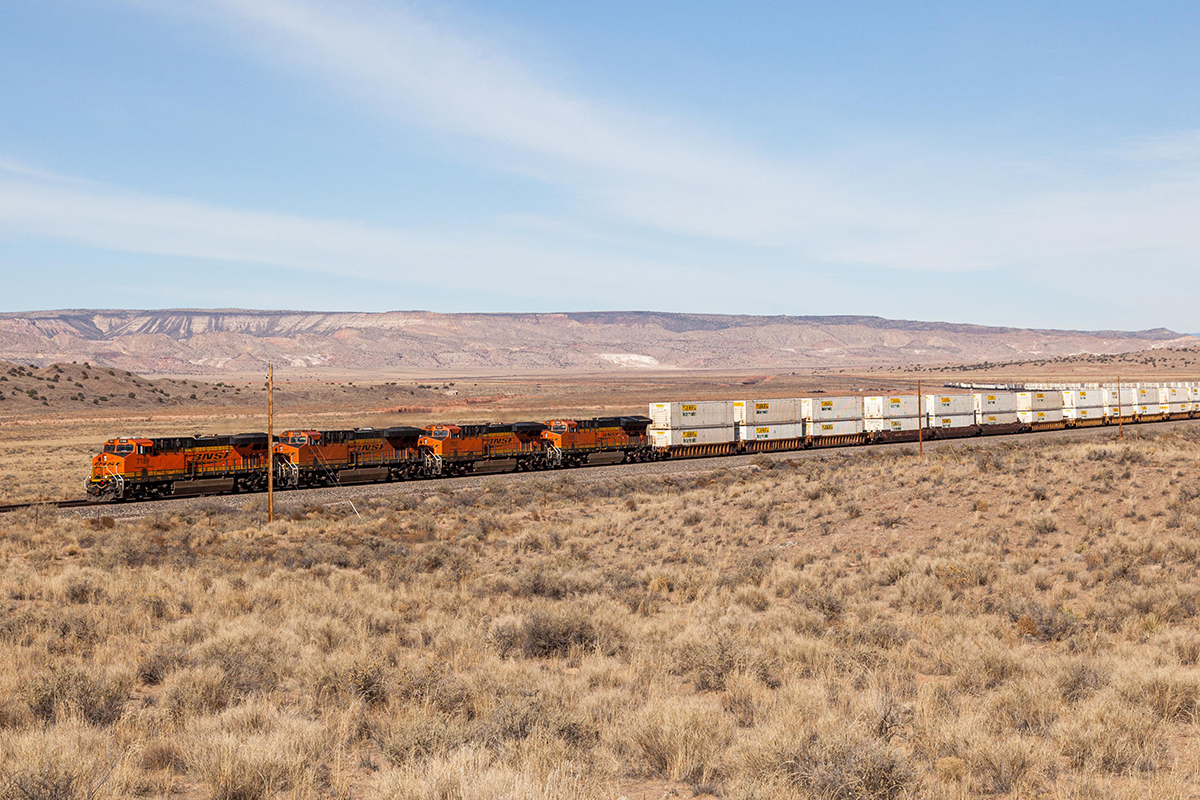
U.S. rail freight posted broad-based gains in the week ending June 27, driven by industrial products and rising manufacturing output, according to the Association of American Railroads (AAR). Total U.S. rail traffic reached 525,474 carloads and intermodal units, up 7% from the same week a year ago.
Rail Traffic Highlights
AAR reported that commodities (carloads) increased 3.3% year-over-year to 232,408 carloads, while intermodal volume — containers and trailers — totaled 293,066 units, a 10.1% jump compared with the same week in 2025. For the first 25 weeks of 2026, U.S. railroads hauled cumulative volume of 5,681,611 carloads, up 3.2% year-over-year, and 6,984,982 intermodal units, ahead 3.3%. Total combined traffic for the period reached 12,666,593 carloads and intermodal units, also up 3.3%.
Commodity Performance
Nine of 10 carload commodity groups posted year-over-year increases. Metallic ores and metals led with a 19.8% gain. Grain rose 6.1%, and farm products excluding grain and food increased 5.7%. The only decliner was motor vehicles and parts, which fell 4.9% for yet another week of losses.
North American Rail Volume
For the week, nine reporting U.S., Canadian, and Mexican railroads together moved 339,542 carloads, up 2.9% from the year-ago week, and 380,311 intermodal units, up 6.9%. Total combined North American traffic improved 5% to 719,853 carloads and intermodal units. Year-to-date, North American rail volume was 17,428,272 carloads and intermodal units, an increase of 2.7% compared with the first half of 2025.
Manufacturing Context
The gains occurred against a backdrop of expanding but slowing U.S. manufacturing output. The Institute for Supply Management (ISM) manufacturing index fell to 53.3 in June from 54.0 in May, and output growth eased to 52.2 from 54.3. Meanwhile, the S&P Global survey still showed solid factory growth, with the strongest output reading since May 2022.
Watch List
- ISM manufacturing data: Further declines could signal softening demand for rail-shipped industrial commodities.
- Motor vehicles and parts: Continued weakness may indicate supply chain or demand issues affecting that sector.
- Intermodal volume: Sustained double-digit growth would reflect strong consumer demand and containerized freight flows.
Sources: