According to FreightWaves, Miami-based charter operator Global Crossing Airlines (GlobalX) has dismissed its $30 million breach-of-contract lawsuit against Ascent Global Logistics and terminated their exclusive brokerage agreement, ending a saga that contributed to the carrier's persistent difficulty generating business for its cargo fleet.
Legal dispute ends
Ascent Global Logistics, headquartered in Belleville, Michigan, was once GlobalX's largest shareholder. GlobalX filed suit on June 4, alleging the former investment partner failed to honor an agreement to steer air cargo business its way and instead assigned charter work to USA Jet Airlines, its expedited on-demand freighter subsidiary with a large roster of automotive clients, according to FreightWaves. The agreement to drop the lawsuit and settle differences was made official last week. The companies said they have ended their 2023 exclusive brokerage agreement, and GlobalX agreed to payment terms for amounts owed to Ascent, according to a joint news release.
Payment terms were not disclosed, but it was publicly known that Ascent demanded the remaining $1.94 million balance of a $2.5 million prepayment to GlobalX to provide cargo flights to its customers. GlobalX claimed that Ascent only referred a handful of flights over a three-year period.
| Metric | Figure |
|---|---|
| Lawsuit damages sought | $30 million |
| Ascent prepayment to GlobalX | $2.5 million |
| Remaining prepayment demanded | $1.94 million |
| Cargo revenue drop in Q2 | $2.9 million, ~50% YoY |
| A321 converted freighters controlled | 4 |
| Freighters parked in March | 2 |
| Freighters currently operating | 3 |
Cargo operations remain under pressure
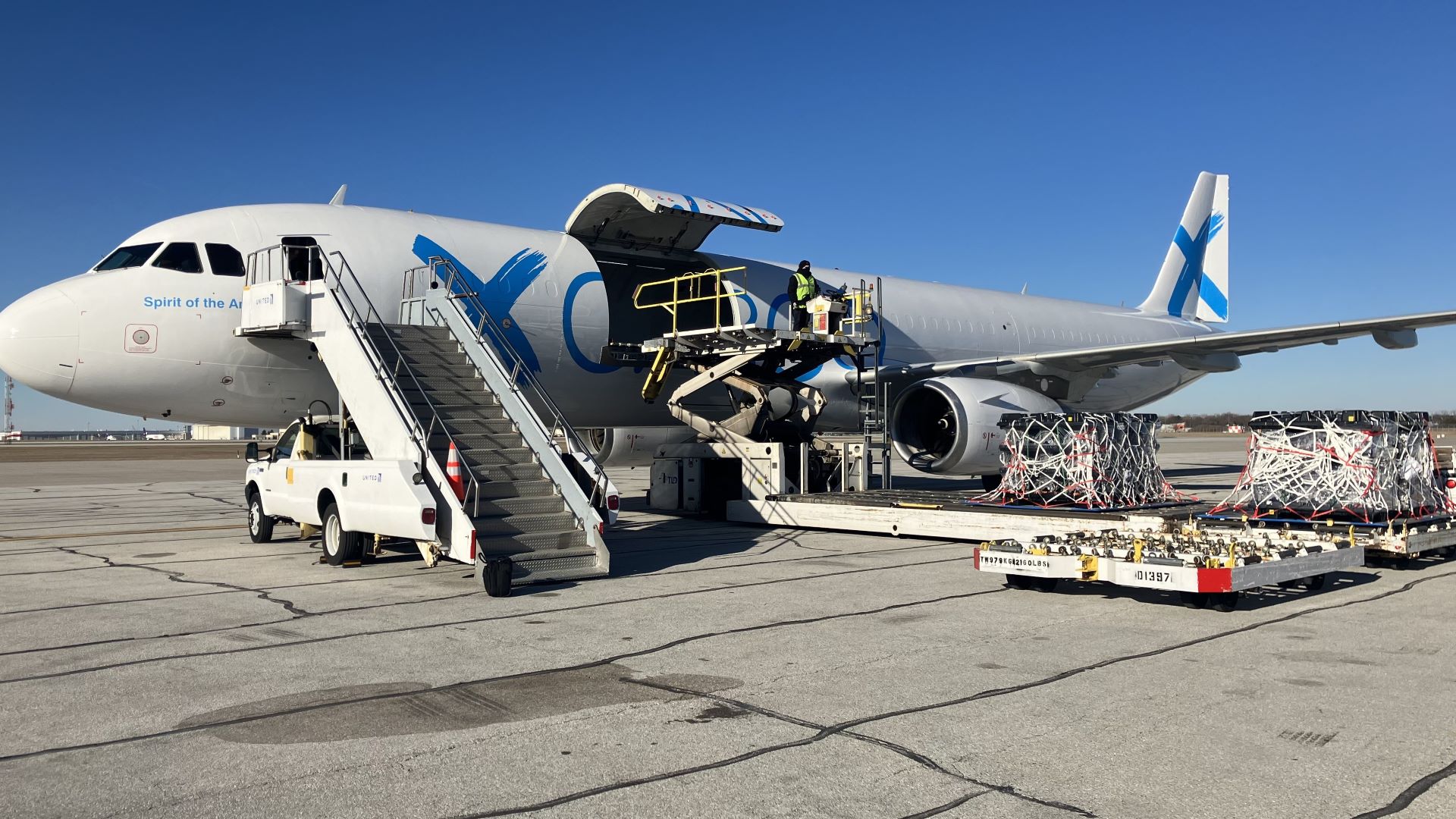
Most of GlobalX's business comes from contract flying for professional and college sports teams, the Department of Homeland Security, and other groups, according to FreightWaves. But the startup company also controls four Airbus A321 narrowbody converted freighters that have never been able to deliver consistent cargo business, partly due to Ascent's efforts to stymie GlobalX in the North American regional market. In March, GlobalX parked two of the A321 freighters because slow business made them unprofitable to operate.
During the second quarter ended June 30, cargo revenue dropped $2.9 million, or about 50%, year over year, according to earnings released Wednesday. "For cargo operations, freight market conditions have not materially improved relative to passenger flying as excess capacity and lower market rates continue to pressure utilization and earnings. Cargo remains a drag on near-term results, and we continue to prioritize passenger flying as the primary economic engine of the business," said President and Chief Financial Officer Ryan Goepel during a conference call. The cargo business is taking about $1 million per month from the bottom line, he explained.
GlobalX is now operating three of the A321 cargo jets after Miami competitor 7Air outsourced some of its business, Goepel told FreightWaves in a subsequent email. But the new transport services agreement doesn't alter the ongoing pressure on GlobalX's cargo business.
Market context: narrowbody freighter glut
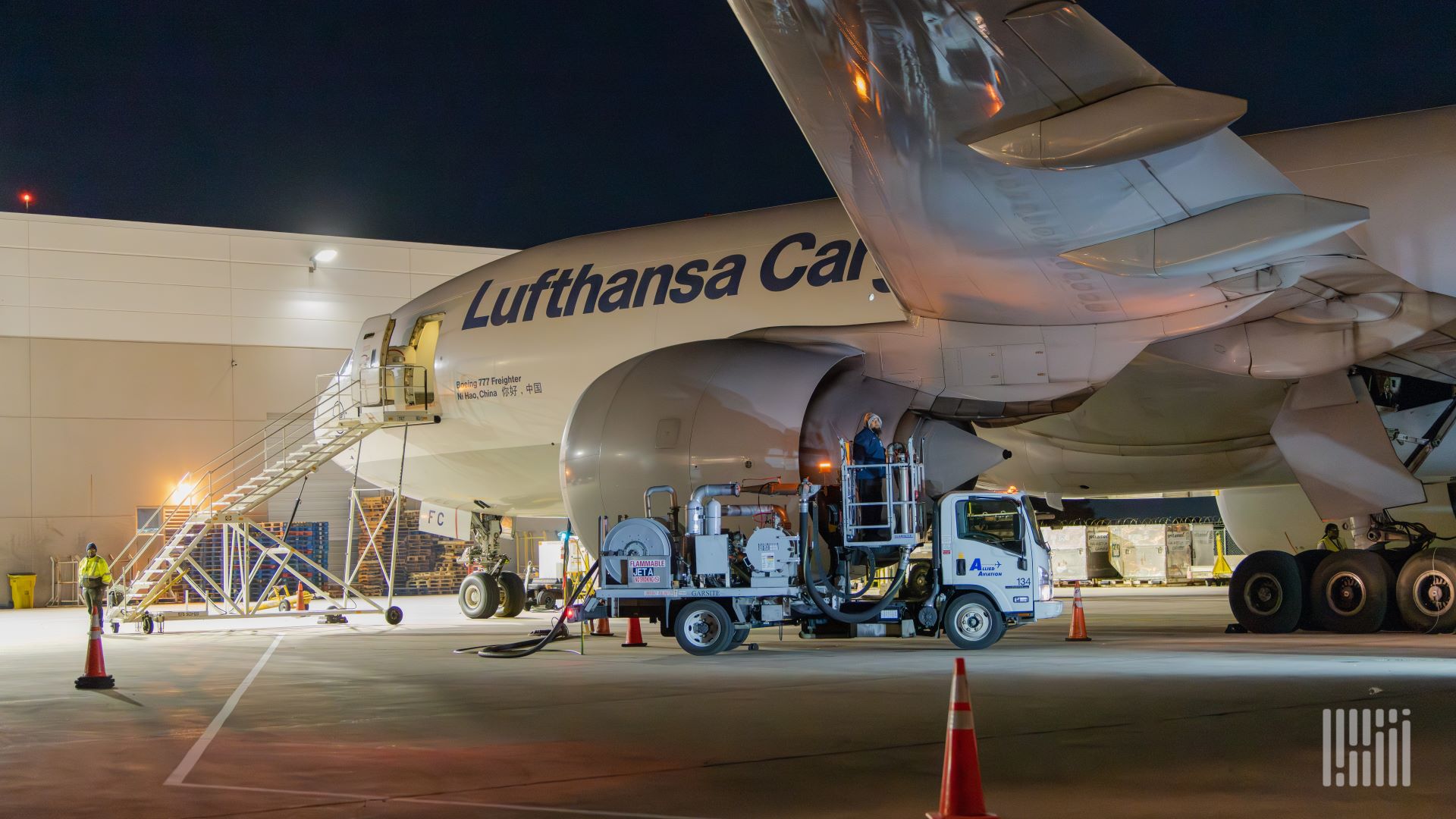
GlobalX has learned the hard way that breaking into a regional freight market is difficult because of a glut of narrowbody aircraft — Boeing 737-800 converted freighters, older 737 variants, McDonnell Douglas MD-88s and other aircraft exceeding 30 years in age — and incumbent carriers operating fully depreciated assets, according to FreightWaves. Lufthansa Airlines is at a similar crossroads with its fleet of four A321 converted freighters. FreightWaves recently reported that Lufthansa Cargo has removed the brand logo from the planes and is trying to return them to the lessor, or sublease them, despite assertions of a planned return to service.
Implications for shippers and operators
Freight forwarders and shippers using GlobalX cargo lift should expect continued capacity uncertainty. On the earnings call, Goepel said the company continues to review a range of options for the freighter fleet, including parking aircraft, returning them to lessors, subleasing, selling, using engines for its passenger fleet or leasing the engines to passenger airlines. The choices aren't ideal: lessors don't want to take back planes, and GlobalX would likely be on the hook to pay a penalty for breaking the lease. Airlines experienced in managing subleases to other carriers still retain the ultimate risk on the assets, according to the company's commentary.
For the wider air cargo market, the dismissal removes a legal dispute between the airline and its former broker, but the underlying economics remain unchanged: excess narrowbody freighter capacity and lower market rates continue to pressure utilization and earnings, as Goepel described.
Watch list
- Lufthansa Cargo's A321 freighter decision: Whether the carrier returns its four converted freighters to the lessor or subleases them will shape narrowbody capacity in the regional market.
- GlobalX fleet review: Parking, subleasing, or selling any of the A321 freighters would further reduce available cargo lift.
- Freight market conditions: Any change in freight rates and cargo utilization will directly affect GlobalX's decision to keep the remaining freighters active.
- 7Air outsourcing arrangement: GlobalX is now operating three A321 freighters after Miami competitor 7Air outsourced some of its business; any change to that arrangement alters GlobalX's cargo network.
Sources: