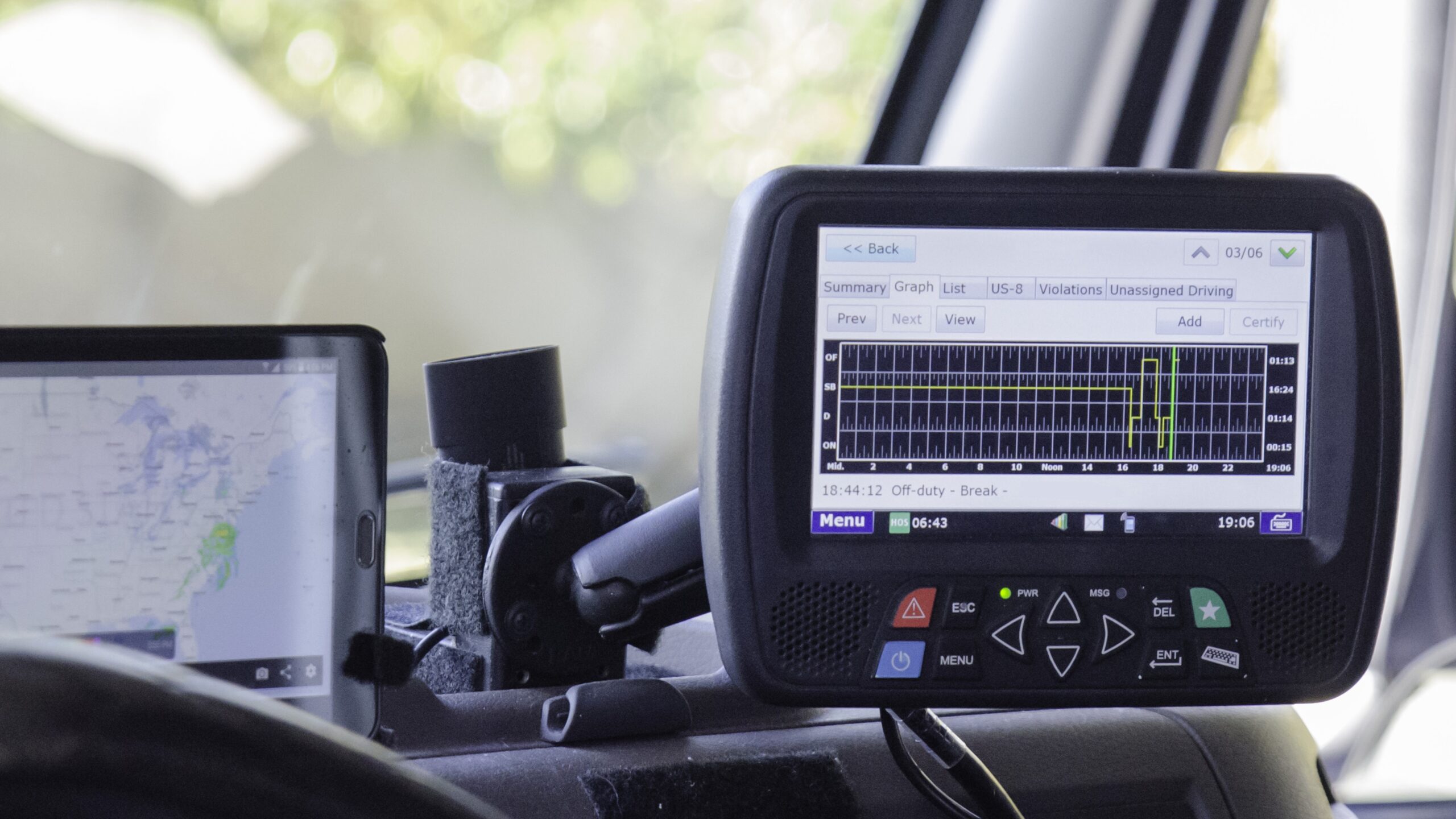
A deadline of July 5 requires all carriers vetted through the Highway compliance system to connect their electronic logging devices (ELDs) to the platform, according to a memo circulated by Highway and confirmed by FreightWaves. About 90% of carriers are already connected, but the remaining 10% must comply or risk losing broker relationships.
Background and the Montgomery Decision
The policy is a direct response to the Supreme Court's unanimous decision in Montgomery v. Caribe Transport II, which held that brokers can be held liable for negligence involving carriers they hire. The ruling clarified conflicting circuit court decisions, making it clear that brokers are exposed to liability for crashes or incidents involving hired carriers. Highway's memo, supplied to FreightWaves and confirmed by the company, states: "Given the Montgomery v. Caribe Transport II, LLC ruling by the Supreme Court, brokers are requesting heightened visibility into the motor truck carriers they hire to haul loads." The memo warns that "more and more brokers will be demanding validation that the carrier booked on a load is the carrier picking up the load."
Operational Impact on Carriers and Brokers
Carriers that do not connect their ELD to Highway by July 5 will face consequences. The memo states: "Your connections with brokers will fail if a valid and active ELD is not connected by the date listed above." Brokers, now under increased liability, may be more cautious about overriding a carrier's status in Highway. According to Brittany Graft, chief operating officer at Highway, the policy was first communicated to carriers about a week after the Montgomery decision was handed down. She noted that ELD connections provide significant information, such as carrier identity and insurance level, giving brokers assurance that the carrier they tendered the load to is the one picking it up.
Carrier Compliance Status
| Status | Percentage |
|---|---|
| Already connected | ~90% (per Graft) |
| Not yet connected | ~10% |
Carrier and Broker Response
Before Montgomery, some brokers did not mandate ELD connections for carriers they already knew and trusted. Graft explained that brokers "have differing levels of requirements" and can choose to load whoever they want. However, the Montgomery ruling is changing that calculus. "What we saw coming out of Montgomery is that brokers are now held to an increased standard of liability," Graft said. Brokers who previously might have overridden an ELD hookup requirement are now less likely to do so, fearing legal exposure in court. Graft raised the prospect of a broker needing to defend an override in a lawsuit, making the ELD connection a critical risk-management tool.
What to Do
Carriers using the Highway system that have not yet connected their ELD must do so before July 5 to maintain their standing with brokers. The process involves linking the ELD directly to Highway's platform, enabling real-time validation. For carriers already connected (the majority), no action is required. Brokers, meanwhile, are encouraged to enforce the requirement across all carriers to mitigate liability post-Montgomery.
Watch List
Brokers are expected to continue pushing for higher ELD connection rates. As Graft noted, Highway already gives brokers "a good amount of visibility," but post-Montgomery, they "want to continue to drive that number higher." Further legal clarifications or regulatory actions could follow, but no new deadlines have been announced. The July 5 cutoff is the key date for all stakeholders in the trucking compliance landscape.
Sources: