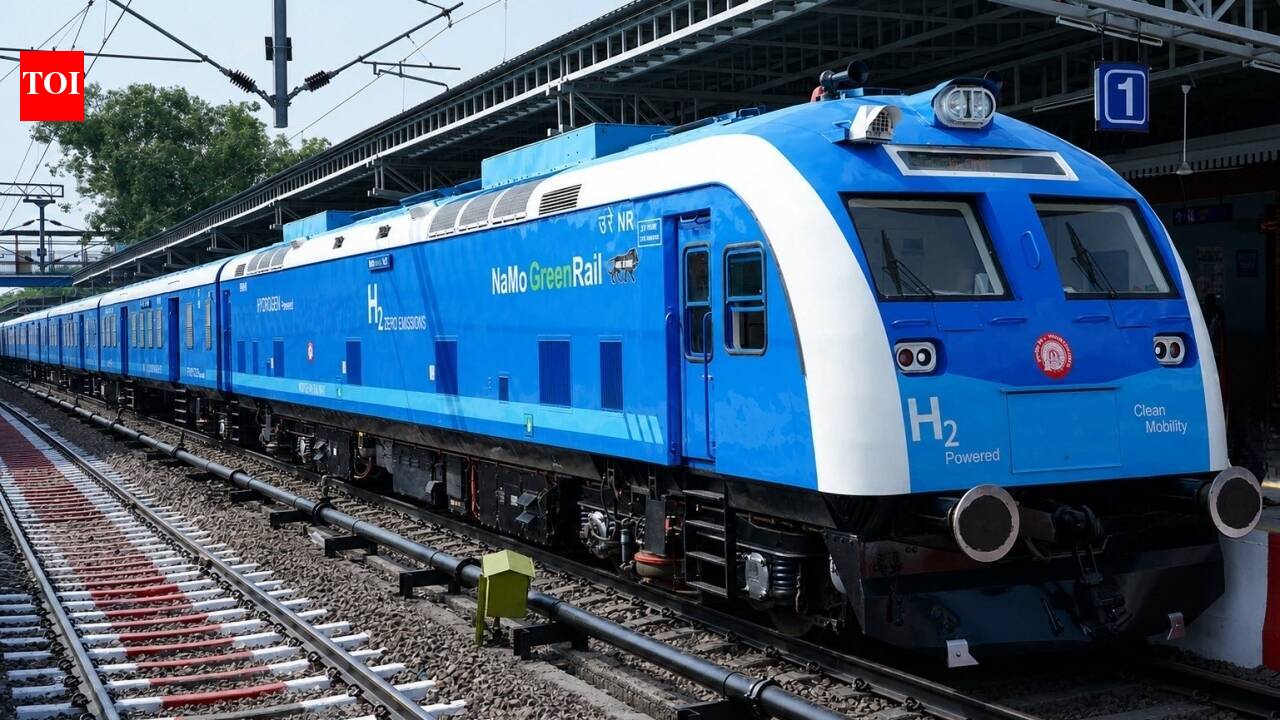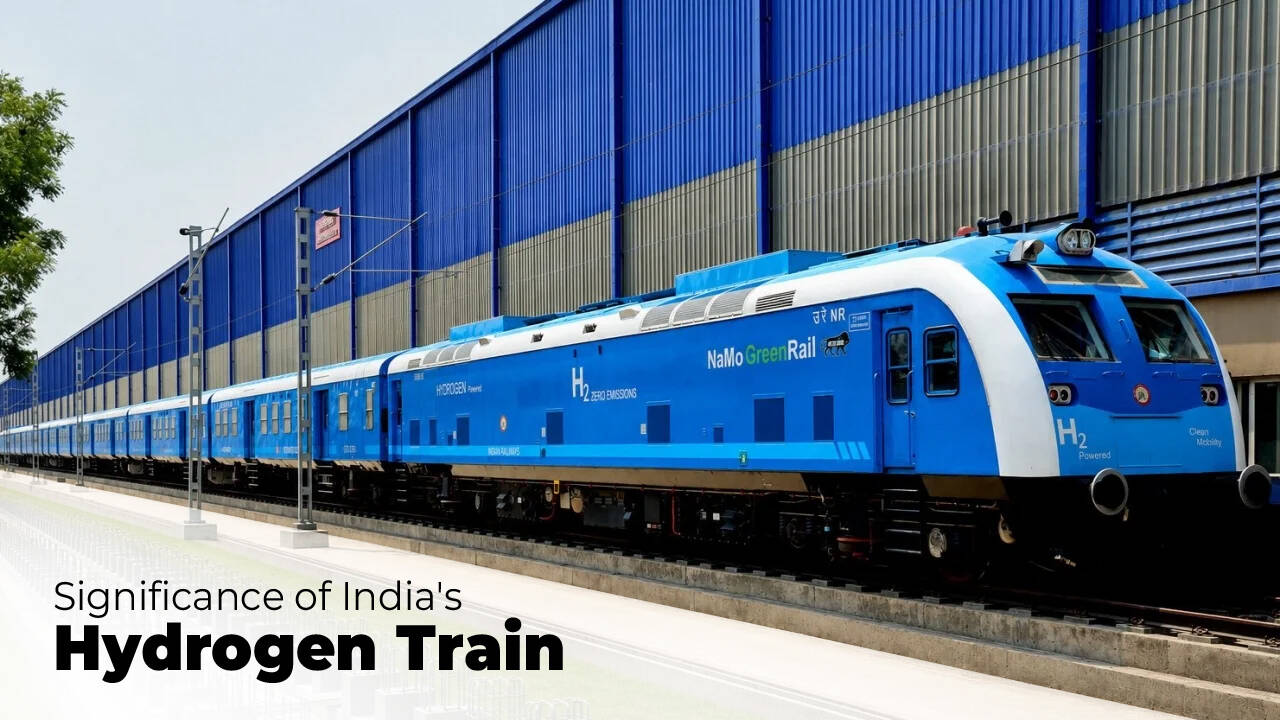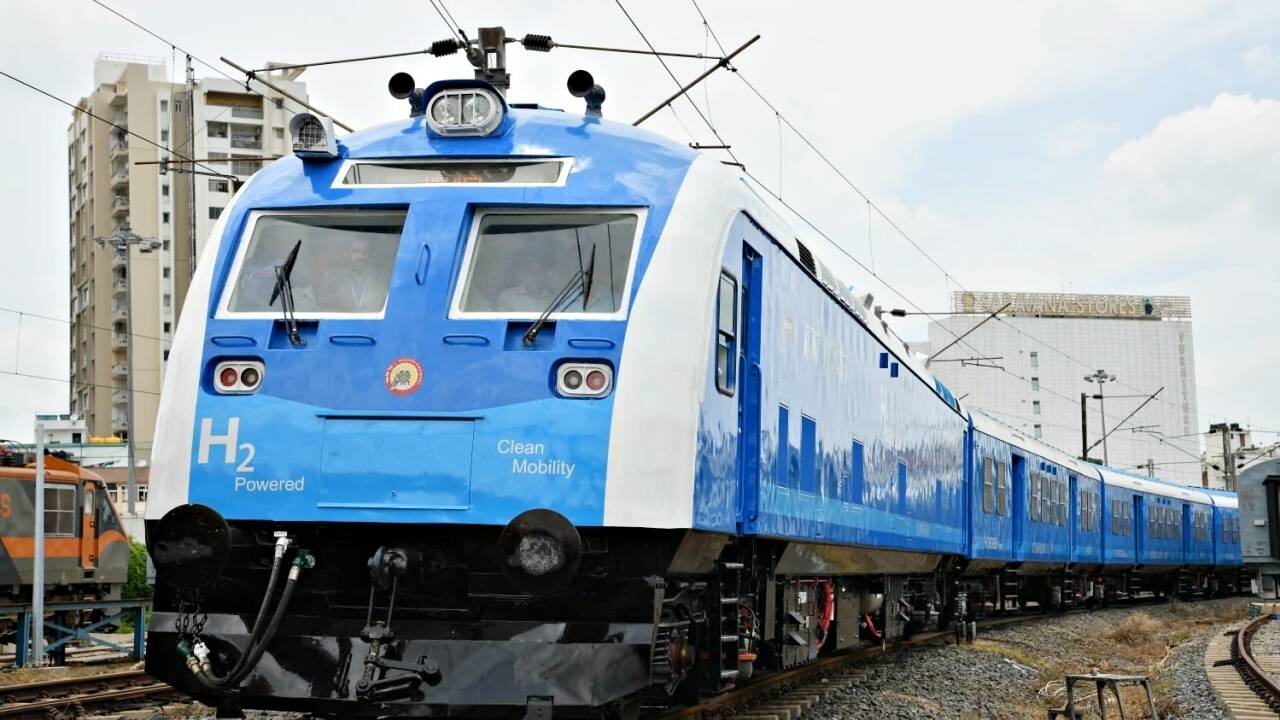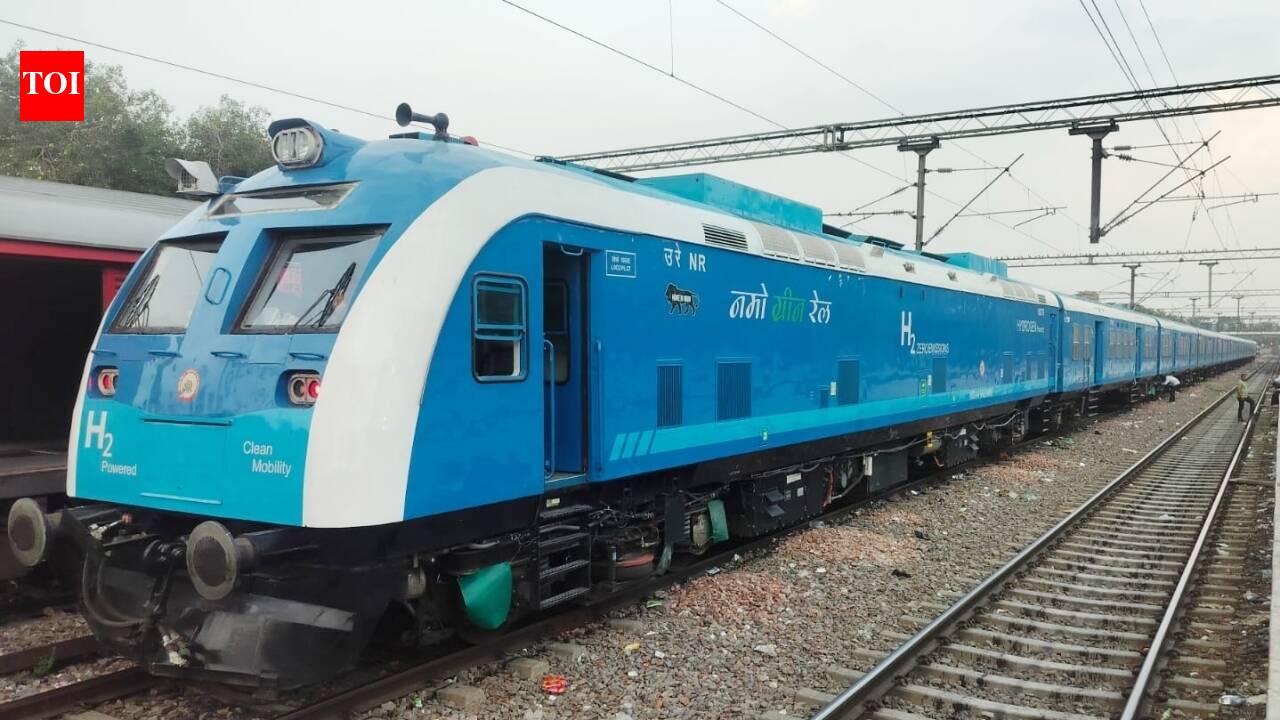
Indian Railways has formally notified the country’s first hydrogen-powered train, a 10-coach hydrogen fuel cell trainset that will operate on the dedicated Jind-Sonipat section under Northern Railway, according to a report by Business Today. The train is expected to be flagged off by Prime Minister Narendra Modi on July 17, alongside a series of other infrastructure projects across Haryana, state minister Krishan Kumar Bedi confirmed on Thursday.
Operational context and technology
The move underscores Indian Railways’ wider focus on technological innovation, improved energy efficiency and environmentally sustainable transportation, while supporting India’s national objectives on clean energy and achieving net-zero carbon emissions, the government said in a statement. The train has been fully designed and developed in India on a Broad Gauge platform and is currently the world’s longest hydrogen-powered train with 10 coaches.
Key specifications of the trainset include:
| Parameter | Detail |
|---|---|
| Number of coaches | 10 |
| Maximum operating speed | 75 km/h |
| Propulsion system | 1,200 KW hydrogen fuel cell |
| Route | Jind-Sonipat section, Haryana |
| Launch date | July 17 (flag-off by PM Modi) |
| Developer | Indian Railways (indigenous design) |
Refuelling and safety infrastructure
To support operations, an indigenous hydrogen storage and refuelling facility has been established at Jind. The Petroleum and Explosives Safety Organisation (PESO) has issued the necessary licence for the storage and dispensing of compressed hydrogen gas at the facility. The refuelling infrastructure includes:
- A hydrogen compression system
- Essential technical support and critical spare components
- A standby compressor unit
Safety measures involve the installation of:
- Hydrogen leak detectors
- Flame detectors
- Other monitoring sensors across the hydrogen production, storage and dispensing facility
These systems will undergo regular inspection and cleaning to prevent dust accumulation and maintain safe operations, according to Business Today.
Implications for logistics and rail operations
While the initial deployment is for passenger service, the development signals a significant step in India’s adoption of hydrogen traction technology. The refuelling and storage infrastructure at Jind could serve as a template for future freight corridors if Indian Railways extends hydrogen fuel cell technology to freight locomotives. With this initiative, India joins a select group of countries — including Germany, Japan, China and the United States — that are pursuing hydrogen-based rail transportation.
Hydrogen fuel cell technology produces electricity through a chemical reaction involving hydrogen, with water vapour as the only by-product, making it a cleaner alternative to conventional traction systems that rely on fossil fuels.
Watch list
- Expansion of hydrogen refuelling network to major freight corridors
- Indian Railways’ future hydrogen locomotive tenders for freight operations
- PESO licensing updates for large-scale hydrogen storage at rail terminals
- Potential pilot projects on containerised freight routes (e.g., Dedicated Freight Corridors)
- International collaborations for hydrogen rail technology transfer
Sources: