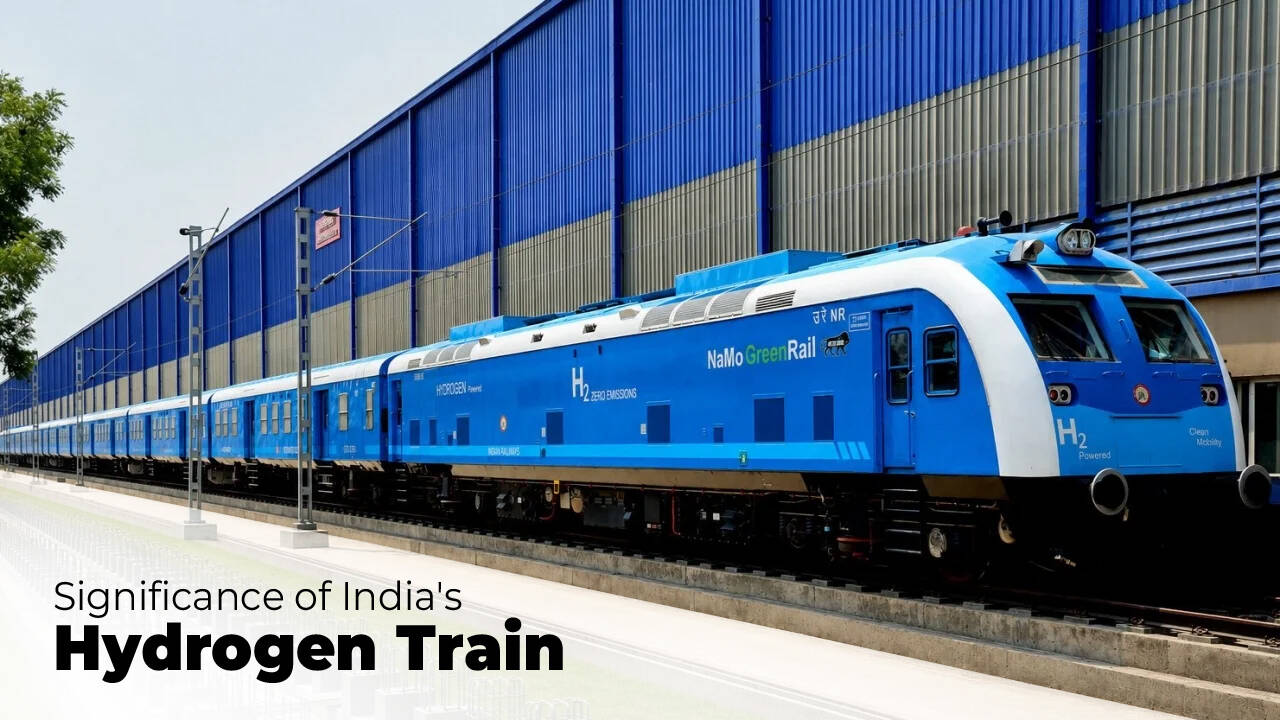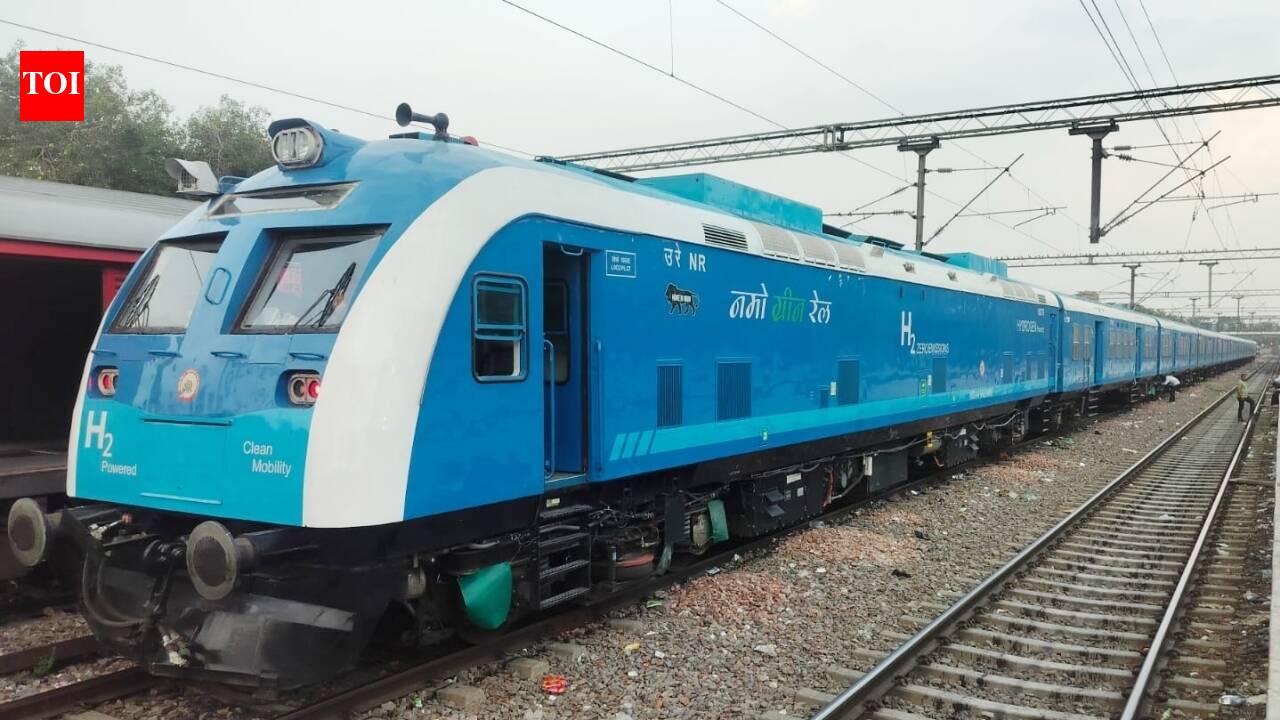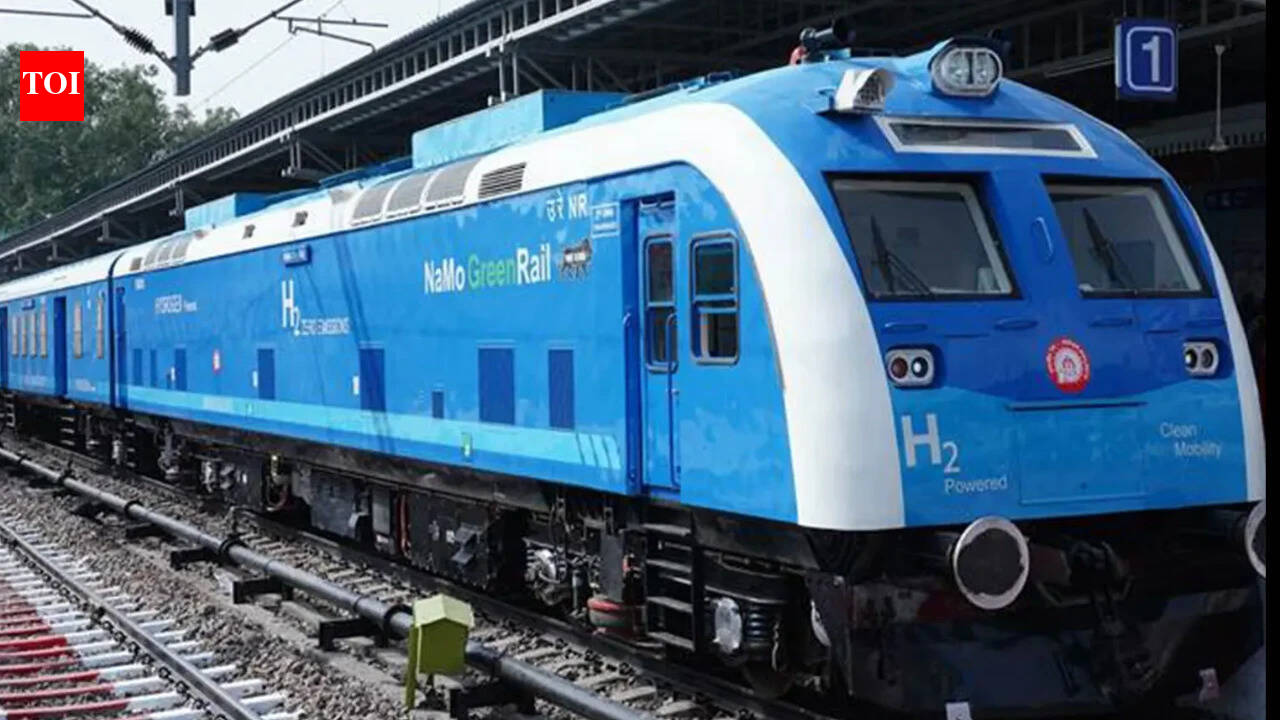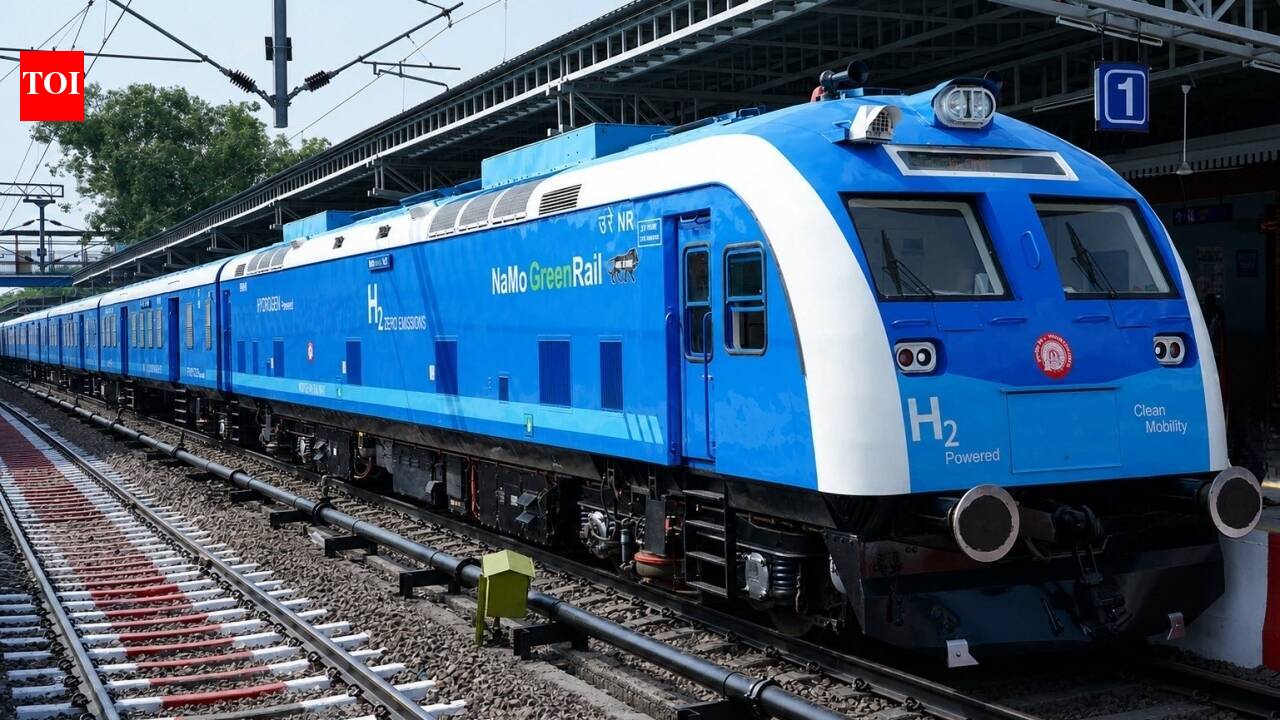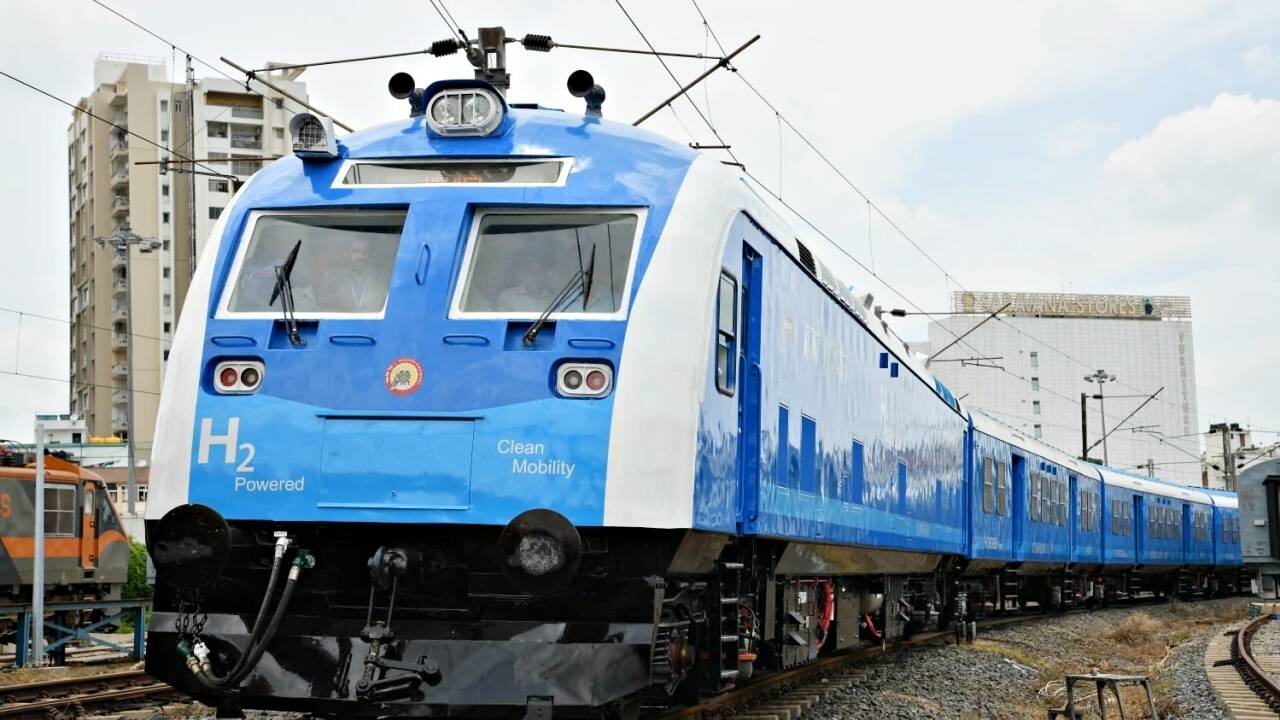
India's first hydrogen-powered train entered service on Friday, flagged off by Prime Minister Narendra Modi at Jind railway station in Haryana, marking the country's entry into a select group of nations operating hydrogen rail technology. For logistics operators, this passenger pilot may signal future applications for freight locomotion on routes where full electrification remains impractical.
The launch is part of a larger plan to shift towards greener mobility options, with hydrogen considered the greenest fuel, according to Business Today. Indian Railways has substantially reduced its dependence on imported diesel through rapid electrification over the last 12 years, with more than 99% of the broad gauge network now electrified. The hydrogen fuel cell train generates its own electricity onboard rather than drawing power from overhead electric lines, making it a viable alternative for remote and heritage routes where electrification is not feasible.
Route and Operations
The hydrogen train will run between Jind and Sonipat in Haryana, taking over two hours to complete the journey. The service details are as follows:
| Direction | Train Number | Departure | Arrival | Duration | Stoppages |
|---|---|---|---|---|---|
| Jind to Sonipat | 74010 | 7:40 AM | 9:40 AM | 2 hours | Jind City, Pandu Pindara, Lalit Khera, Bhambeva, Ishapur Kheri, Butana, Khandrai, Gohana, Rabhra, Lath, Mohana Haryana, Barwasni |
| Sonipat to Jind | 74009 | 10:40 AM | 1:00 PM | 2 hours 20 min | (same stations in reverse order) |
The train will operate under Northern Railways, with primary maintenance at Jind.
Technical Specifications
Key features of the train, as reported by Business Today:
- 10-coach passenger train – according to Indian Railways, globally most operational or under-testing hydrogen trains have 2-3 passenger coaches, making India's first hydrogen train the longest of its type in the world.
- Design speed of 110 kmph, allowed to operate at a maximum speed of 75 kmph on the Jind-Sonipat section.
- Capacity to carry 2,600 passengers.
- 3,200 horsepower propulsion system, one of the most powerful hydrogen trainsets in operation.
- Designed, engineered, and integrated entirely in India using indigenous technology.
How the Hydrogen Train Operates
The train uses Proton Exchange Membrane (PEM) fuel cell technology. Hydrogen stored in cylinders on the train reacts with oxygen drawn from the surrounding air inside the fuel cell to generate electricity. The only by-product is water vapour, making it a clean alternative to conventional diesel locomotives, which rely on combustion to produce mechanical energy.
Implications for Logistics
For the logistics and freight sector, this pilot project demonstrates a potential pathway for decarbonising rail transport on feeder routes to major freight corridors. Indian Railways' >99% electrification means the hydrogen train is primarily targeted at segments where overhead wires are not economical or feasible – such as remote branch lines and heritage routes. Freight forwarders and 3PL operators may watch for scaling of this technology for container and bulk cargo movement on such sections, though the current train is passenger-only. The successful operation of a 10-coach hydrogen trainset – the world's longest – suggests higher power and range capabilities that could be adapted for freight haulage in the future.
Watch List
- Expansion of hydrogen refuelling infrastructure at Jind and potential other locations.
- Performance data from the Jind-Sonipat pilot – reliability, fuel consumption, maintenance costs.
- Global developments: Germany, Japan, China, and the US are among countries commercially running or testing hydrogen train technology.
- Plans for hydrogen train introduction on freight routes or for locomotive applications by Indian Railways.
- Cost comparison with diesel and electric traction on non-electrified sections.
Sources: