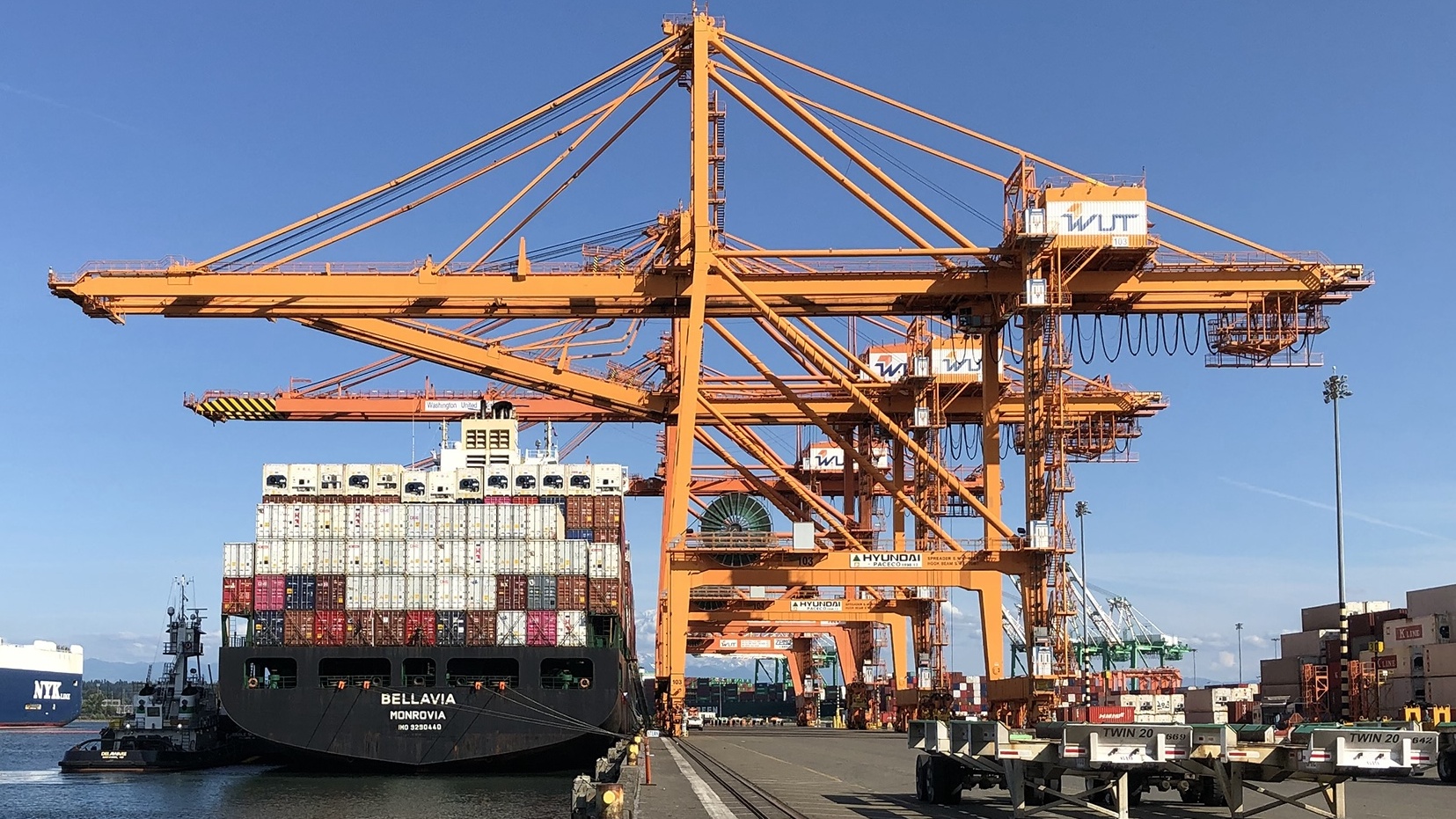
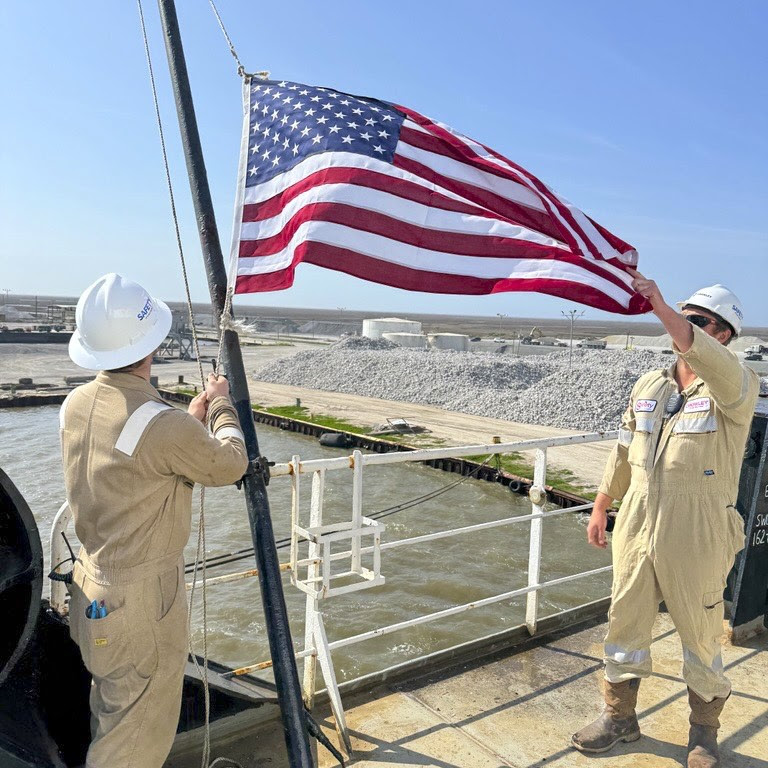
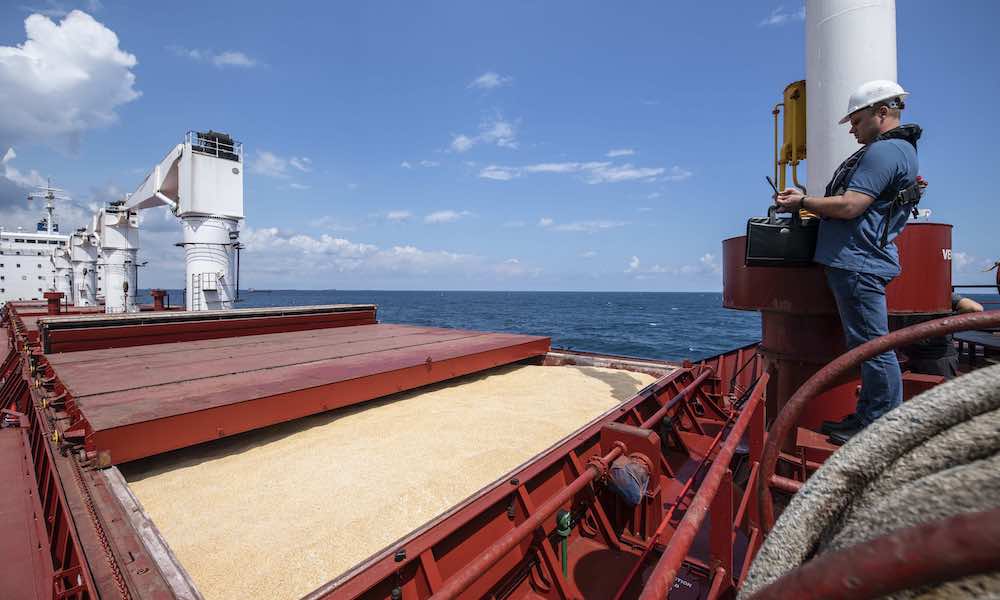
The U.S. Department of Transportation’s Maritime Administration (Marad) is set to sign the first-ever agreement with the Port of Long Beach to test small modular reactors (SMRs) for commercial vessels and other potential uses at the port, according to a FreightWaves report. This marks a significant step toward integrating nuclear power into maritime operations at the busiest container port in the United States.
Why This Matters for Logistics
The Port of Long Beach handles more container volume than any other U.S. port. Testing SMRs there could eventually transform how port equipment and oceangoing vessels are powered. If successful, the technology would offer a zero-emission energy source for ship propulsion and port-side electricity generation, reducing reliance on diesel and meeting stricter emissions regulations. However, the timeline for commercial deployment remains long, and regulatory hurdles are significant.
The Marad Agreement
A formal announcement is scheduled for Wednesday morning at DOT headquarters in Washington, D.C. Details of the agreement have not been disclosed, but Marad confirmed in a release that testing will extend to power generation at Long Beach. The agreement is the first of its kind, signaling federal interest in nuclear energy for maritime use.
Bluecore Energy’s Role
Separately, Bluecore Energy — a startup headquartered at the Port of Long Beach — announced it has raised $10 million to develop floating, barge-mounted SMRs to power ports and eventually cargo ships. Long Beach Mayor Rex Richardson has endorsed the project. Bluecore has already delivered its initial barge and test reactor and is currently refining components while navigating engineering, regulatory, and classification processes. The company has little presence on social media but is moving forward with concrete assets.
Operational Implications
| Aspect | Impact |
|---|---|
| Port Power | SMRs could replace diesel generators for cranes, reefers, and terminal equipment. |
| Ship Propulsion | Nuclear-powered vessels would eliminate bunker fuel costs and emissions for deep-sea trades. |
| Regulatory Pathway | Testing at Long Beach may set precedents for U.S. Coast Guard and international approvals. |
| Private Investment | Bluecore’s $10M funding shows investor confidence despite technical and safety challenges. |
For freight forwarders and ocean carriers, the development could eventually lower fuel surcharges and carbon compliance costs, but near-term operational changes are unlikely. Port authorities and terminal operators should monitor the testing phase closely, as any successful deployment would require infrastructure modifications for refueling and safety zones.
Watch List
- Regulatory progress: Classification society approvals and U.S. Coast Guard safety reviews for barge-mounted SMRs.
- Bluecore Energy milestones: Completion of component refinement and next testing phases.
- Marad’s announcement: Full details of the agreement scope and timeline.
- Port of Long Beach infrastructure: Any planned upgrades to accommodate nuclear power sources.
Sources: