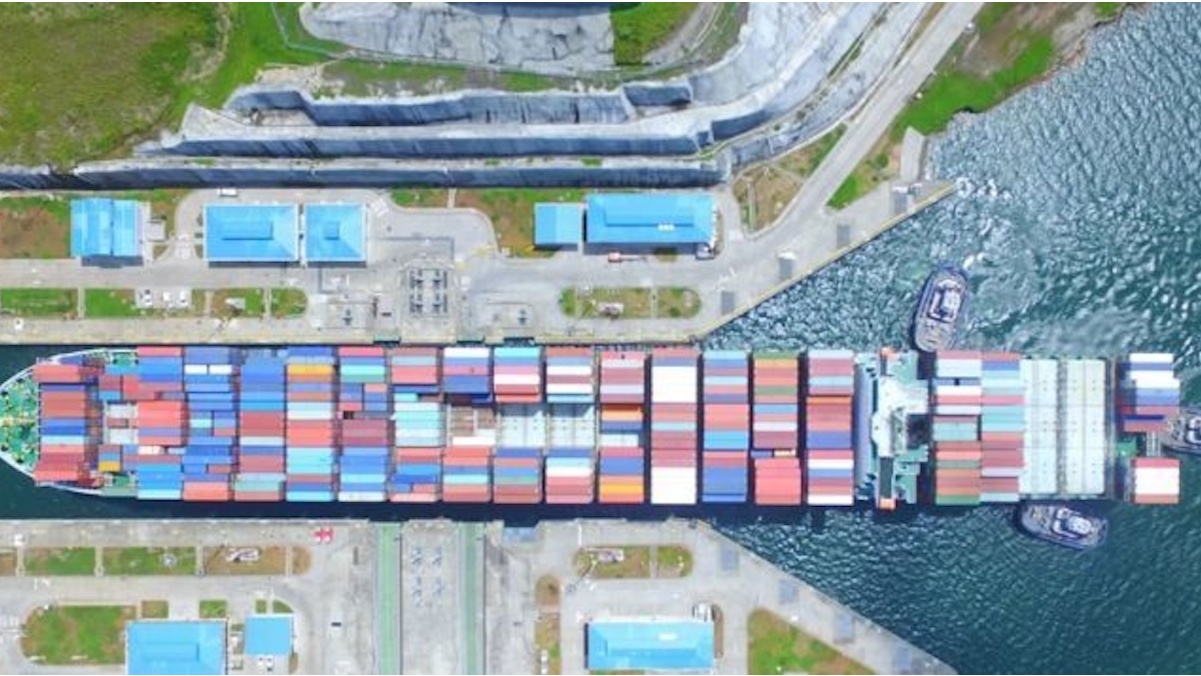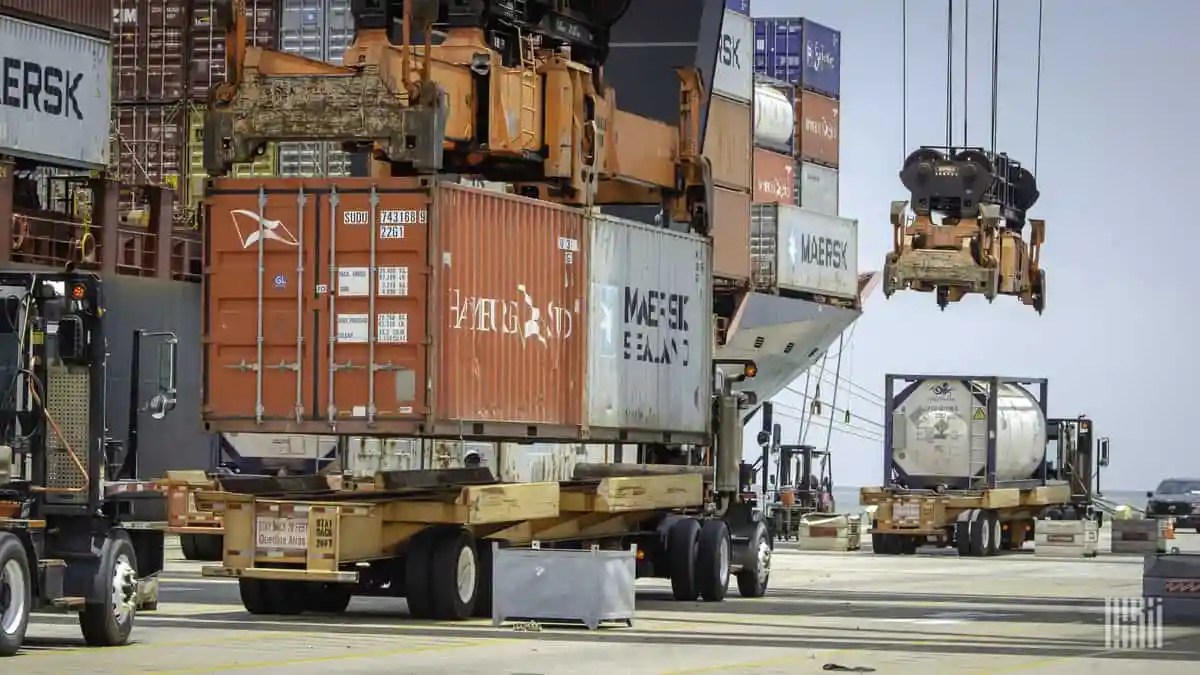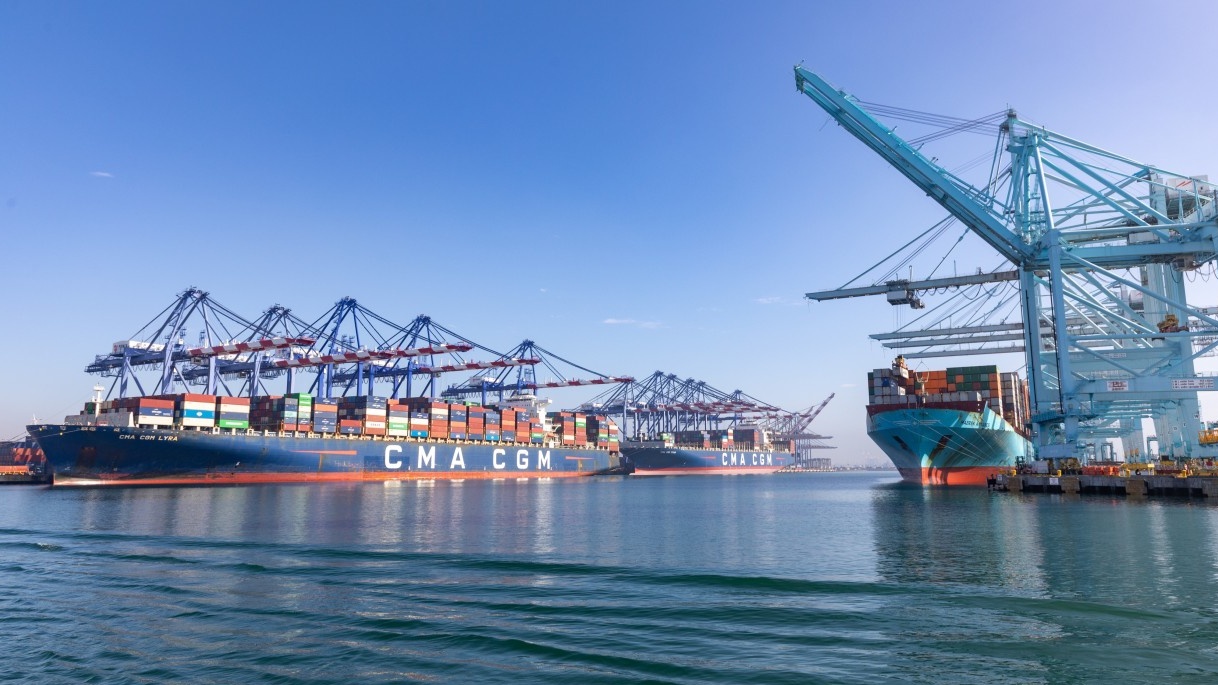
The Port of Los Angeles processed over 1 million twenty-foot equivalent units (TEU) in June 2026, marking the best June in the port’s 118-year history and the third time a Western Hemisphere port has crossed the million-TEU threshold, according to FreightWaves. This historic milestone, driven by a 13% year-over-year surge in imports, signals that shippers are actively front-loading cargo ahead of a major tariff regime change scheduled for July 24.
Executive Director Gene Seroka reported in a media briefing that import volume reached 530,000 TEU in June, approximately 13% higher than a year ago and 18% above the five-year average, making it the third highest import month on record. Exports remained essentially flat at 126,000 TEU compared with June 2025, reflecting ongoing headwinds for U.S. agricultural and business exports. Empty containers totaled approximately 345,000 units, up 17% year over year, as equipment flows back to Asia to support continued import demand.
| Metric | June 2026 | Change vs June 2025 | Change vs 5-year avg |
|---|---|---|---|
| Total TEU | 1,001,000 (approx) | Best June ever | – |
| Imports (TEU) | 530,000 | +13% | +18% |
| Exports (TEU) | 126,000 | Flat | – |
| Empty containers (TEU) | 345,000 | +17% | – |
At the halfway mark of 2026, the port has moved 5.1 million TEU, about 3% ahead of 2024’s pace and 4% above the five-year average. The fiscal year closed with 10.4 million TEU, placing it among the best fiscal years in port history.
Changing shipping patterns
“Importers aren’t simply moving more cargo – they’re moving it differently,” Seroka said. “Many companies have stepped away from traditional seasonal shipping patterns, advancing cargo whenever they see an opening rather than waiting for perfect conditions. Retailers are making strategic decisions about when and how much to ship, balancing back-to-school and holiday demand against tariffs, rising fuel costs, and global uncertainty.”
Impending tariff rolloffs and policy shifts
On July 24, the Section 122 temporary tariffs announced in February will expire, ushering in a new tariff regime with significant implications for importers, according to Seroka. The outgoing tariffs will be replaced by Section 301 tariffs in two tranches. The first tranche imposes a flat tariff of 10% to 12.5%, ostensibly targeting countries not complying with forced labor provisions. This represents a continuation of the existing tariff structure without dramatic changes, Seroka said.
Importantly, the same date brings the elimination of de minimis provisions in the U.S. tariff code. Small packages will now go through a special tariff process, creating new compliance requirements for importers who previously relied on easy shipment of lower-valued items by mail.
“This change particularly affects small retailers and family-owned businesses that have relied on platforms like JD, Shein, and Alibaba, as well as consolidators bringing in smaller parcels,” Seroka said. “Beyond paying the import surcharge, these businesses face bureaucratic compliance burdens in shipping forms and documentation that will create friction until the new system is understood.”
A second tranche of Section 301 tariffs targeting “excess capacity” and alleged dumping remains uncertain. Unlike the flat forced-labor tariffs, these could replicate what was seen on “Liberation Day” in April 2025 – high rates with significant variance across countries, potentially causing large-scale supply chain reshuffling, Seroka said. Questions remain about whether these tariffs represent initial bargaining positions or long-term policy, and whether rates will change month to month or remain fixed.
Operational implications for shippers and forwarders
For logistics operators and freight forwarders, the June record reinforces the trend of year-round cargo movement rather than seasonal peaks. With the July 24 tariff deadline approaching, shippers should prepare for customs compliance changes, particularly for small packages that previously used de minimis. The possible second tranche of Section 301 tariffs adds further uncertainty; companies with supply chains reliant on countries potentially targeted by high rates should assess alternative sourcing options now.
Watch list
- July 24: Expiration of Section 122 tariffs, effective date of Section 301 first tranche, and elimination of de minimis.
- Timing and details of Section 301 second tranche on “excess capacity” – could cause major lane shifts if high rates are imposed.
- Port of Los Angeles throughput for July and August to gauge whether front-loading continued or if volumes recede post-tariff change.
Sources: