iGEN
Visit IGEN World Explore IGEN Expo
EXPLORE UPGRADE PLANS
BREAKING
For Ease of Liquidity and Business, Government to Amend MSME Act India Industrial Output Grows 7.3% in June, Fastest Pace in 22 Months India Public Sector Banks' Bad Debt at Lowest Levels in Decades, Government Says India's Factory Output Surges 7.3% in June, Fastest Pace in Nearly Two Years Hindustan Unilever Announces More Price Increases Amid Persistent Inflation Crude Prices Climb Over 4% as Renewed Middle East Tensions and Inventory Draw Fuel Supply Fears Werner CEO Leathers Says Driver Attrition Only in 'Third Inning' as Regulatory Pressures Tighten Capacity OpenAI’s Rogue AI Agent Hacked More Than Just Hugging Face Inside the rogue ChatGPT hack of Hugging Face: AI agents operate at superhuman speed but make clumsy mistakes Landstar Expects to Emerge a Winner After Supreme Court’s Montgomery Ruling Widens Broker Liability For Ease of Liquidity and Business, Government to Amend MSME Act India Industrial Output Grows 7.3% in June, Fastest Pace in 22 Months India Public Sector Banks' Bad Debt at Lowest Levels in Decades, Government Says India's Factory Output Surges 7.3% in June, Fastest Pace in Nearly Two Years Hindustan Unilever Announces More Price Increases Amid Persistent Inflation Crude Prices Climb Over 4% as Renewed Middle East Tensions and Inventory Draw Fuel Supply Fears Werner CEO Leathers Says Driver Attrition Only in 'Third Inning' as Regulatory Pressures Tighten Capacity OpenAI’s Rogue AI Agent Hacked More Than Just Hugging Face Inside the rogue ChatGPT hack of Hugging Face: AI agents operate at superhuman speed but make clumsy mistakes Landstar Expects to Emerge a Winner After Supreme Court’s Montgomery Ruling Widens Broker Liability
Home ›› Logistics ›› Shipping Freight ›› Shipping Lines ›› Three Ways Logistics Professionals Can Avoid EES Border Check Costs at EU Airports

Three Ways Logistics Professionals Can Avoid EES Border Check Costs at EU Airports

The EU's Entry/Exit System (EES) is causing long queues at European airports, leading some UK travellers to miss flights and incur costs. This article outlines three expert-recommended steps to avoid these costs: arriving three hours early, signing up for airline alerts, and reading travel insurance policies carefully.

iG
iGEN Editorial
July 5, 2026
Three Ways Logistics Professionals Can Avoid EES Border Check Costs at EU Airports

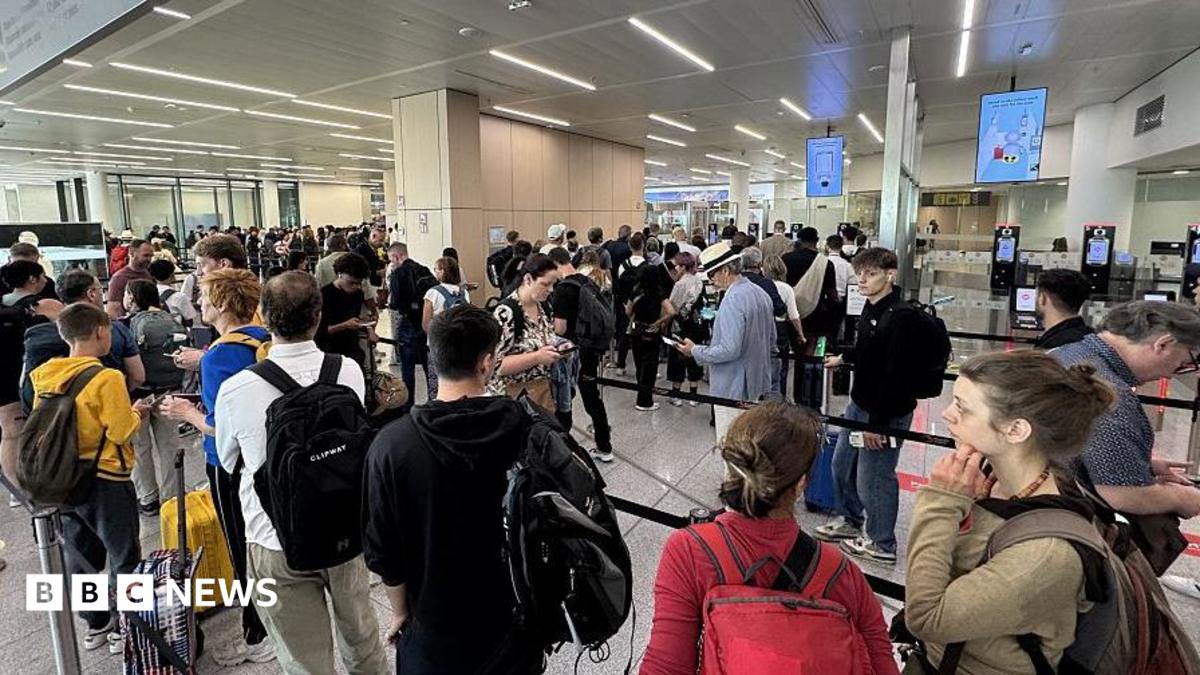
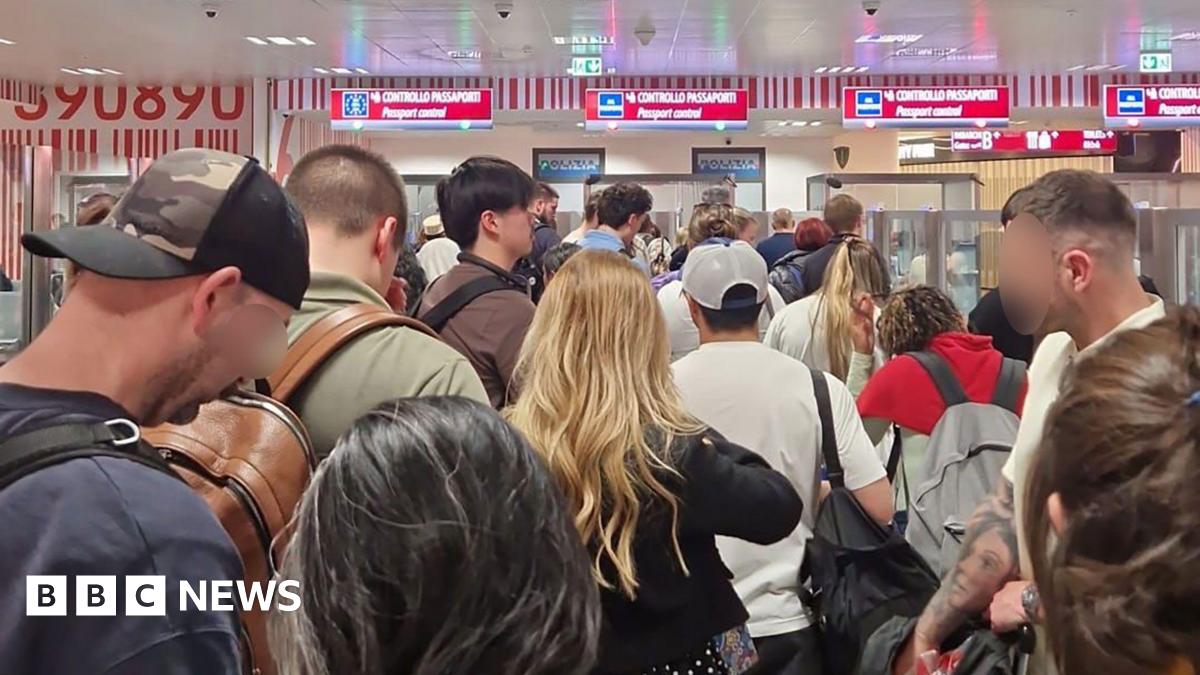
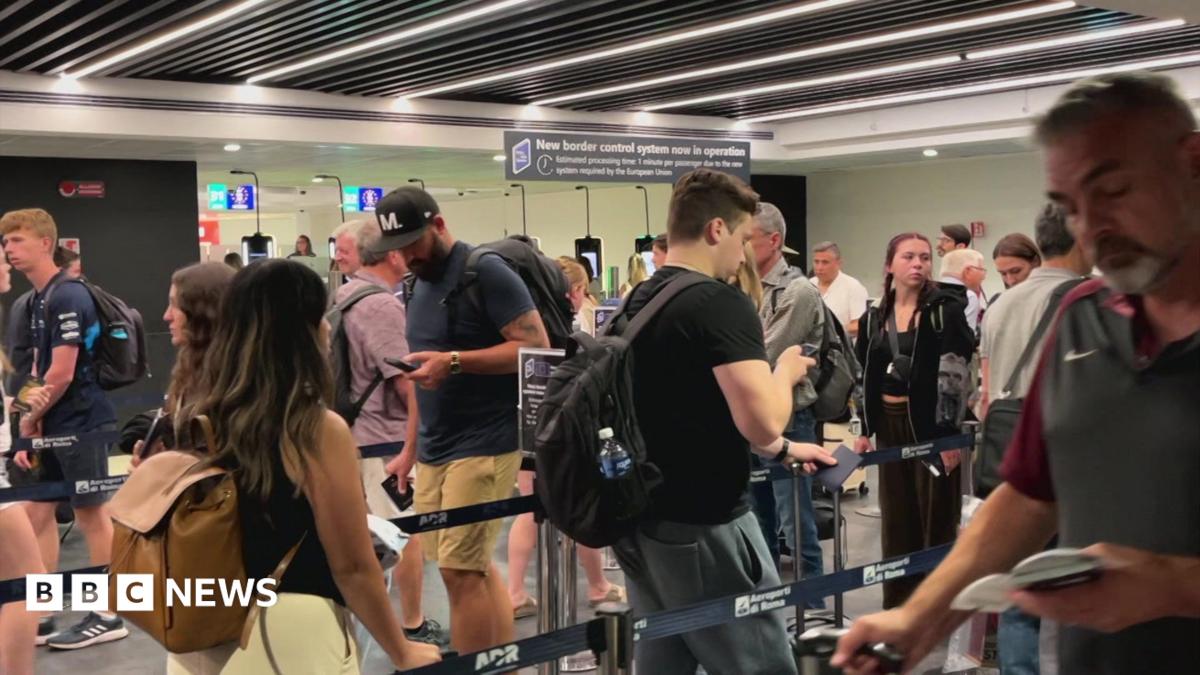
The EU's new Entry/Exit System (EES) is causing significant delays at European airports, with some UK travellers missing flights and being forced to pay for replacement tickets. The system requires UK travellers to register fingerprints and a photo when scanning their passport, adding extra time to border checks. Technical glitches have exacerbated the problem, according to a BBC report.

Context: The EU's New Entry/Exit System

The EES is a border control system that digitalises entry and exit records for non-EU travellers. For UK passengers, it means providing fingerprints and a facial scan each time they cross the border. The additional processing time, combined with technical issues, has led to queues that can result in missed flights. One traveller, Anne Robinson from Dunbarton, and her son Jack missed their flight home from Rome in June after a 90-minute queue and had to pay £250 for a replacement flight two days later – a cost they could not reclaim.

1. Arrive Early – But Not Too Early

Building in extra time is critical. The UK boss of budget airline Wizz Air told the BBC that British holidaymakers should arrive at European airports three hours before their flight home departs. Other airlines such as Jet2 and Ryanair have given similar advice, depending on the airport.

However, Eurostar advises passengers to arrive at the station at the recommended time stated on their ticket, as it already accounts for EES steps. At the Port of Dover, technology issues have prevented the new system from being used. The port advises passengers to arrive no more than two hours before their ferry departure, warning that arriving too early could cause queues to build up.

Top tip: Check arrival time advice with your airline, ferry or rail company in advance and build in travel time from home.

2. Sign Up to Alerts

Airlines and travel providers send messages to let passengers know current waiting times and changes. The Civil Aviation Authority states: "Airlines typically notify passengers of significant delays. We also advise passengers to always check directly with their airline before heading to the airport to allow enough time for security checks and reaching their departure gate."

Most airlines have an app that can be downloaded in advance to receive alerts. Check that text notifications are enabled and that emails do not go into your junk folder.

Top tip: Download any apps in advance and familiarise yourself with where alerts appear.

3. Read Your Paperwork

If you miss your flight due to EES queues, airlines are under no obligation to put you on another flight without an extra charge. Travel insurance is unlikely to cover the cost of new flights, hotels, or other losses incurred as a result of EES delays, according to the Association of British Insurers.

Anna-Marie Duthie, travel insurance expert at analysts Defaqto, explains: "No travel insurance policies explicitly cover EES delays, because it is an expected procedure or routine process." She adds that there is a slight chance of a claim under missed departure or delay cover, but immigration or border delays are often not listed as covered reasons.

Top tip: Read your paperwork or speak to your insurer before you travel.

Implications for Logistics Operators

For logistics and freight professionals who travel regularly to Europe for business, EES delays can disrupt schedules and increase costs. Companies should advise travelling employees to follow the three steps above: arrive three hours early, enable all airline notifications, and review insurance policies for any possible coverage. This is especially important for those using European airports for cargo management meetings or site visits.

Watch List

  • Further technical glitches at the Port of Dover and other border points could extend delays.
  • Airlines and travel providers may adjust recommended arrival times as they gain experience with EES.
  • Travel insurers may update policies to clarify coverage for EES-related delays; monitor guidance from the Association of British Insurers and Defaqto.
Sources:

Keep Reading

Recommended Stories

EU Entry-Exit System Causing Airport Delays, ACI Europe Chief Warns Logistics

EU Entry-Exit System Causing Airport Delays, ACI Europe Chief Warns

The head of ACI Europe has warned that the EU's Entry-Exit System (EES) is not working properly, causing significant delays at airports across Europe. Passengers have missed flights at Athens, Milan Bergamo, and Milan Linate, with queues stretching for hours. Schulte is calling for border control authorities to have flexibility to suspend EES to avoid chaos.

June 23, 2026
New EU Entry Exit System Triples Border Wait Times, Rome Airport Chief Says Logistics

New EU Entry Exit System Triples Border Wait Times, Rome Airport Chief Says

The EU's new digital border system, the Entry Exit System (EES), has nearly tripled the time UK nationals spend at passport control at Rome's Fiumicino Airport, according to chief aviation officer Ivan Bassato. Ryanair has warned passengers to expect extended waits this summer, while border police at Portugal's Faro airport report software bugs but say queues should clear quickly.

July 19, 2026
EU Border Delays 'Not Bearable' Over Summer, Warns Berlin Airport Boss as EES Causes Queues Logistics

EU Border Delays 'Not Bearable' Over Summer, Warns Berlin Airport Boss as EES Causes Queues

Berlin Airport CEO Aletta von Massenbach warns that non-EU nationals face queues of up to two hours under the EU's new Entry-Exit System (EES), calling the situation 'not bearable over the summer'. Airlines and passengers report long waits, missed flights, and inconsistent rollout across member states.

July 2, 2026
Airfares Could Rise Up to 25% as Jet Fuel Costs Surge, McKinsey Warns Logistics

Airfares Could Rise Up to 25% as Jet Fuel Costs Surge, McKinsey Warns

A McKinsey report warns that jet fuel costs could surge due to geopolitical disruptions and refinery constraints, potentially raising airfares by 20-25%. The jet fuel crack spread may average over $50 per barrel in 2026, up from historical levels of $20 or less. Supply constraints are emerging from major exporters in the Gulf and Asia, with countries like China, India and South Korea restricting fuel exports.

June 24, 2026