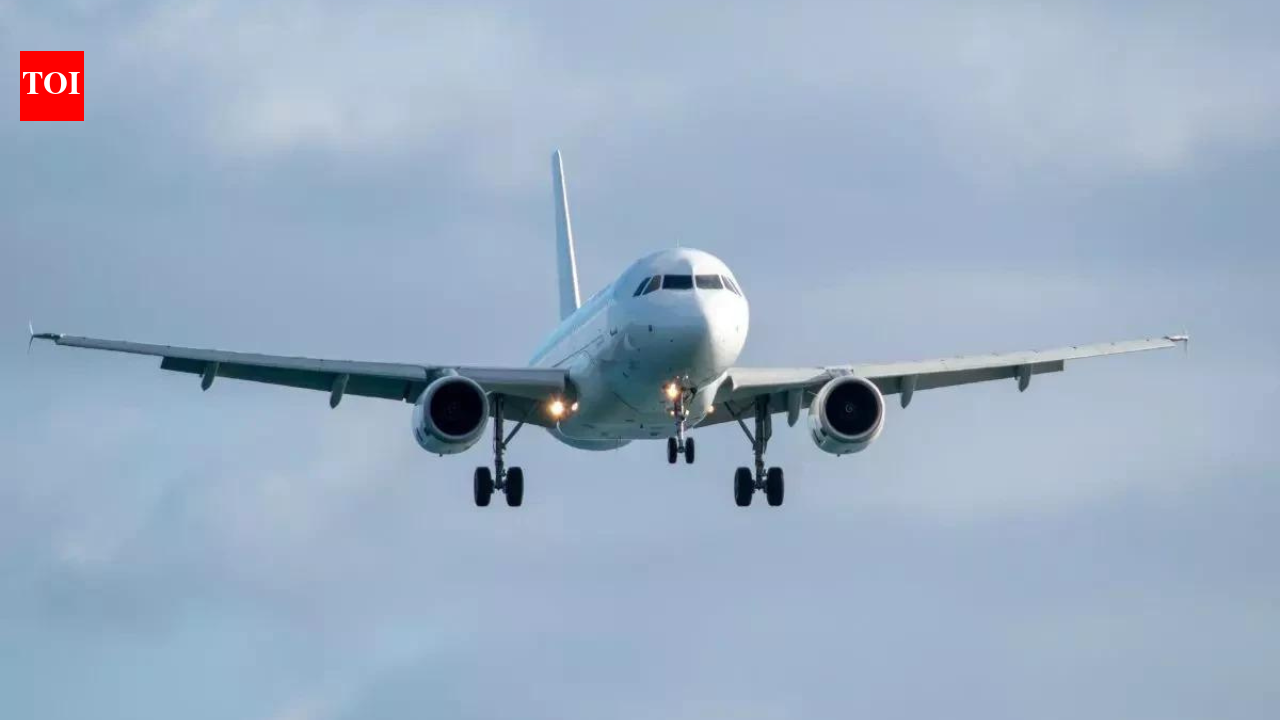
Airfares could rise by up to 25% as jet fuel costs surge due to tightening global supplies, according to a new report from McKinsey. The consultancy warned that geopolitical disruptions and refinery constraints are pressuring fuel availability, with the jet fuel crack spread – the difference between crude oil and refined product prices – potentially averaging over $50 per barrel in 2026, far above the historical norm of $20 or less.
Jet Fuel Supply Tightens Amid Geopolitical Disruptions
According to McKinsey, jet fuel demand is expected to rise ahead of the summer travel season, but inventories remain depleted and supply chains face ongoing pressure. The report noted that supply has been constrained by reduced refinery production from major jet fuel exporters in the Gulf region and Asia, which together account for about 40% of global jet fuel supply.
Countries including China, India and South Korea have moved to at least partially restrict fuel exports following recent geopolitical tensions, limiting the ability of Asian markets to fill supply gaps, the report said. Many global refineries were already operating at high utilisation rates before the conflict began, leaving little spare capacity to significantly boost output. “Existing inventories have been doing heavy lifting to bridge the supply gap,” the report stated.
Crack Spreads Soar to Record Levels
The jet fuel crack spread – a key measure of refining profitability – is reflecting the supply pressures. Historically, crack spreads have generally remained around $20 per barrel or lower. However, McKinsey said the average crack spread in 2026 could exceed $50 per barrel. Higher refining margins have encouraged refiners to increase jet fuel production, partially easing supply concerns, but the overall outlook remains volatile.
McKinsey said a rise in tanker traffic through the Strait of Hormuz could help reduce immediate pressure on fuel prices, but it warned that jet fuel prices and crack spreads are likely to remain volatile as inventories are rebuilt and supply chains normalise. Even if shipping through the Strait returns to normal levels, prices are expected to stay elevated for several months as countries seek to replenish inventories and expand strategic reserves.
Potential Impact on Airfares and Cargo Rates
Fuel typically accounts for around 30% of an airline’s operating costs, according to the report. “Given that about 30 percent of the price of an airline ticket typically goes toward fuel costs, a doubling of fuel costs (with most passed through) could lead to fare increases of roughly 20 to 25 percent,” the report said.
For air cargo operators, fuel surcharges are a standard mechanism to pass through cost increases. A sustained rise in jet fuel prices would likely trigger higher fuel surcharges on airfreight shipments, particularly on long-haul lanes such as Transpacific and Asia-Europe. Freight forwarders should prepare for potential rate adjustments from carriers, especially as summer peak season approaches.
| Metric | Historical Level | 2026 Projection |
|---|---|---|
| Jet fuel crack spread | ~$20/bbl or less | >$50/bbl average |
| Fuel cost share of airfare | ~30% | 30% (unchanged) |
| Potential fare increase | – | 20-25% (if fuel costs double) |
Watch List
- Strait of Hormuz tanker traffic: Any disruption or improvement will directly impact short-term fuel prices.
- Inventory replenishment: How quickly countries rebuild strategic reserves will determine how long elevated prices persist.
- Refinery output in Gulf and Asia: Further output cuts or export restrictions could tighten supply further.
- Summer travel demand: Stronger-than-expected passenger demand could exacerbate fuel price pressure.
Freight forwarders and logistics managers should closely monitor jet fuel price benchmarks and carrier fuel surcharge announcements. For air cargo, a sustained increase in fuel costs would likely lead to higher all-in rates, particularly on spot shipments. Contract negotiations should factor in potential fuel price volatility through indexed surcharge mechanisms.
Sources: