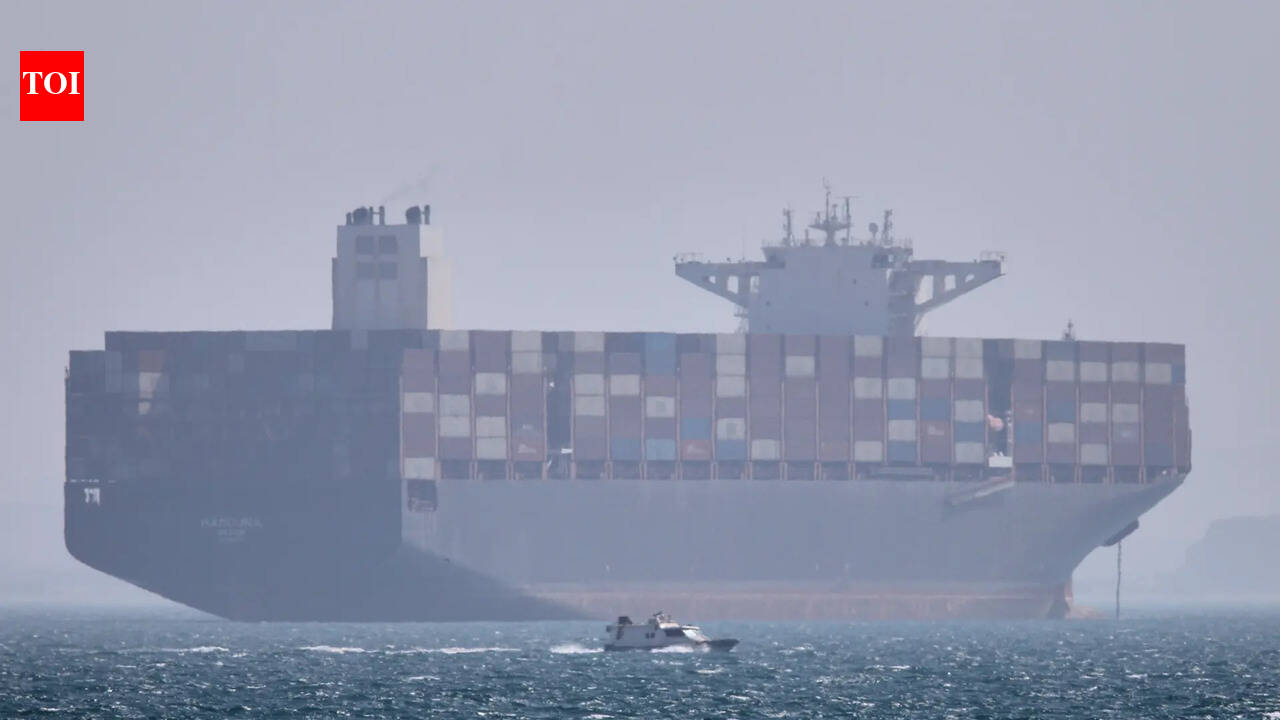
Canada's new Pacific pipeline plan will significantly boost tanker demand on the Transpacific crude lane, adding over 1 million barrels per day of loading capacity and reshaping aframax and suezmax flows out of British Columbia.
Context: Why this matters
According to Splash247, Prime Minister Mark Carney and Alberta Premier Danielle Smith unveiled the proposed route this week, saying the line would run from Bruderheim, northeast of Edmonton, to the southern British Columbia coast, broadly following the existing Trans Mountain corridor. The project is aimed at reducing Canada's dependence on the US market and giving Alberta crude greater access to Asian buyers. The project would deepen Canada's emergence as a Pacific crude exporter and create another long-haul aframax and potentially suezmax trade into Asia, depending on terminal configuration, parcel size and buyer demand.
Trade lanes affected: Transpacific crude flows
Asian demand is already doing much of the pulling. Around two-thirds of all Canadian crude exports from the Trans Mountain system were destined for Asia-Pacific in the year to November 2025, with more than three-quarters of heavy crude exports from Vancouver heading to the region.
Trans Mountain expansion impact
| Metric | Before Expansion | After Expansion (May 2024) | Change |
|---|---|---|---|
| System capacity | ~300,000 bpd | 890,000 bpd | Nearly tripled |
| Western Canadian tidewater export capacity | Baseline | Increased ~700% | +700% |
| Average vessels/month from Westridge terminal | Prior data not provided | 23 vessels/month (June 2024-July 2025) | Newly established |
The Trans Mountain Expansion, which came online in May 2024, has already reshaped Canadian crude flows. Canada's energy regulator said the expansion nearly tripled Trans Mountain system capacity to 890,000 barrels per day and increased western Canadian tidewater export capacity by around 700%. An average of 23 vessels per month departed the Westridge marine terminal between June 2024 and July 2025.
Shipper and operator implications
Freight forwarders and tanker operators should prepare for increased demand on the Transpacific crude route, particularly for aframax and suezmax vessels. The new pipeline, once operational, will create a steady stream of crude from Alberta to British Columbia terminals, further boosting vessel calls at Vancouver and potentially other southern BC ports. However, the pipeline remains politically and environmentally sensitive. Carney said Canada would preserve the oil tanker ban off northern British Columbia, while the proposed southern route would keep the project within an already established energy corridor. Operators should monitor regulatory approvals and engage with local stakeholders.
Watch list
- Regulatory approval process and environmental reviews for the new pipeline
- Construction timeline and potential delays
- Oil tanker ban enforcement off northern BC and any policy shifts
- Global crude demand from Asia-Pacific and its impact on Canadian export volumes
- Trans Mountain system utilization rates and terminal throughput at Westridge
Sources: