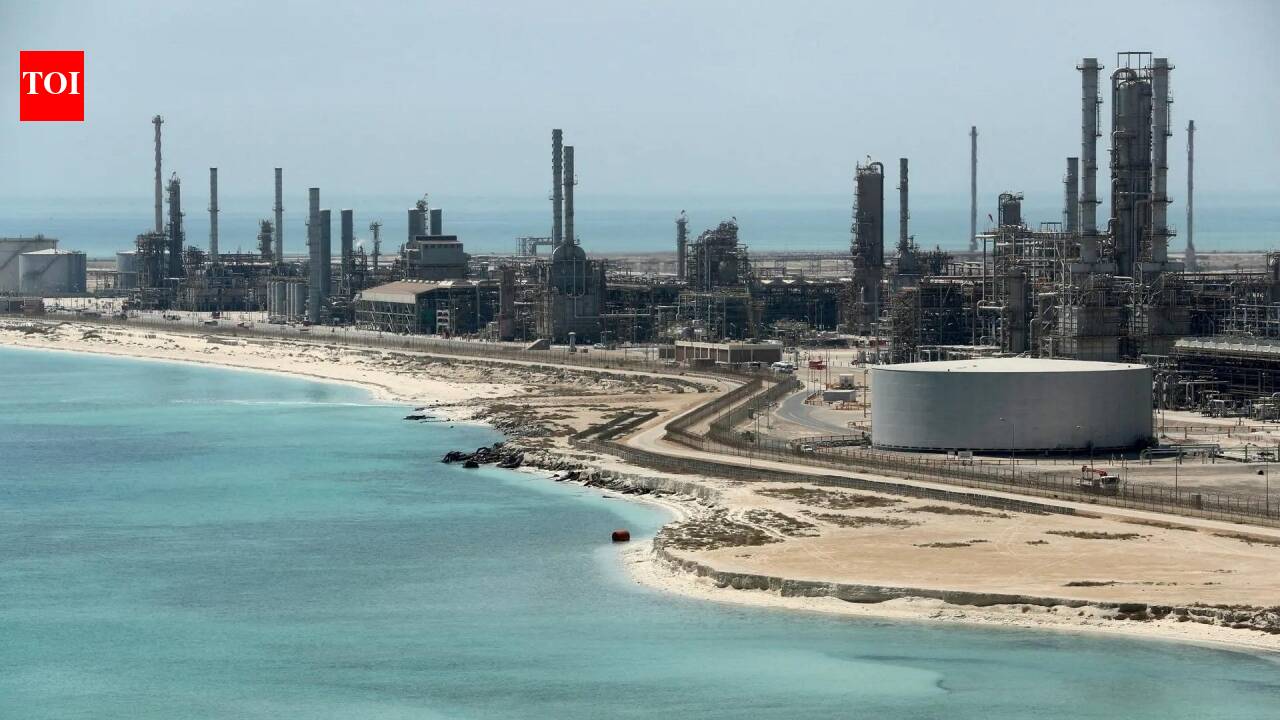
Asian refiners are pressing Saudi Aramco to shift crude collection points out of the Red Sea, with at least two buyers asking to load September contracted cargoes at Egypt's Sidi Kerir terminal on the Mediterranean instead of Yanbu, according to a Bloomberg report cited by Business Today.
Business Today reported that some Asian refiners are unwilling to pick up crude shipments from Yanbu on the Red Sea because finding vessels prepared to navigate the increasingly risky waterway has become difficult. The situation follows a series of attacks on tankers and energy infrastructure in the Red Sea region by Iran-backed Houthi militants, which have raised risks for shipowners and added another layer to the wider Middle East conflict.
Why Yanbu is now a flashpoint
Yanbu has become increasingly important to Saudi Arabia as it seeks to maintain crude shipments after the war disrupted traffic through the Strait of Hormuz and severely restricted supplies from the Persian Gulf, Business Today reported. Before the Houthi security concerns emerged, Saudi crude destined for Asia was loaded at Yanbu and generally transported through the narrow Bab el-Mandeb Strait at the southern end of the Red Sea.
The security situation has changed vessel behaviour. Two Chinese-owned tankers carrying Saudi crude sailed through Bab el-Mandeb last month with their transponders switched on, while many other vessels have been turning off their tracking signals in an attempt to remain undetected and reduce the risk of attacks, according to Business Today.
Loading-point shift: Yanbu to Sidi Kerir
According to a Bloomberg report, at least two Asian refiners have approached Aramco to ask whether their contracted crude can instead be collected from Sidi Kerir, the Egyptian port on the Mediterranean. The requests concern September cargoes covered by long-term contracts with Aramco.
Aramco has already redirected some Saudi crude cargoes to Sidi Kerir before finalising its September sales, traders told Bloomberg. For next month's allocations, Aramco asked refiners in Japan and South Korea to collect their cargoes from the Egyptian port, while refiners in China, Taiwan and India were mostly asked to take their shipments from Yanbu.
| Loading point | Location | Route to Asia | Key consequence |
|---|---|---|---|
| Yanbu | Red Sea, Saudi Arabia | Through Bab el-Mandeb Strait | Higher security risk; many vessels turning off transponders |
| Sidi Kerir | Mediterranean, Egypt | Around Africa | Longer voyage; higher freight and logistics cost |
The total quantity Aramco has allocated for September remains unclear, but traders said volumes sold to refiners outside China were generally similar to those supplied in recent months.
Cost and contract pressure on refiners
The higher cost of moving crude from Sidi Kerir to Asia via a route around Africa could lead at least one of the refiners to forgo its monthly allocation, traders told Bloomberg.
Asian refiners purchase Saudi crude through long-term contracts negotiated annually, Business Today reported. While these agreements specify the quantity to be taken over the year, buyers have some flexibility over the timing of deliveries, allowing them to reduce or even forgo a particular month's allocation when circumstances require.
Aramco lowered its main crude price for Asian buyers for September, with the revised pricing representing the deepest discount since 2020, according to Business Today. However, those prices apply to crude loaded at Ras Tanura in the Persian Gulf; refiners collecting supplies from other locations face higher final costs because of the additional logistics involved in transporting the oil farther out.
Watch list
- Whether refiners in Japan and South Korea accept Sidi Kerir liftings or reduce September allocations because of the added voyage cost.
- Whether China, Taiwan and India-based refiners continue to load at Yanbu or push for further diversions as Houthi-related security risks persist.
- Any change in vessel behaviour in Bab el-Mandeb, including transponder use and tanker availability for Red Sea loadings.
- Aramco's September pricing and allocation decisions, which affect how much crude moves from Yanbu versus Sidi Kerir and Ras Tanura.
Sources: