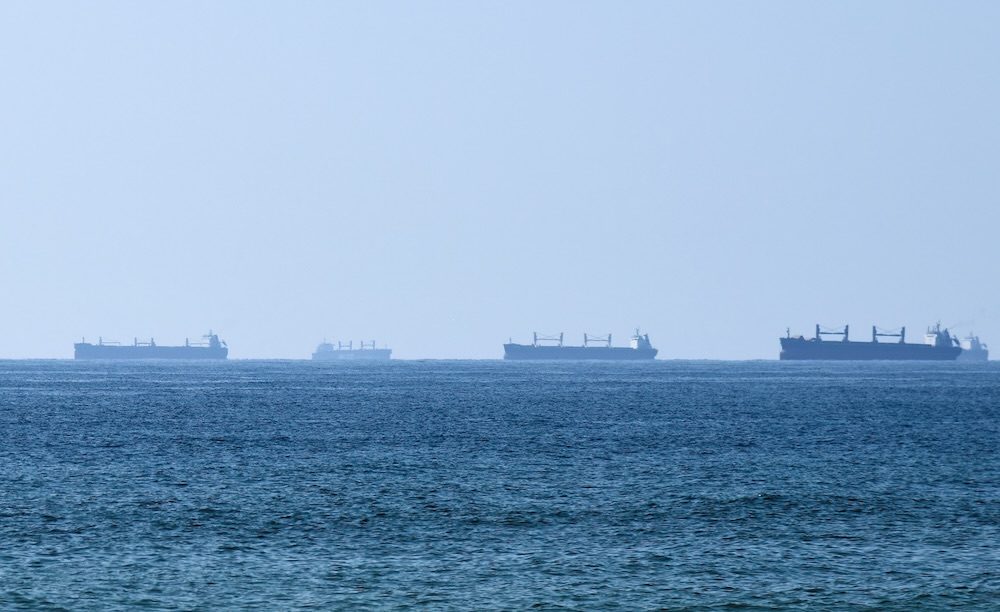
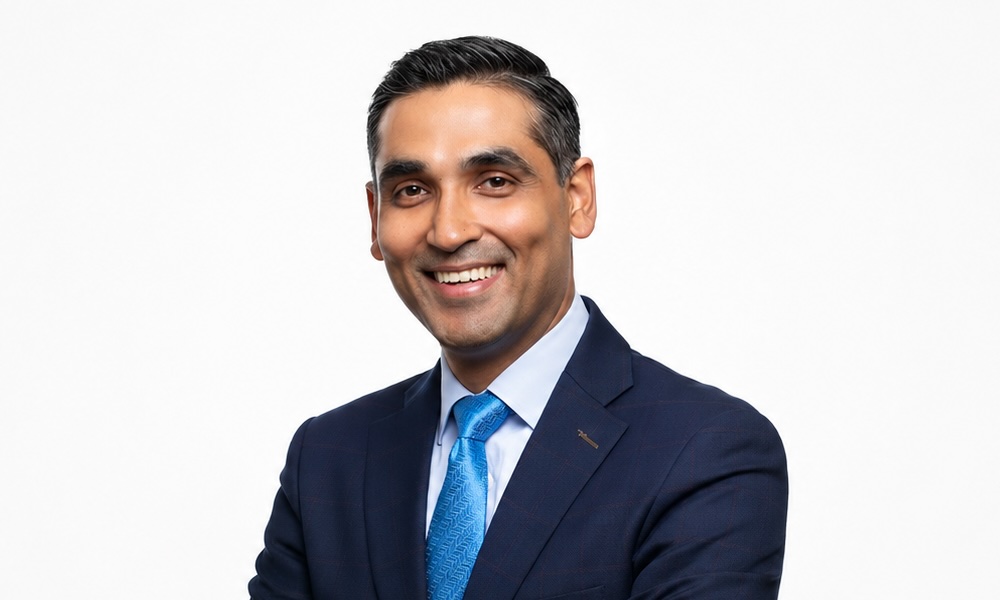
Tanker operators and shippers reliant on the Strait of Hormuz face a future where disruption becomes a recurring threat, driving volatility in charter rates, insurance premiums, and routing decisions, according to Christoph Toepfer, CEO of Borealis Maritime and founder of Borealis Tankers.
Lingering Aftereffects from Hormuz
Toepfer, who will participate in the tanker markets session at the inaugural Splash Singapore conference on September 24, told Splash247 that tensions involving the US and Iran—and their implications for safe passage through the strait—will dominate debate. "Even if the strait is safely open again by then, the risk of renewed tensions will keep strategic consideration for the reliability of gas, crude and product exports via Hormuz centre stage," he said.
The consequences extend well beyond vessel and cargo availability, Toepfer explained. Continued uncertainty will influence investment decisions across the Middle East, including spending on pipelines and new refining capacity, as well as the volume of strategic reserves held by governments and companies.
Impacts on Charter Rates, Insurance, and Rerouting
According to Toepfer, the situation has "significant influences on charter rates, insurance premiums, cargo availability, and whether rerouting via the Cape of Good Hope remains the preferred choice for many shippers." The following table summarises the key operational impacts highlighted by Toepfer:
| Impact Area | Effect |
|---|---|
| Charter rates | Volatile due to extended voyage times and risk premiums |
| Insurance premiums | Elevated for vessels transiting the strait |
| Cargo availability | Uncertain as producers and traders adjust strategies |
| Routing | Increased preference for Cape of Good Hope, adding length and cost |
The rerouting via Cape of Good Hope bypasses the Strait of Hormuz but adds significant transit time and fuel costs, straining supply chains for crude oil, LNG, and refined products.
Building Resilience: The Key Question
Toepfer stressed that the industry's focus should shift from responding to a single disruption to building lasting resilience. "A genuinely useful day for me would include some real debate on how the industry is preparing for Hormuz-related supply risk," he said in reference to the Splash Singapore conference. "That’s the conversation I’m most keen to be part of right now."
He noted that technology will be another important topic in Singapore. While progress in fuel efficiency and propulsion continues, Toepfer expects the most meaningful changes in the next 12 months to take place in shore-based vessel and logistics management. AI-driven tools will enable companies to plan cargo movements more efficiently, make better use of vessel data, and automate repetitive work across ports and logistics operations. "Predictive maintenance and voyage optimisation are two areas where I expect to see real, practical progress rather than just talk," Toepfer said.
Splash Singapore Conference Details
At Splash Singapore, Toepfer joins a tanker session moderated by Gus Majed, founder and group CEO of Paratus, alongside Andreas Michalopoulos, CEO of Performance Shipping, and Nitin Mathur, managing director for commercial shipping at Al Seer Marine. The panel will examine the supply-demand outlook for the next 12 months and the challenge of managing an ageing fleet.
The one-day event takes place at the Fairmont Hotel in Singapore on September 24. It brings together senior shipowners, shipmanagers, charterers, and technology leaders for unscripted discussion with no presentations or slides. Registration is S$750.
Watch List
- Recurring Hormuz tensions: Geopolitical developments between the US and Iran will remain the primary driver of tanker market volatility.
- Splash Singapore conference: September 24 event will provide industry debate on resilience and technology.
- AI adoption: Practical implementation of predictive maintenance and voyage optimisation tools could reshape logistics operations within the next year.
- Middle East investment decisions: Pipeline, refining, and strategic reserve spending will signal long-term supply chain adjustments.
Sources: