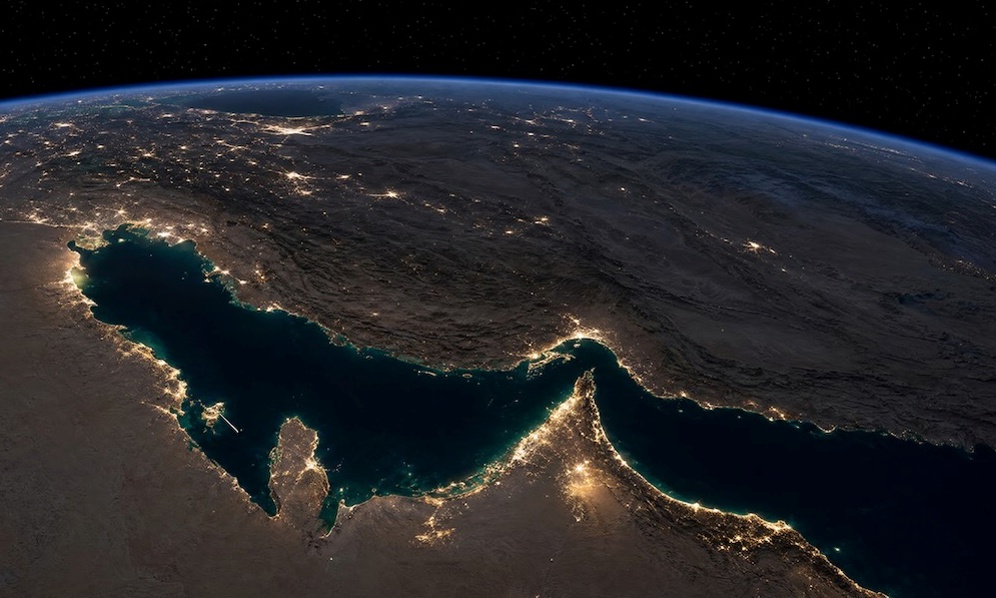
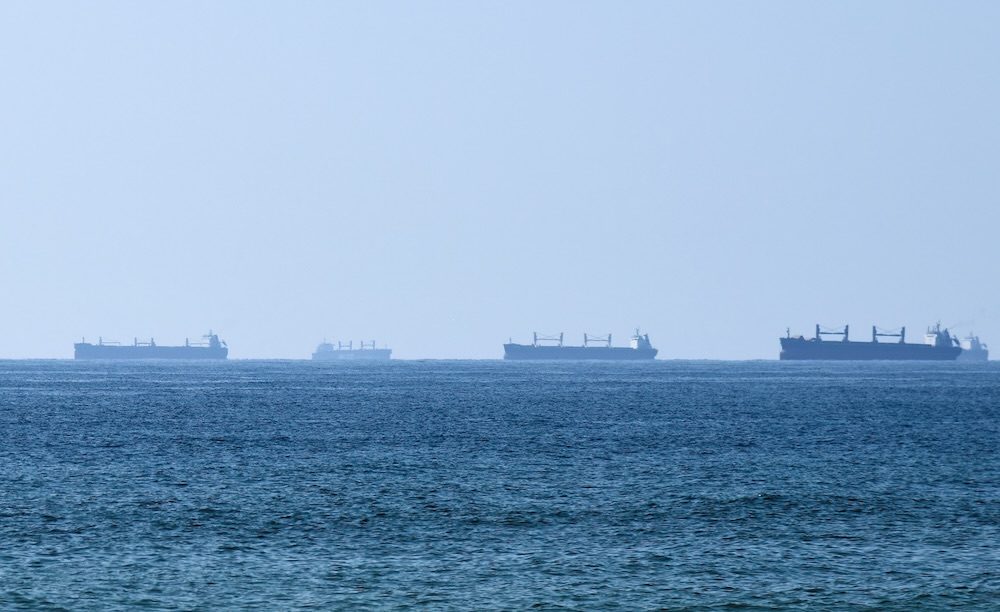
Vessel traffic through the Strait of Hormuz is gathering momentum, with transit volumes rising 48% in a single day, offering the strongest indication yet that commercial shipping is edging back towards normal operations after months of disruption, according to maritime risk specialist Windward.
Recovery Data and New Routing
Transit volumes reached 31 confirmed passages by 09:39 UTC on the day recorded, representing a 48% increase from the previous day, Windward said. The improvement follows the International Maritime Organization's (IMO) announcement of a coordinated evacuation plan and Oman's publication of six authorised eastbound waypoints – the first formal safe-passage routing established since the strait effectively closed earlier this year.
| Metric | Value |
|---|---|
| Confirmed passages (by 09:39 UTC) | 31 |
| Day-over-day increase | 48% |
| Stranded seafarers to be evacuated | >11,000 |
| Eastbound waypoints published by Oman | 6 |
The IMO is overseeing what it described as one of the largest coordinated maritime evacuations in recent history, seeking to move more than 11,000 seafarers aboard vessels stranded inside the Gulf. Shipowners have been instructed not to move until contacted by the United Kingdom Maritime Trade Operations (UKMTO) or the French-led MICA Centre, with departures being carefully sequenced to minimise congestion and reduce the risks posed by mines, damaged navigation infrastructure and high traffic density.
"The key message to shipmasters right now is: do not move," the IMO said in guidance issued to the industry. Vessels will only proceed once allocated a departure slot before being directed to a designated waiting area and assigned either the northern route through Iranian waters or the southern route coordinated by Oman and the United States.
The IMO stressed that the existing traffic separation scheme remains unsafe because of reported mine risks, meaning all movements must follow newly established temporary corridors coordinated by coastal states. While safety assurances have been secured, the IMO warned that movements could still be delayed or suspended should conditions deteriorate.
Human Toll: Stranded Seafarers and the Epimonidas Release
Despite the encouraging numbers, shipping remains far from business as usual, with Tehran still issuing veiled threats in the past 24 hours, according to Splash247. The IMO marked today's Day of the Seafarer with an unusually pointed message highlighting the human cost of geopolitical conflict. Under the theme "Carrying world trade. Carrying the risks.," IMO secretary-general Arsenio Dominguez thanked the world's 1.8 million seafarers while stressing that their safety remained the organisation's highest priority.
UN secretary-general António Guterres struck a similar tone: "When nations clash, seafarers are often caught in the crossfire. Recent events in the Strait of Hormuz have seen tens of thousands of seafarers stranded as they work far from home to keep the world fuelled and fed. Mariners must never be the victims or pawns of geopolitical conflict."
There was some positive news for crews this week. Authorities in both Ukraine and the Philippines confirmed that Iran's Islamic Revolutionary Guard Corps has begun releasing crewmembers from the Greek-managed containership Epimonidas, which was seized in April after attempting to transit Hormuz. Four Ukrainian and four Filipino seafarers have now returned home, with additional crew expected to be repatriated in the coming days. The 6,690 TEU vessel was one of two MSC-operated containerships intercepted by Iranian forces, which alleged the ships had attempted to enter the strait without permission.
Implications for Operators and Shippers
For freight forwarders, ocean carriers, and logistics managers operating in the Gulf region, the partial reopening introduces both opportunity and caution. Vessel operators should await contact from UKMTO or MICA Centre before moving, and follow allocated departure slots. The northern and southern routes introduce differing risk profiles: the northern route through Iranian waters may carry political sensitivities, while the southern route coordinated by Oman and the US offers a neutral option. Shippers should expect continued congestion and potential last-minute delays as the IMO sequences departures. The seizure of MSC-operated vessels underscores the danger of attempting unauthorised transits. Carriers should verify the latest routing guidance from coastal states and ensure compliance with IMO directives.
Watch List
- Departure sequencing: The IMO's slot allocation process may create backlogs if too many vessels are cleared simultaneously. Monitor UKMTO and MICA Centre communications.
- Mine and infrastructure risks: The IMO confirmed the existing traffic separation scheme remains unsafe due to mine risks. Any change in threat assessments could trigger renewed suspensions.
- Crew repatriation: Further releases from the Epimonidas and other seized vessels could improve crew morale but may also indicate shifting Iranian policy.
- Tehran's statements: Iran continues to issue veiled threats, and any escalation could reverse the current recovery trend.
Sources: