Crude tanker contracting has surged to a record high in 2026, with owners flocking to secure new VLCC and suezmax capacity, driven by strong freight markets, an ageing fleet, and geopolitical disruption. The orderbook has swollen to unprecedented levels, threatening to oversupply the market unless scrapping accelerates.
Record Ordering in 2026
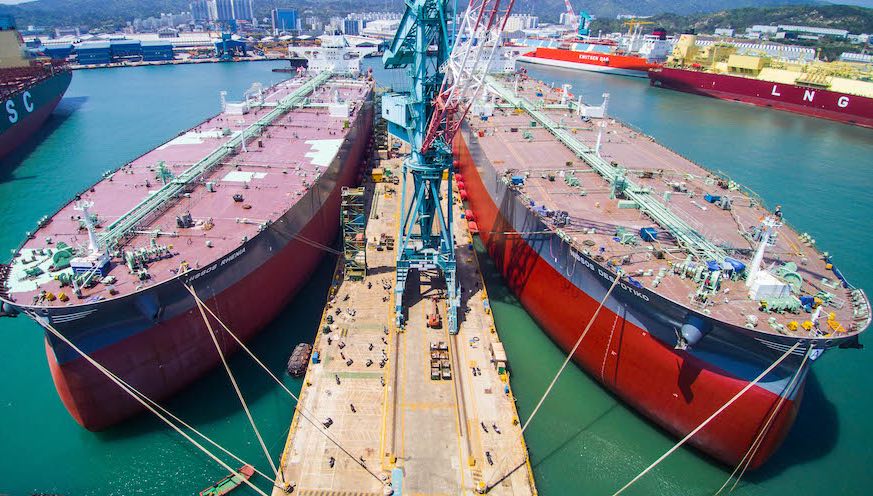
According to BIMCO, crude tanker newbuilding contracting has reached 60 million deadweight tonnes (dwt) across 234 ships so far this year, making 2026 the strongest year ever for crude tanker orders. The surge has been led by very large crude carriers (VLCCs), with 151 VLCCs ordered — more than double the total for the whole of 2025. Filipe Gouveia, shipping analysis manager at BIMCO, stated: “High freight rates and the need to replace an increasingly older fleet have both encouraged contracting.”
VLCCs now account for 79% of the crude tanker capacity contracted this year. Most of the remaining orders are in the suezmax segment, where capacity ordered has already matched the full-year 2025 total.
Orderbook Swells to Record Levels
BIMCO reported that the crude tanker orderbook has reached 130m dwt, the highest on record and equivalent to 27% of the existing fleet. Deliveries are scheduled through to 2030, with new capacity expected to increase gradually until at least 2028 — a sharp change from the sub-10m dwt delivered annually over the past three years.
Veson Nautical’s latest tanker analysis points to a similar acceleration. It estimates the tanker orderbook has grown from around 15% of the live fleet a year ago to about 22% today, reflecting continued conviction among sophisticated owners despite the inevitability of a market downturn.
VLCC Dominance and Pricing
The standout move has been VLCC ordering. Veson counted 183 VLCC contracts in the first half of 2026, compared with 18 in the same period last year and none in the first half of 2022. A newbuild VLCC is now priced at about $132 million, while resale units command around $172 million, showing the premium placed on near-term availability.
Geographical Breakdown
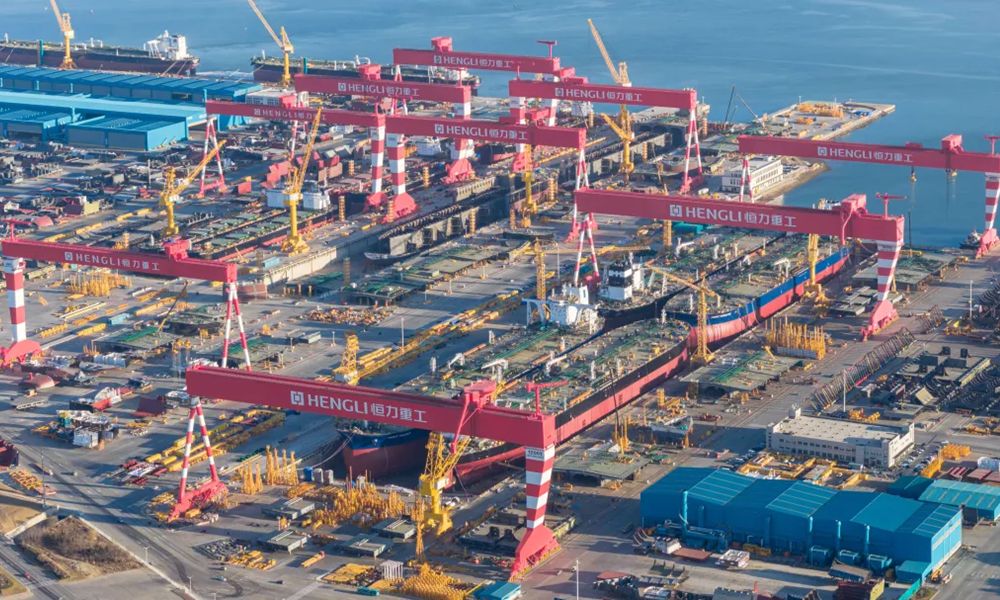
Greece remains the most active tanker ordering nation, with Veson recording 175 new tanker orders in the first half of the year, up from 38 a year earlier. Singapore ranked second with 63 orders. On the shipbuilding side, China continues to dominate, taking 352 tanker orders in the first half, more than three times last year’s level. BIMCO said Chinese yards account for 82% of crude tanker capacity ordered so far this year and 70% of the current crude tanker orderbook.
Fleet Ageing Drives Replacement Demand
The fundamental justification is replacement. The crude tanker fleet has been ageing since 2011, as limited deliveries and low recycling have pushed the average age to around 14 years. BIMCO stated that 22% of the fleet, equal to 105m dwt, is now more than 20 years old, even though tankers are typically designed for around two decades of operation. Speaking at the TradeWinds Shipowners Forum during Posidonia last month, Capital Maritime & Trading Corp founder and chairman Evangelos Marinakis highlighted that the fleet is “the oldest we have had in the last few decades,” arguing that replacement demand explains a significant portion of current contracting.
Market Implications and Braemar Outlook
Braemar has pushed back against the most bearish readings of the orderbook, stating that “recent tanker ordering – particularly of large crude carriers – is troubling, but new ship deliveries can easily be offset by the exit of older tankers, leaving fleet growth flat at manageable levels.” However, Braemar still expects tanker markets to weaken over the next 12 months as supply growth outpaces delayed demand recovery, before scrapping of older, less efficient ships accelerates in the second half of 2027.
| Metric | 2026 H1 Data | Comparison |
|---|---|---|
| Total crude tanker orders (dwt) | 60m dwt across 234 ships | All-time high |
| VLCC orders (contracts) | 151 (79% of capacity) | Double 2025 full year |
| Orderbook (dwt) | 130m dwt | 27% of existing fleet |
| VLCC H1 2026 contracts | 183 | 18 in H1 2025, 0 in H1 2022 |
| Newbuild VLCC price | ~$132m | Resale: ~$172m |
| Greece tanker orders H1 | 175 | 38 year earlier |
| China tanker orders H1 | 352 | >3x last year |
| Fleet % >20 years old | 22% (105m dwt) | Average age 14 years |
For shippers and operators, the record orderbook signals ample future supply once vessels deliver, potentially softening freight rates after 2027 if scrapping does not keep pace. However, the current strength in rates and the need to replace an old fleet may sustain near-term demand for modern tonnage. The dominance of Chinese shipyards and Greek ownership remains a key structural factor.
Sources: