iGEN
Visit IGEN World Explore IGEN Expo
EXPLORE UPGRADE PLANS
BREAKING
Werner Enterprises Posts Highest Revenue Per Truck Growth in One-Way Segment in a Decade CMA CGM and Stonepeak Launch United Ports LLC in $2.4 Billion Terminal Joint Venture UPS shift away from Amazon shows bigger payoff Lanesurf: 62% of Loads Get Vetted Carrier Offers Before Brokers Arrive India-China Border Trade Via Lipulekh Resumes Aug 1; China Permits 20 Traders Geopolitics Drives CMA CGM Q2 Profit Surge of 42% as Volumes and Rates Climb Benchmark Diesel Price Rises Third Week as Futures Plunge; Spread Hits Record Indian Government Limits Sugar Dealers to 400 Tonnes Stock Until November to Curb Hoarding Tenants signing longer leases for larger warehouses as 3PLs lock in capacity US stock market flat as S&P 500 and Dow barely move, Nasdaq slides over 1% on chip rout Werner Enterprises Posts Highest Revenue Per Truck Growth in One-Way Segment in a Decade CMA CGM and Stonepeak Launch United Ports LLC in $2.4 Billion Terminal Joint Venture UPS shift away from Amazon shows bigger payoff Lanesurf: 62% of Loads Get Vetted Carrier Offers Before Brokers Arrive India-China Border Trade Via Lipulekh Resumes Aug 1; China Permits 20 Traders Geopolitics Drives CMA CGM Q2 Profit Surge of 42% as Volumes and Rates Climb Benchmark Diesel Price Rises Third Week as Futures Plunge; Spread Hits Record Indian Government Limits Sugar Dealers to 400 Tonnes Stock Until November to Curb Hoarding Tenants signing longer leases for larger warehouses as 3PLs lock in capacity US stock market flat as S&P 500 and Dow barely move, Nasdaq slides over 1% on chip rout
Home ›› Logistics ›› Shipping Freight ›› Tankers Lng ›› Hormuz crisis reaches final form: double tolls, dual routes, and paralysis for shipping

Hormuz crisis reaches final form: double tolls, dual routes, and paralysis for shipping

The Strait of Hormuz has become the world's first double-tolled chokepoint after the US announced a 20% levy on all cargo transiting the strait, while Iran continues collecting fees from 'friendly' vessels. The dual pricing, along with two rival traffic routes and two irreconcilable geopolitical worldviews, is creating paralysis across ocean freight, especially for oil and LNG tankers. P&I clubs, charterers and traders have no precedent to price the risk.

iG
iGEN Editorial
July 14, 2026
Hormuz crisis reaches final form: double tolls, dual routes, and paralysis for shipping

The Strait of Hormuz in July 2026 is not just a geopolitical flashpoint — it is now a double-tolled chokepoint that threatens to paralyse global shipping, with freight costs, insurance premiums and operational risk escalating by the day. According to Splash247, President Trump’s announcement of a 20% toll on all cargo transiting Hormuz, combined with a reinstated naval blockade of Iranian ports, has mirrored Iran’s earlier practice of collecting passage fees from so-called friendly vessels. The result: a shipowner contemplating a Hormuz transit today faces two invoices for the same passage, with no legal framework validating either and no clarity on how the toll is assessed.

Why duality is the crisis

At the root of the crisis, Splash247 argues, is duality — dvandva as described in the Bhagavad Gita: pairs of opposites. For the United States, Israel and the broader West, the strait is an international waterway through which a quarter of seaborne oil and a fifth of the world’s LNG must flow freely. For Iran, Hormuz is its doorstep, its one strategic lever that decades of sanctions could never confiscate. The West sees a highway; Iran sees a moat. Neither side yields.

Two toll collectors

The commercial absurdity is stark. Iran signalled early in the crisis that passage would carry a price, and the IRGC has reportedly been collecting fees from “friendly” vessels for months. Washington called this extortion and a violation of international law; the IMO agreed no state may unilaterally levy charges on strait transits. Now the United States has announced its own 20% toll “as a matter of fairness” for providing security. A shipowner faces the prospect of paying both — with no legal framework validating either, no clarity on how “20% of cargo” is assessed, and every possibility that paying one authority invites sanction or attack from the other. UNCLOS is silent because it never imagined this. Splash247 calls it the world’s first double-tolled chokepoint, and P&I clubs, charterers and traders have no precedent to price it.

Two routes, one dilemma

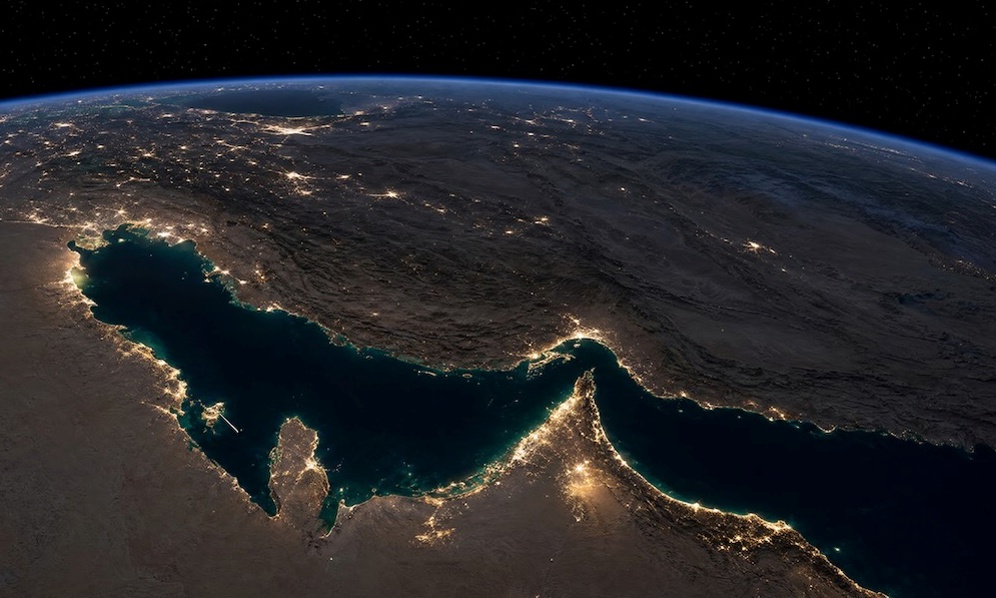
The physical geography reinforces the political. The traffic separation scheme through Hormuz offers two passages: a northern route hugging the Iranian side, under the gaze of IRGC fast-attack craft and shore-based missiles; and a southern route closer to Omani waters, sheltered under Omani jurisdiction and the US Navy’s escort corridor. Sailing north arguably falls within Tehran’s “coordination” framework; sailing south signals alignment with Washington’s regime, making a vessel a potential target. Both choices carry risk.

Implications for shippers and operators

For logistics operators, the immediate impact is on cost and insurance. Every transit through Hormuz now carries a 20% surcharge from the US and potential extra fees to Iran — costs that will cascade through supply chains for oil, LNG and containerised cargo. Tanker owners on the Gulf-to-Asia and Gulf-to-Europe lanes are hardest hit. Charterers and traders must decide whether to absorb the tolls, reroute around the Cape of Good Hope, or halt operations entirely. There is no market precedent for this dual-pricing regime.

Factor US Toll Iran Fees
Legal basis Declared self as “Guardian of the Strait” Territorial sovereignty claim
Amount 20% of cargo value Unknown, reportedly variable
Enforcement Naval blockade, escort corridors IRGC naval & missile assets
Risk of paying Potential sanction/attack from Iran Potential sanction/attack from US

With no end to the duality in sight, freight forwarders and ship operators must prepare for prolonged uncertainty. The strait remains open — but at a price no one can reliably model.


Sources: Splash247 Maritime

Keep Reading

Recommended Stories

Trump Monetises Hormuz Security as Tanker Attack Kills Indian Seafarer and US Reimposes Iran Blockade Logistics

Trump Monetises Hormuz Security as Tanker Attack Kills Indian Seafarer and US Reimposes Iran Blockade

A UAE-flagged tanker was struck by Iranian missiles in the Strait of Hormuz, killing an Indian crew member, as the US resumed its blockade of Iranian ports and President Trump announced a 20% toll on all cargo transiting the waterway. DP World is planning a new port at Fujairah to bypass the strait.

July 14, 2026
Strait of Hormuz Near Standstill, Ukraine Strikes, Evergreen Raided, ZIM Sale Faces Hurdles Logistics

Strait of Hormuz Near Standstill, Ukraine Strikes, Evergreen Raided, ZIM Sale Faces Hurdles

The Strait of Hormuz saw a near standstill after US strikes on Iran, with three vessels attacked. Ukraine escalated attacks on Russian shipping. Evergreen Marine was raided in Taiwan. The ZIM sale to Hapag-Lloyd faces political opposition. The Panama Canal will reduce neopanamax draught limits.

July 10, 2026
Hormuz dispute shifts from access to control as containership grounding highlights risks Logistics

Hormuz dispute shifts from access to control as containership grounding highlights risks

Indirect US-Iran talks in Doha yielded only a seven-day quiet period on the Strait of Hormuz, with negotiations deadlocked over joint sovereignty and tolling proposals. A Comoros-flagged containership sanctioned under OFAC ran aground after deviating from Iran's approved corridor, exposing the operational risks for vessels transiting the waterway. The dispute has shifted from access to control, with Iran demanding passage fees and warning of 'irreversible incidents' for non-compliant ships.

July 2, 2026
Strait of Hormuz Security Collapses as US and Iran Trade Fresh Military Strikes Logistics

Strait of Hormuz Security Collapses as US and Iran Trade Fresh Military Strikes

The 14-point ceasefire for the Strait of Hormuz collapsed over the weekend as US and Iranian forces exchanged strikes following drone attacks on two commercial vessels. The Panama-flagged tanker Kiku and containership Ever Lovely were hit, with Iran threatening stricter routing enforcement. Oman has proposed an alternative corridor, but shipping through the strait is unlikely to return to pre-conflict arrangements.

June 29, 2026