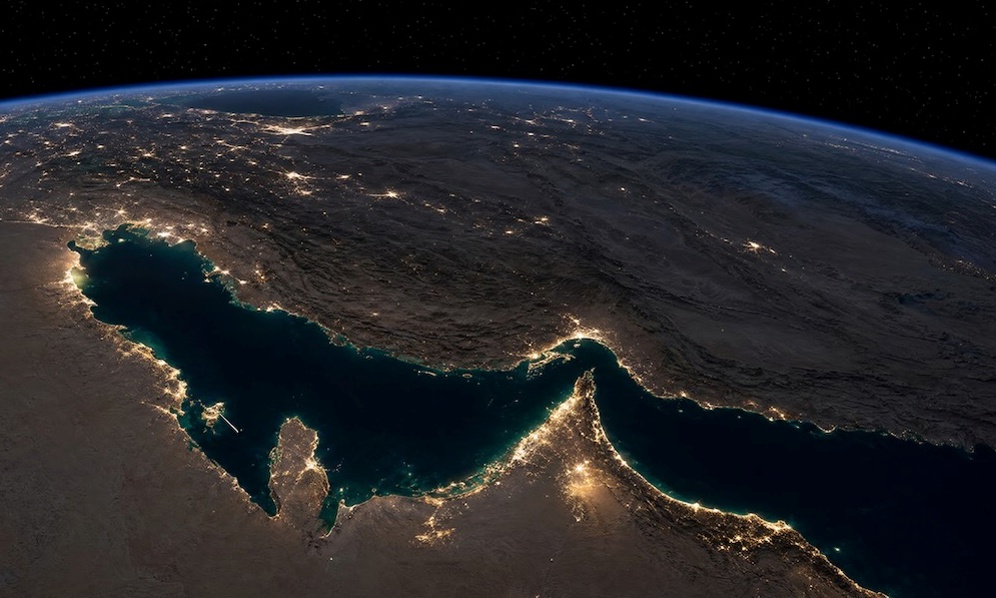
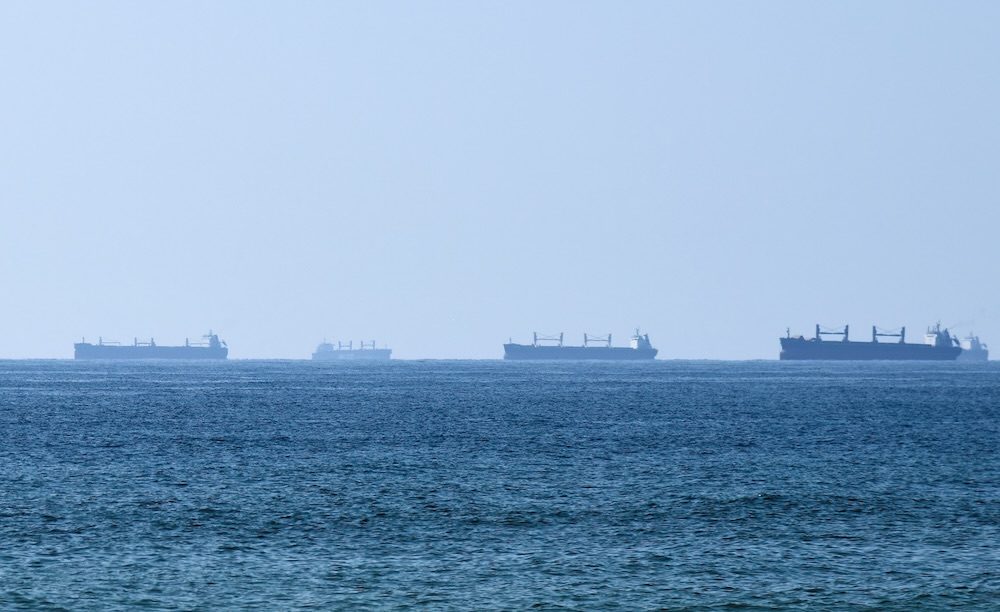
An Indian seafarer was killed and eight others injured after Iran struck two UAE-flagged tankers with cruise missiles in the southern Strait of Hormuz on July 14, according to the UAE Ministry of Defence. The attack came hours before the US reimposed its blockade of Iranian ports, with President Donald Trump adding a controversial 20% toll on all cargo shipped through the waterway.
Attack Details
The tankers Mombasa and Al Bahiyah were hit while transiting the strait within Omani territorial waters, said the UAE Ministry of Defence. One Indian crewmember died aboard Mombasa; of the eight injured, four were serious. The crew includes six Indian and two Ukrainian nationals. Fires broke out on both vessels but have since been brought under control, according to reports.
This is the latest in a series of strikes on commercial shipping in the strait. On July 11, the containership GFS Galaxy caught fire after being hit off the Omani coast; the crew abandoned ship and all but one, still missing, were rescued. During an earlier phase of the US blockade in June, a strike on the products tanker Settebello on June 9 killed three seafarers, according to Splash247.
| Vessel | Date | Incident |
|---|---|---|
| Mombasa (tanker) | July 14 | Hit by cruise missile, 1 killed, 8 injured |
| Al Bahiyah (tanker) | July 14 | Hit by cruise missile, fires contained |
| GFS Galaxy (containership) | July 11 | Fire after strike off Oman, one crew missing |
| Settebello (products tanker) | June 9 | Strike killed three seafarers |
US Blockade and Toll Proposal
The US Naval Forces Central Command confirmed that the blockade of Iranian ports resumed from 2000 GMT on July 14. Vessels suspected of carrying contraband will be subject to the belligerent right to visit and search regardless of location, and ships attempting to dodge the blockade through ship-to-ship transfers will also be liable to boarding.
President Trump posted on Truth Social that the US would become 'the Guardian of the Hormuz Strait' and would seek reimbursement equivalent to 20% of the value of all cargo shipped through the waterway to cover security costs. The proposal has drawn criticism from Iran and Brazil. Iranian foreign minister Abbas Araghchi mocked the plan on X, writing that Iran had 'always been the Guardian of the Strait and will remain so forever,' adding that 20% was 'of course too much' and that Tehran 'will be fair.' Brazilian president Luiz Inacio Lula da Silva separately criticised the toll proposal as amounting to 'piracy.'
Alternative Route: DP World's Fujairah Plan
Separately, the Financial Times reported that DP World is planning a new port and container terminal on the UAE's east coast at Fujairah, designed to bypass the Strait of Hormuz entirely. Fujairah sits on the Gulf of Oman, outside the strait, giving the UAE an alternative maritime gateway if traffic through the strait is disrupted by military action, blockades, toll disputes or rising war risk.
Implications for Shipping
The attacks and the toll proposal create immediate operational risks for tankers and container vessels transiting the Strait of Hormuz. Shippers should expect increased war risk premiums, potential diversions via the longer Cape of Good Hope route, and heightened scrutiny from both US and Iranian forces. The DP World Fujairah project offers a long-term bypass but will take years to complete.
Watch List
- Further US-Iran military escalation in the strait, including the use of US one-way attack drones, which struck a pier and a submarine gantry at Bandar Abbas port on Sunday, according to US Central Command.
- Houthi-Saudi missile exchanges, which the source notes are 'something that shipping will need to keep an eye on as the 1,000th day of the Red Sea shipping crisis approaches.'
- At the UN Security Council, US deputy ambassador Tammy Bruce accused Iran of flying Revolutionary Guards personnel into Yemen under cover of Houthi delegations, warning: 'If Iran shoots at ships, we will immediately respond with force.'
Sources: