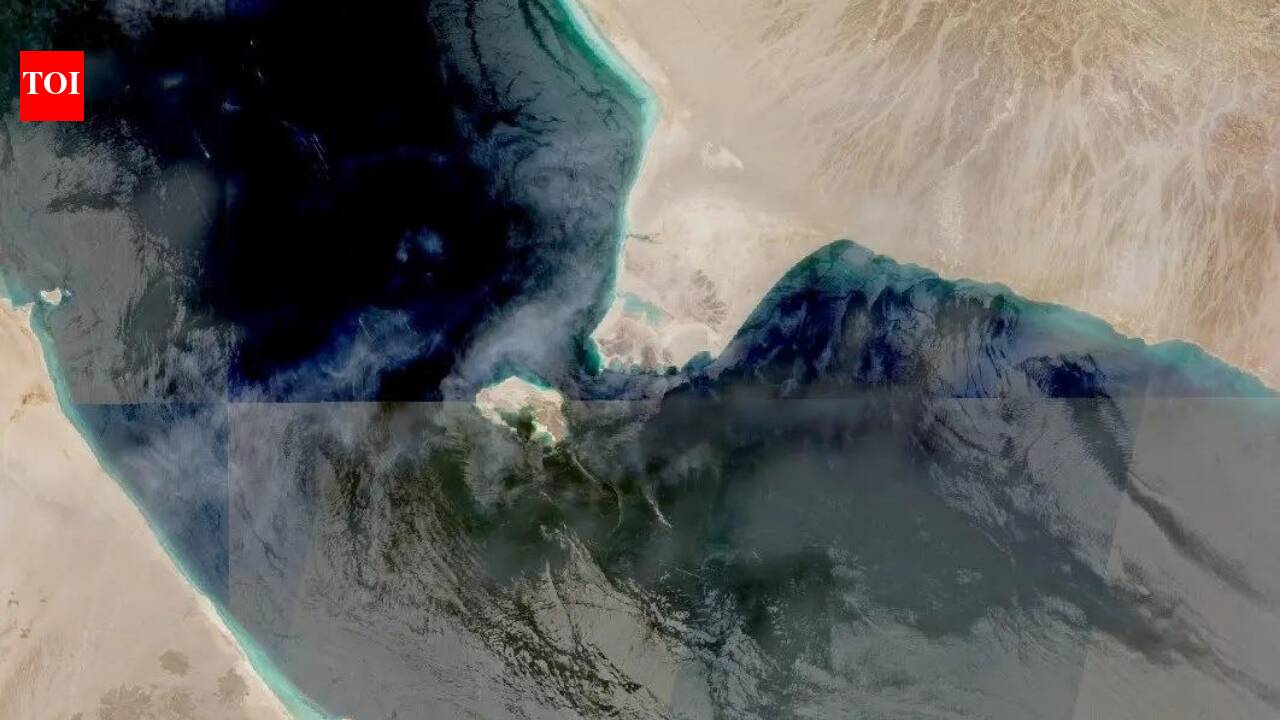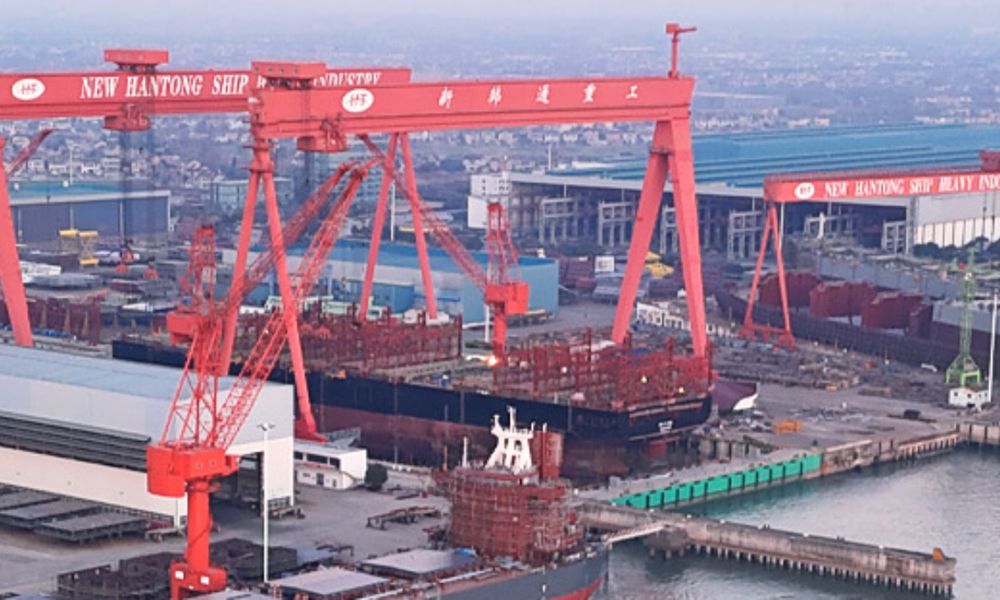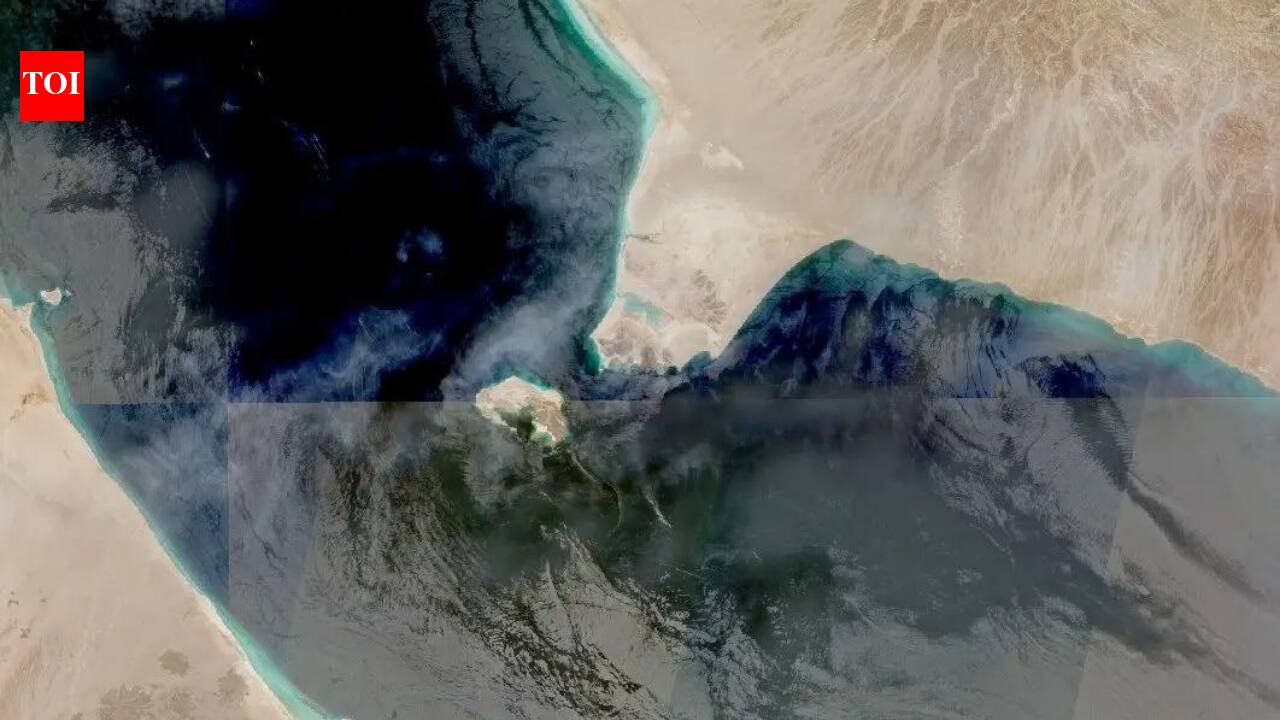
Three tankers carrying Saudi crude oil for India and China have reversed course in the Red Sea, a direct operational disruption caused by threats from Yemen's Houthi militia. According to a Reuters report, the Very Large Crude Carrier (VLCC) Xin Long Yang, the smaller tanker Rodos, and the Suezmax tanker Amazon all turned back from the Bab el-Mandeb Strait on Tuesday and are now steaming north toward the Suez Canal.
Context: Houthi Blockade and Route Shift
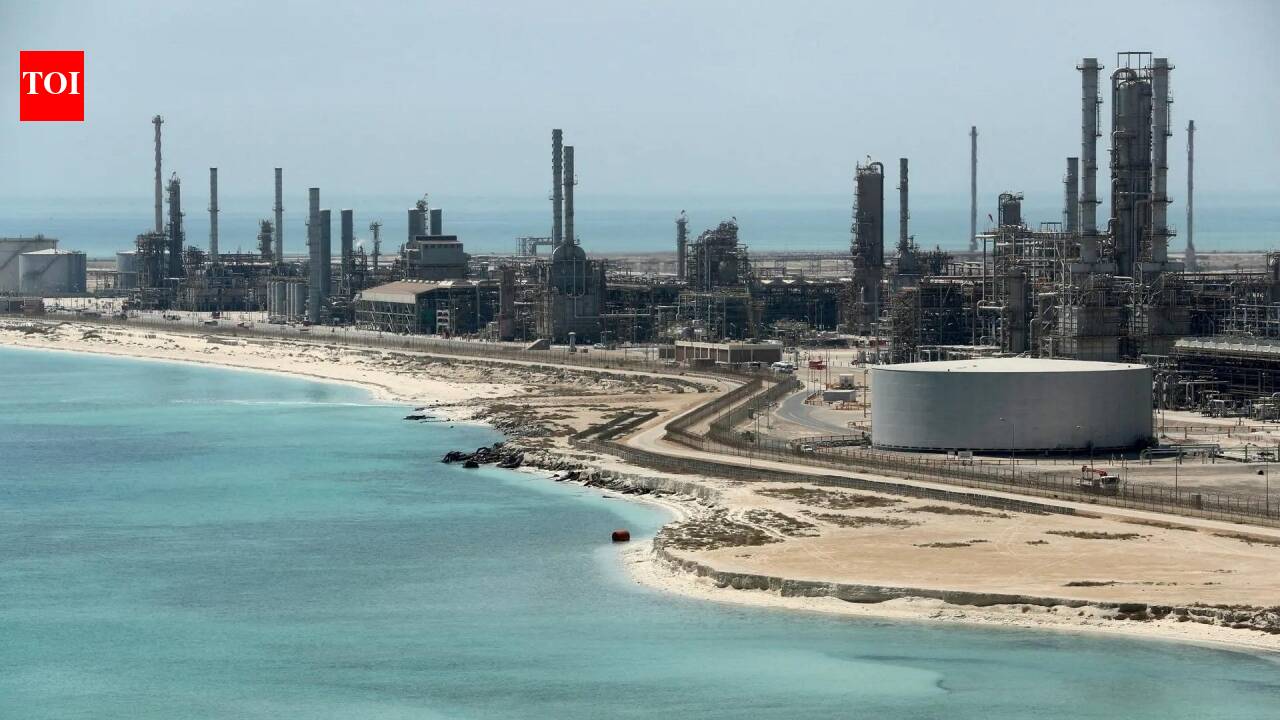
The Houthi militia, which controls northern Yemen including the coastline along the Bab el-Mandeb Strait, announced a naval blockade on Saudi Arabia on Monday. In an email sent to shipping companies, the group warned against loading or unloading cargo at Saudi ports, stating that vessels involved in such operations could be targeted "in any location." With the Strait of Hormuz already blocked during the ongoing conflict, Saudi Arabia's Red Sea port of Yanbu has become the primary alternative export route for Middle Eastern crude, shipping millions of barrels per day.
Vessels Affected
The following tankers have altered their routes:
| Vessel | Type | Cargo (Barrels) | Destination | Action |
|---|---|---|---|---|
| Xin Long Yang | VLCC | ~2 million | China | Reversed course, heading toward Suez Canal |
| Rodos | Smaller tanker | ~700,000 | India | Changed course toward Suez on Tuesday |
| Amazon | Suezmax | Saudi crude | India | Altered route toward Suez Canal |
All three vessels switched off their transponders on Tuesday, according to shipping data. Dynacom Tankers Management, which manages Rodos and Amazon, and Cosco Shipping, the manager of Xin Long Yang, did not respond to requests for comment. Another VLCC, New Prime, which had been scheduled to load crude at Yanbu later this week, also turned back off the coast of Oman before entering the Red Sea. Its manager, Associated Maritime Co HK, did not respond.
Insurance and Security Risks
War-risk insurance premiums have already increased over the past 24 hours, according to insurance industry sources cited by Reuters, as underwriters reassess the risks associated with Saudi ports. British maritime security company Ambrey advised that "vessels calling at Saudi Arabian ports are advised to reconsider transiting the Red Sea and to consider implementing enhanced mitigation measures," adding that those vessels were "at high risk."
Shipper and Operator Implications
Yanbu continues to load crude onto tankers already operating in the Red Sea or those that entered via the Suez Canal, according to Reuters. Vessel-tracking data shows the tanker Olympic Luck remains en route to Yanbu, but most tankers now switch off transponders. Routing vessels through the Suez Canal instead of via the Bab el-Mandeb Strait significantly lengthens voyages to Asian destinations, as ships must transit the Mediterranean before sailing around Africa—adding weeks to transit times and increasing fuel and crew costs.
Shippers of crude and refined products should prepare for extended lead times and potential rate increases on routes through the Red Sea and to Yanbu. Alternative routes around the Cape of Good Hope may be considered longer-term options, but the immediate impact is tight capacity on Suez-bound vessels and rising insurance premiums.
Watch List
- Continued Houthi announcements and any expansion of the blockade to other ports.
- Insurance premium adjustments and war-risk clauses on contracts.
- Vessel-tracking trends—whether more tankers switch off transponders or divert.
- Potential rerouting of additional crude carriers and impact on spot rates for VLCCs on the Middle East-to-Asia lane.
Sources: