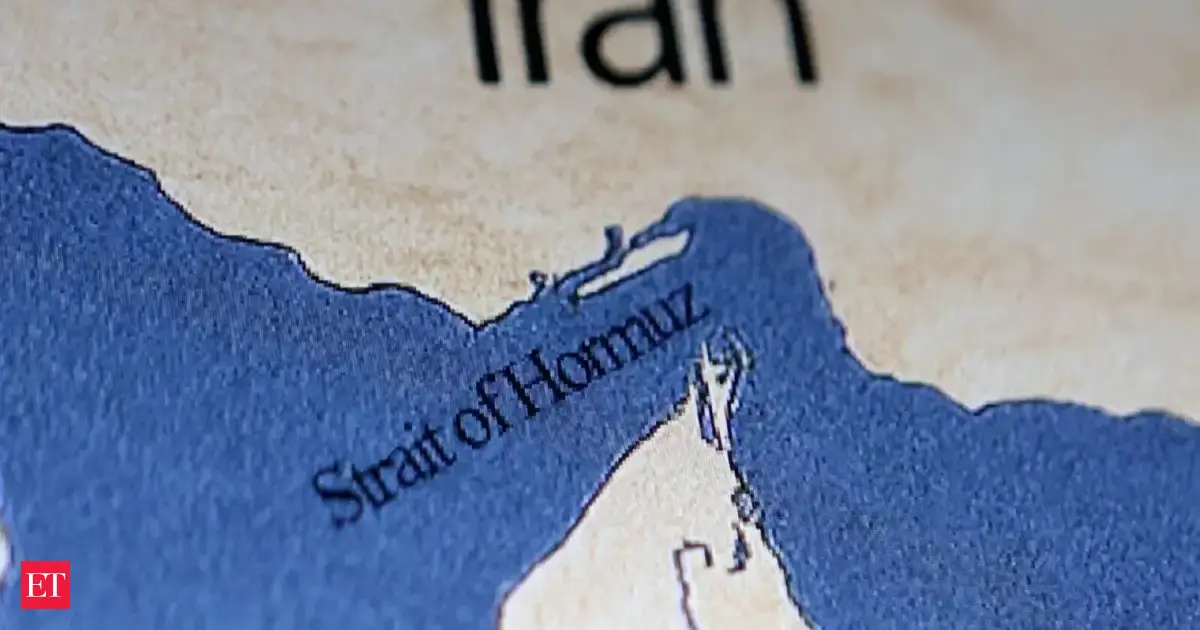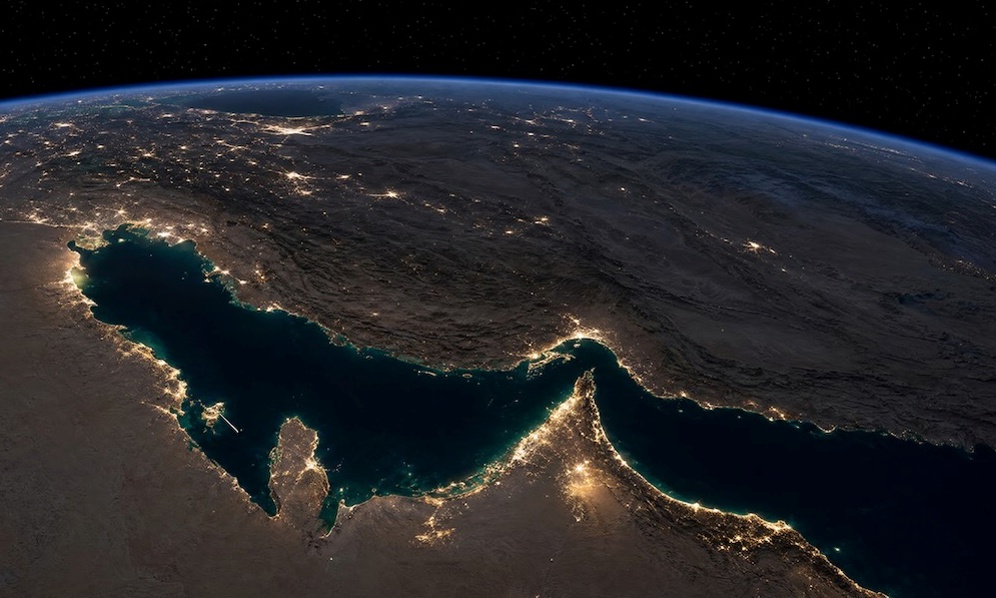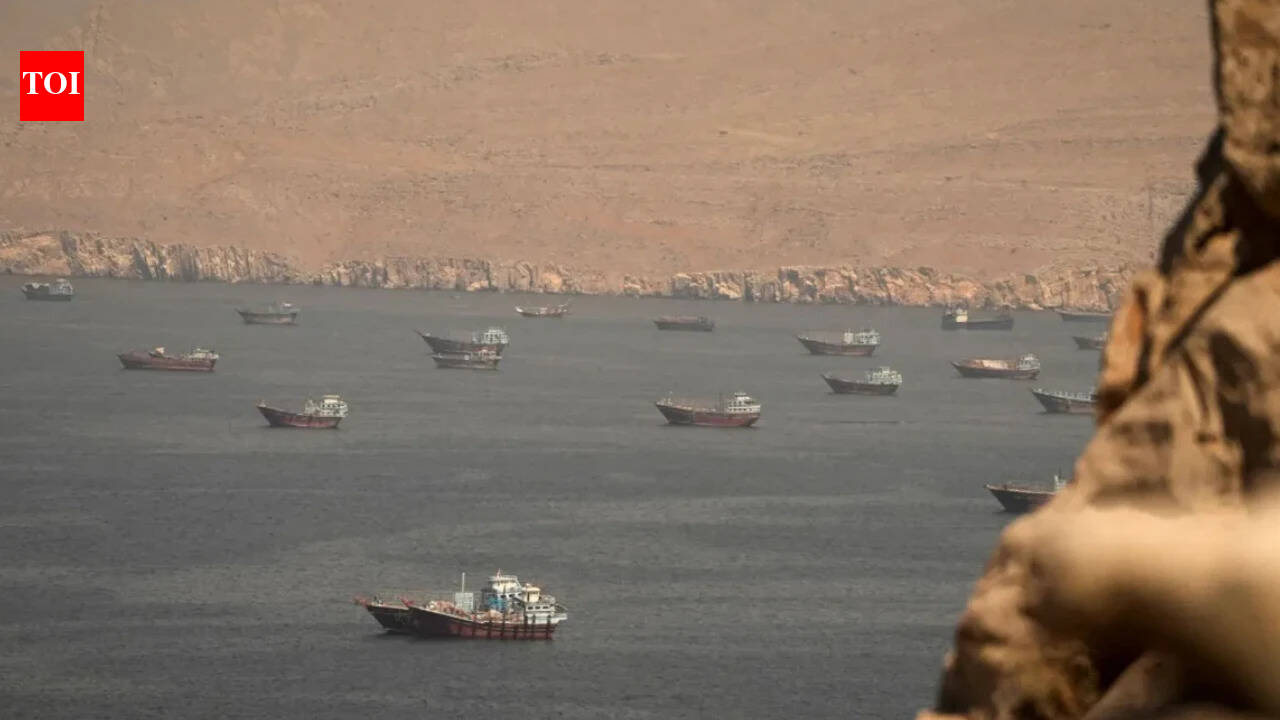
Iran's new Persian Gulf Strait Authority has blacklisted 45 tankers for allegedly violating its rules for crossing the Strait of Hormuz, warning that vessels conducting ship-to-ship transfers with them could also face fines, detention and cargo confiscation, according to Business-Today. The move directly raises compliance and counterparty risk for tanker operators, charterers and insurers moving crude oil, LNG, LPG and clean petroleum products through the world's most important energy chokepoint.
What the blacklist means for vessel operators
In an X post late Sunday, the Persian Gulf Strait Authority — a body set up by Iran to manage the waterway — said the listed vessels could be fined, detained and have their cargoes confiscated, according to Business-Today. The authority also warned that ships involved in transfers with the blacklisted vessels could themselves be added to the list. It did not specify which rules had been breached.
Iran has previously said shipowners should obtain clearance to transit the strait and pay for security and other services, Business-Today reported.
The list includes very large crude carriers (VLCCs), liquefied natural gas (LNG) and liquefied petroleum gas (LPG) tankers, and clean product vessels. An accompanying vessel roster names all 45 ships by name and IMO number. Selected entries:
| Vessel name | IMO number |
|---|---|
| Kiku | 9329796 |
| Mubaraz | 9074626 |
| Minoan Pioneer | 9471630 |
| Hafeet | 9928009 |
| Al Rekayyat | 9397339 |
| Wedyan | 9524970 |
| Cyprus Prosperity | 9595216 |
| Al Rawdah | 9734513 |
| Gaslog Shanghai | 9600528 |
| Stolt Magnesium | 9739317 |
Owners and operators exposed
Some of the blacklisted vessels are owned by the UAE's ADNOC Logistics and Shipping (ADNOC L&S), ADNOC subsidiary Navig8 Tankers and Saudi Arabia's national shipping carrier Bahri, according to Reuters, as cited by Business-Today. Ships owned by Klaveness Ship Management, Stolt Tankers and South Korea's Sinokor are also included.
ADNOC declined to comment, Business-Today reported, while other shipping firms did not immediately respond to Reuters' requests for comment.
Sanctions standoff and Hormuz traffic
The blacklist was published days after the US threatened Iran with "the toughest sanctions in history". Iran's Foreign Ministry spokesperson Esmail Baghaei warned of a harsh response.
"Any escalation of this situation will undoubtedly bring about consequences," Esmail Baghaei said. "Our hands are not tied."
Iran's new top security official said support for the sanctions by any country would be considered an "act of war", Business-Today reported.
The US has imposed a naval blockade against Iran-related shipping. Before the conflict disrupted tanker traffic, the Gulf supplied about 20% of the world's daily crude oil and LNG, the report noted. Iran has said reopening the strait would require lifting the US blockade, withdrawing US forces from the region and reparations for war damage. It has also held talks with Oman on jointly managing the waterway.
US-coordinated efforts to move tankers through the strait to fill supertankers waiting outside have helped restore some exports. US Energy Secretary Chris Wright said on X that the "7-day average of oil leaving the Strait is over 8 million barrels a day. Make no mistake, thanks to the U.S. Navy, oil is flowing through the Strait of Hormuz."
Operational guidance for shippers and carriers
For freight forwarders, charterers and tanker operators, the immediate operational takeaway is to screen any tonnage trading through Hormuz — or engaged in ship-to-ship transfers near it — against the 45-vessel list, since the authority warned that transfer partners of blacklisted ships could be added next, according to Business-Today.
The inclusion of vessels linked to major regional carriers such as ADNOC L&S and Bahri means even well-established chartering counterparts can be exposed. Cargo interests should also watch for detention and cargo confiscation risk on the affected vessels. Iran's currency hit a record low on Monday ahead of the expected US announcement, adding to the financial volatility surrounding the escalation, Business-Today reported.
Watch list
- Expected US announcement: The blacklist came "ahead of the expected US announcement" on sanctions, according to Business-Today — a trigger point for further shipping restrictions.
- Iran-Oman talks: Iran has held talks with Oman on jointly managing the strait, which could alter enforcement and transit-clearing procedures.
- US-coordinated tanker movements: Continued US Navy-backed convoys may expand as supertankers waiting outside the strait are filled.
- Ship-to-ship transfer crackdowns: The authority's explicit warning on transfer partners means any vessel calling on blacklisted ships is at immediate regulatory risk.
Sources: