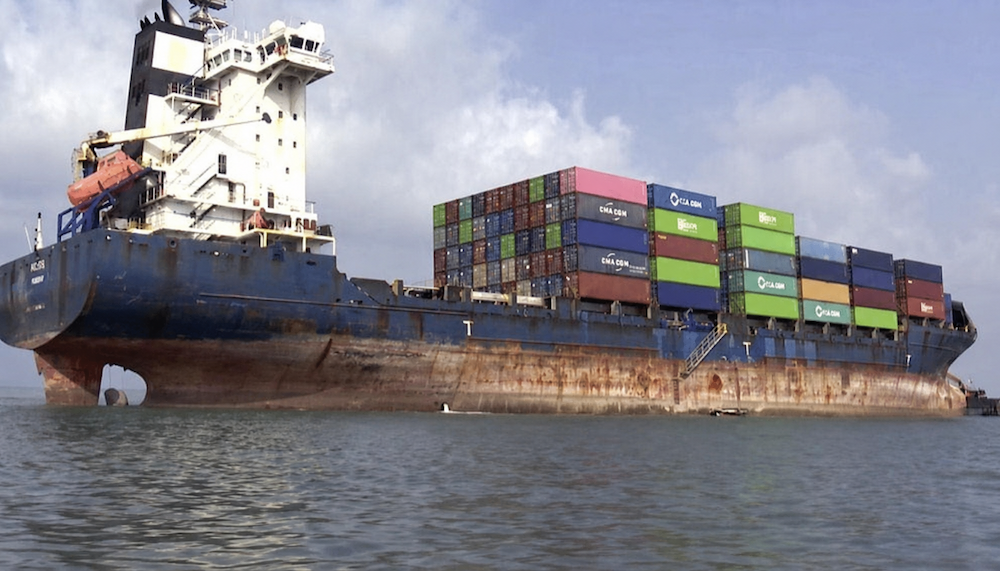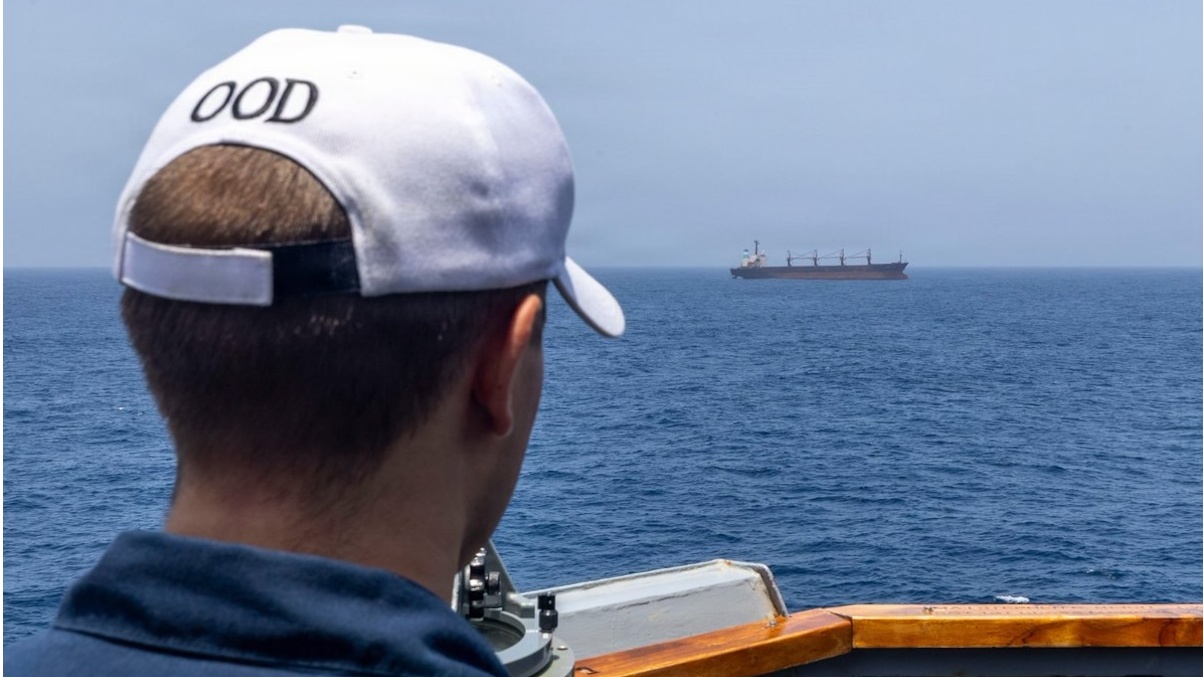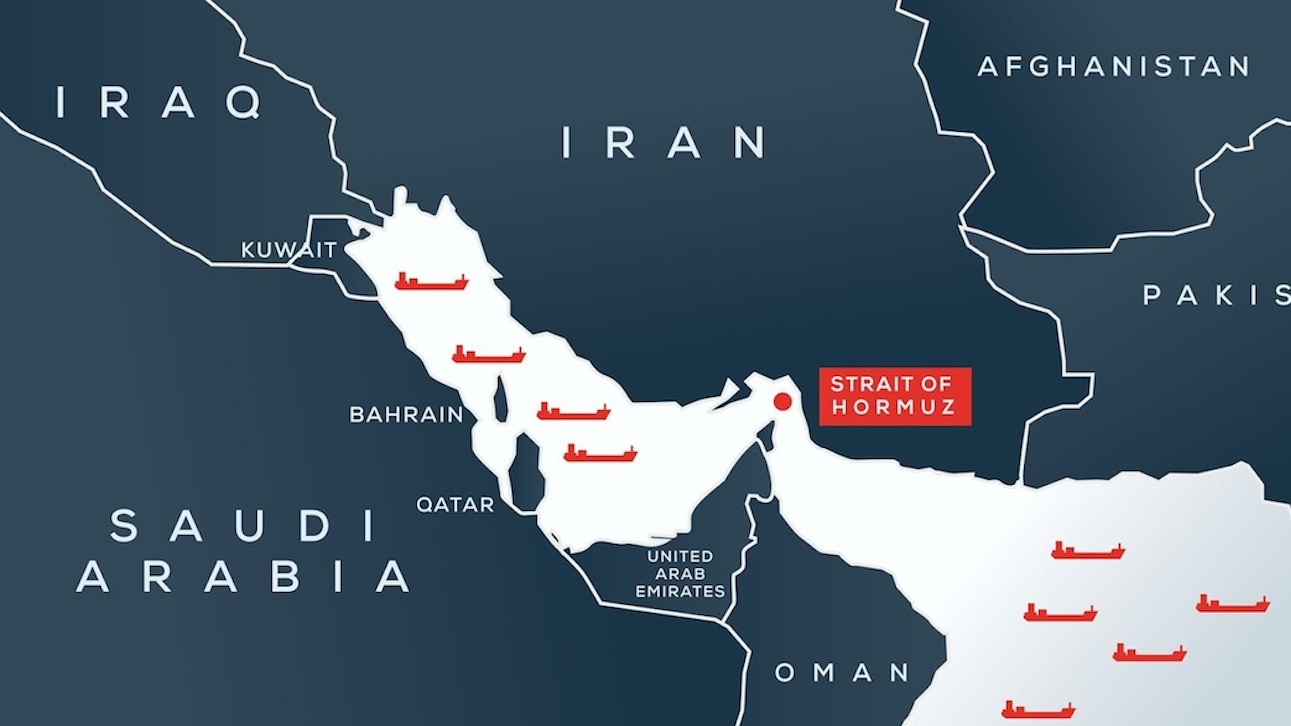
The Strait of Hormuz remains effectively closed to normal vessel traffic as a standoff between Iran and the United States blocks a return to routine shipping, FreightWaves' Stuart Chirls reported. Consultant Kpler recorded only eight vessels crossing on Aug. 5 — five tankers and three bulk carriers — down from more than 100 vessels per day prior to the conflict.
Why the Strait matters
About 20% of the world's crude oil supply moves by ship out of the region, according to FreightWaves. The conflict has driven up global fuel prices and forced a shift in trade connections in the surrounding logistics hubs. The same report describes the waterway as critical to tanker, LNG and container flows, all of which remain at sharply reduced levels while the reopening framework is incomplete.
Traffic snapshot
| Metric | Pre-conflict | Aug. 5 |
|---|---|---|
| Daily vessel transits | More than 100 | 8 (5 tankers, 3 bulk carriers) |
| World crude oil supply moved by ship from the region | About 20% | About 20% |
| Tracked crossings since late February with no reliable AIS signal | — | More than half |
Iran-Oman 60-day framework
Tehran and Oman are finalizing a proposed 60-day reopening framework, FreightWaves reported. Under the latest proposal, inbound vessels would use a route near Iran, while outbound vessels would ply an Omani-side route. The reported framework would impose no transit or service fees and could include regional participation in demining and technical work.
The U.S. position is that the southern route remains open to commercial vessels, according to FreightWaves, but that assurance has not yet translated into normal shipowner confidence or traffic levels.
Security incidents and "dark" crossings
British security monitor UKMTO reported a tanker incident on Aug. 2, and a separate advisory said an LNG tanker was struck by an unknown projectile and lost propulsion, FreightWaves reported.
The report also flagged a large "dark" component in vessel tracking: more than half of tracked crossings since late February reportedly had no reliable AIS signal. That means raw transit counts understate activity, but they also make it difficult to verify whether shipping is genuinely normalizing.
What a return to normal flows requires
A formal Iran-Oman announcement could release some of the vessels still waiting in the Gulf, according to FreightWaves. However, a return to normal tanker, LNG and container flows will likely require:
- Several consecutive weeks of incident-free transits
- Clear routing protocols
- Credible mine-clearance arrangements
- A stable U.S.-Iran political agreement
Implications for shippers and operators
For freight forwarders, ocean carriers and shippers routing cargo through the Gulf, the operational takeaway is that transit availability remains sharply constrained while the framework is still being finalized, FreightWaves reported. Vessels waiting in the Gulf may move after the formal announcement, but a sustainable resumption of tanker, LNG and container flows depends on the incident-free period, routing protocols and mine-clearance arrangements cited in the report. With about 20% of the world's seaborne crude supply at stake, the conflict has already driven up global fuel prices and forced trade connections to shift in surrounding logistics hubs, according to FreightWaves — a condition that will persist until traffic through the Strait of Hormuz normalizes.
Sources: