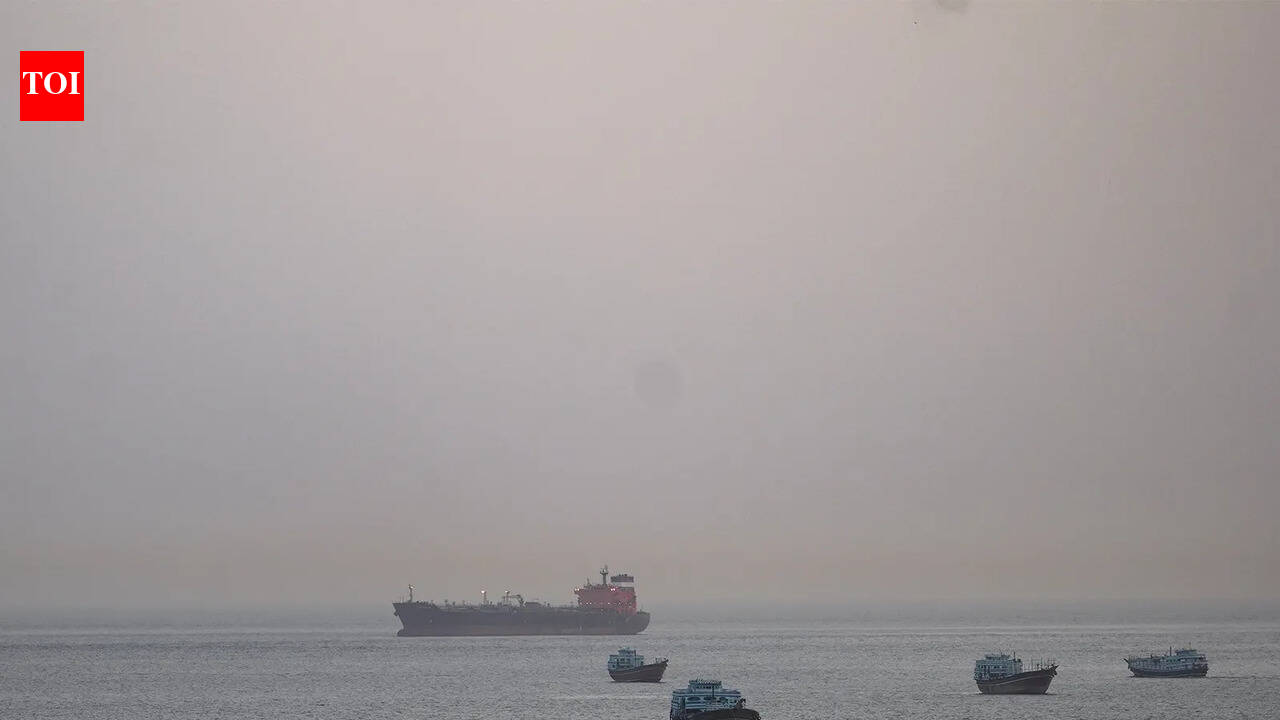
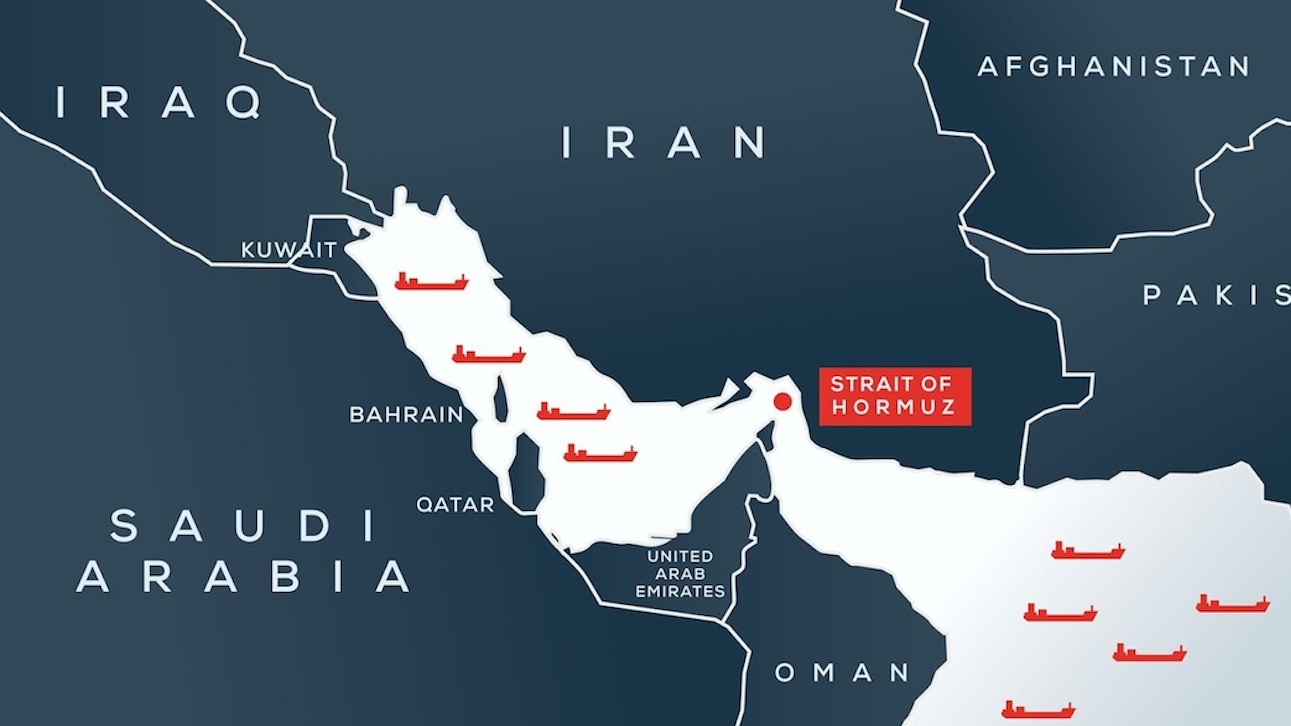
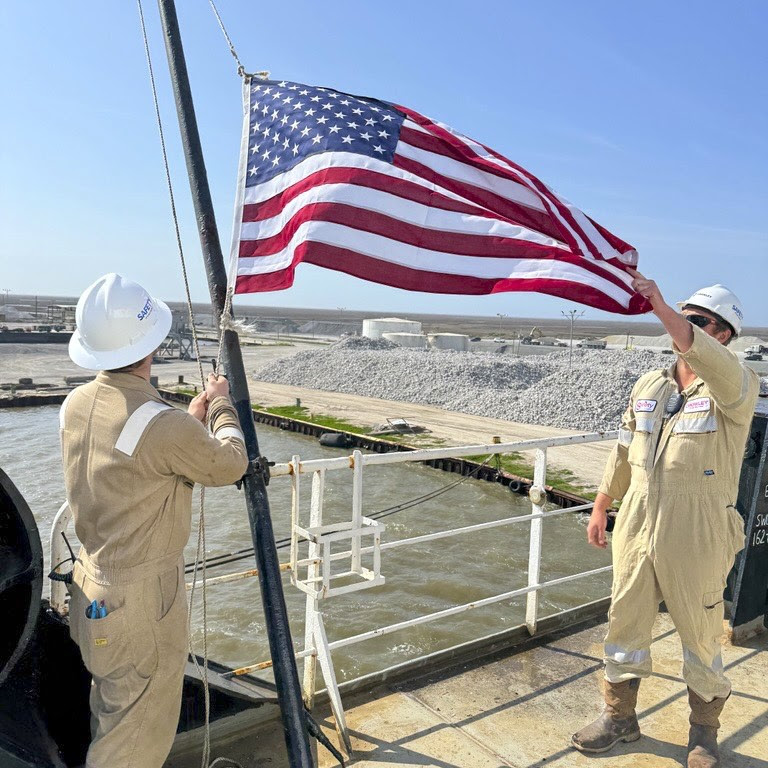
The US may reflag Gulf tankers again, escalating its escort operations in the Strait of Hormuz amid a direct conflict with Iran, according to Splash247. This move mirrors the 1987 Operation Earnest Will, when Washington reflagged Kuwaiti tankers and escorted them through the Gulf during the Iran-Iraq tanker war, but today's context is far more dangerous: Iran now fields long-range missiles and drone swarms, and the US is a direct combatant, not a neutral escort.
Background: From Earnest Will to Direct War
Splash247 reported that in 1987, Operation Earnest Will was a narrow, single-purpose escort mission layered onto someone else's war — the Iran-Iraq tanker conflict. The real question today is whether Washington could run the same playbook inside a war it is now fighting directly. Iran’s capabilities have grown well beyond the small boats, mines and Silkworm missiles of 1987, now including long-range missiles and drone swarms deployed inside an active air and naval war.
The Strait of Hormuz crisis running since February 2026 has already produced at least 17 damaged merchant ships, two captured vessels, and 12 seafarers killed or missing — worse than anything Earnest Will saw, according to the source. In February 2026, Iranian gunboats approached and nearly boarded the US-flagged tanker Stena Imperative before a US warship intervened, showing that a flag alone no longer guarantees restraint.
Current US Escort Operations
Washington is already running a smaller, improvised version of Earnest Will. The Tanker Security Program keeps US-flagged tankers on standby in the Gulf, Operation Project Freedom has escorted merchant shipping through the strait, and President Trump has floated Navy escorts and war-risk insurance for “all maritime trade,” according to Splash247. The case for formal reflagging is that ambiguity invites Iran to keep testing limits, while a declared reflagging regime would give insurers and shippers the legal clarity needed to bring stranded tonnage back into the strait.
The emerging Persian Gulf Strait Authority could provide multilateral cover to do this without looking like a unilateral US land grab over Gulf shipping. However, allied support is thinner than in 1987: France is building its own European escort coalition, and Oman has opened an independent transit route, both signs that a unilateral US scheme would be a harder sell.
The Crude Oil Reality
Splash247 noted that the obvious argument against reflagging — America no longer needs Gulf oil — is only half true. The US exports more refined product than it imports, but remains a net importer of crude oil itself: roughly 6.2m barrels per day in, against 4m out in 2025, because domestic refineries are built for lighter, sweeter crude than most Gulf production. More importantly, Washington’s real interest was never mainly about US-bound barrels; it was about the global price shock any closure creates, and today China is the buyer most exposed to that shock — a strategic lever the US arguably has more reason to use now, not less.
Implications for Shippers and Operators
| Scenario | Impact on Shipping | Recommended Action |
|---|---|---|
| Formal reflagging announced | Legal clarity for insurers; stranded tonnage may return to strait; war risk premiums may stabilize | Monitor Persian Gulf Strait Authority developments; review war risk insurance clauses |
| Continued ad hoc escort | Ambiguity persists; selective attacks and delays continue; limited tonnage available | Diversify to Omani or European escort schemes; consider alternative routes via Oman |
| Full escalation and strait closure | Severe disruption to global crude flows; China and Asian refiners hit hardest | Secure alternative supply sources; book capacity on non-Gulf routes |
Full reflagging carries real risk: US warships inside a strait Iran is willing to mine and strike, at a moment Washington is a combatant rather than a neutral escort, and a weaker domestic case now that dependence looks less obvious. But the drift of events suggests not a clean choice, but a continued escalation that shippers must prepare for now.
Watch List
- Emerging Persian Gulf Strait Authority and its multilateral framework
- European (French) and Omani independent escort or transit routes
- Further Iranian attacks on US-flagged or allied merchant ships
- Clarification of US war-risk insurance offer for all maritime trade
Sources: