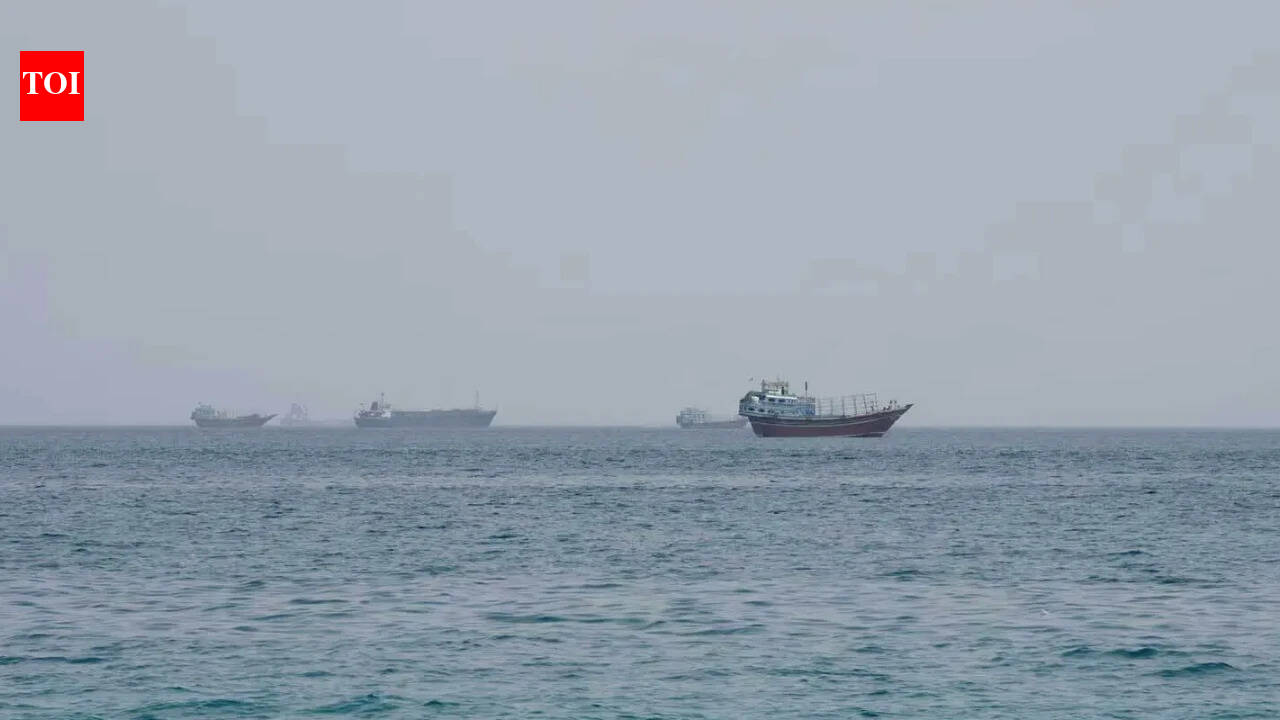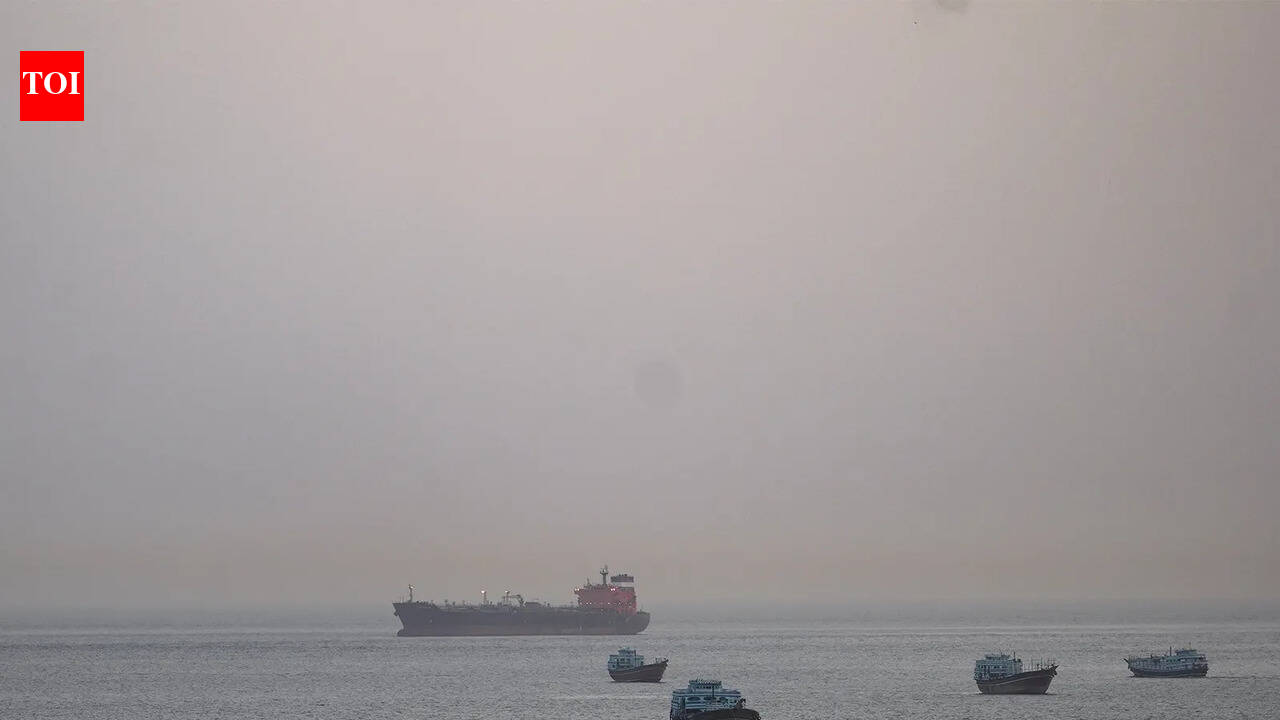
The US military has been quietly running a ship-to-ship oil transfer operation to keep Gulf crude exports flowing despite Iran's effective blockade of the Strait of Hormuz, according to sources cited by Reuters. The system, fully controlled by the US military with aerial surveillance and compliance monitoring, bypasses Iran's closure of the strategic waterway that normally handles around a fifth of the world's oil consumption.
Operation Overview
The operation began in early May and involves smaller tankers carrying oil through the Strait of Hormuz before transferring it to larger vessels waiting offshore. The transfers take place at two hubs: Fujairah in the United Arab Emirates and another near Oman's port of Sohar. According to satellite imagery reviewed by Reuters, at least 116 vessels had been involved in the transfers since operations began.
Tankers first gather at designated meeting points before approaching the strait. Their departures are staggered so that ships remain around 3,000 to 4,000 metres apart. Some sources said the vessels had to switch off their transponders and dim lights during the journey. The ships move through a series of checkpoints that allow the US military to monitor their progress.
The Transfer Process
After passing through the strait and moving beyond the zone claimed by Iran, the smaller tankers pull alongside larger receiving vessels, many of them Very Large Crude Carriers (VLCCs). The oil transfer takes between 24 and 40 hours to complete. Once emptied, the smaller ships head back through the strait, while the fully loaded VLCCs continue towards international markets.
The system relies on a small number of shipping companies willing to sail through the strait despite the Iranian blockade. Operators wanting to take part first undergo compliance checks before receiving transit slots. The process includes submitting information to the US Navy's Naval Cooperation and Guidance for Shipping office in Bahrain.
Numerical Impact
By Tuesday morning, satellite images showed 12 pairs of ships positioned side by side in the Gulf of Oman, with eight pairs operating off Sohar and four near Fujairah. The operation appeared to reach its busiest point on June 11, when 17 pairs of ships were carrying out transfers simultaneously across the two locations.
| Metric | Value |
|---|---|
| Estimated total volume moved since early May | ~90 million barrels of crude and petroleum products |
| Typical daily flow through Strait of Hormuz before conflict | ~20 million barrels per day |
| Vessels involved in transfers since early May | At least 116 |
| Transfer duration per pair | 24–40 hours |
| Peak concurrent transfers (June 11) | 17 pairs |
| Separation between vessels while transiting | 3,000–4,000 metres |
Reuters estimated that at least 90 million barrels of crude and petroleum products may have moved through this offshore network since early May, based on satellite imagery. The figure remains small compared with the roughly 20 million barrels that passed through the Strait of Hormuz each day before the conflict.
Risks and Implications
According to shipping industry officials, this arrangement carries clear risks. The increase in ship-to-ship transfers raises the risk of collisions, especially as ships travel at night without lights and at speeds that make it harder to change course quickly.
The disruption, caused by Iran effectively closing the Strait of Hormuz in response to the US-Israeli war, created what the report described as the biggest global energy supply shock in history. For logistics operators and freight forwarders, this operation underscores the growing importance of alternative routing and transshipment strategies in volatile geopolitical environments. While the current system is military-led, the use of Fujairah and Sohar as transshipment hubs may influence future commercial crude logistics, particularly for VLCC loading and storage operations. Monitoring compliance checks and transit slot allocations is critical for any company involved in Gulf crude movements, as these processes are now tightly controlled and subject to geopolitical dynamics.
Sources: