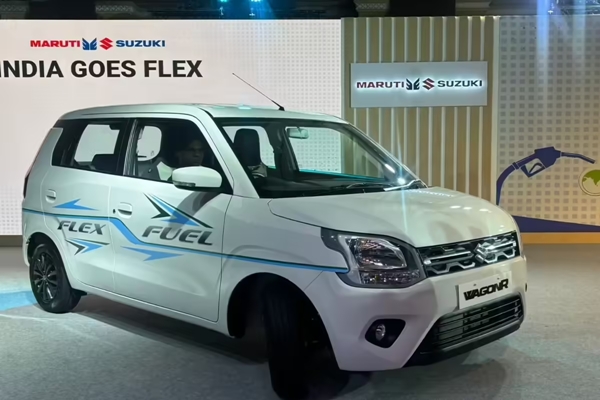
India's automotive industry is on the brink of a significant transformation with the introduction of flex-fuel vehicles. Maruti Suzuki has taken a pioneering step by launching its first flex-fuel car, the Wagon R, marking a pivotal moment in India's journey towards energy independence and sustainability.
Why Flex-Fuel Now?
The push for flex-fuel vehicles aligns with India's dual objectives of reducing crude oil imports and cutting carbon emissions. Hisashi Takeuchi, MD and CEO of Maruti Suzuki India, emphasized the importance of energy security and the need to reduce reliance on imported crude oil. The flex-fuel technology not only supports these goals but also benefits farmers and ethanol producers, contributing to the rural economy.
"Flex-fuel meets both. It is truly Atmanirbhar and clean," said Takeuchi, highlighting the technology's potential to support import reduction and emissions cuts.
Government Support and Infrastructure
The Indian government is actively promoting the transition to biofuels. Nitin Gadkari, Union Minister, stated that India could become an energy exporter by advancing ethanol, hydrogen, and sustainable aviation fuel projects. Hardeep Singh Puri, Petroleum Minister, announced plans to roll out 50–100 ethanol fuel stations across major cities, expanding to 5,000 by 2027.
| Initiative | Current Status | Target |
|---|---|---|
| Ethanol Blending | 20% | 5,000 stations by 2027 |
| Fuel Import Reduction | Rs 22 lakh crore annually | Significant decrease |
The Road Ahead
Mass adoption of flex-fuel vehicles will require a coordinated effort across various stakeholders, including fuel availability, pricing, and infrastructure development. Maruti Suzuki's launch of the Wagon R flex-fuel model is a significant step, but broader collaboration with oil marketing companies and ethanol producers is essential for large-scale rollout.
Production Timeline
The rollout of flex-fuel vehicles and supporting infrastructure is expected to gain momentum, with significant developments anticipated by 2027. The Indian government's commitment to expanding ethanol fuel stations and increasing ethanol blending levels will play a crucial role in this transition.