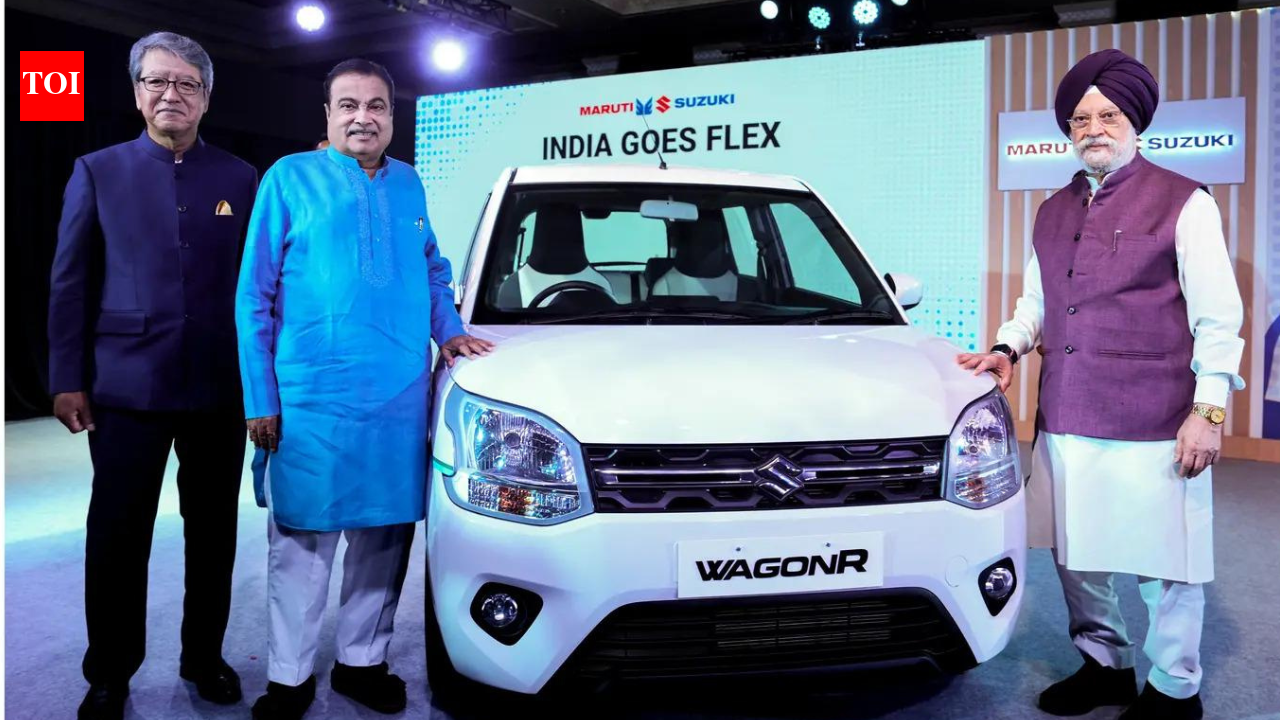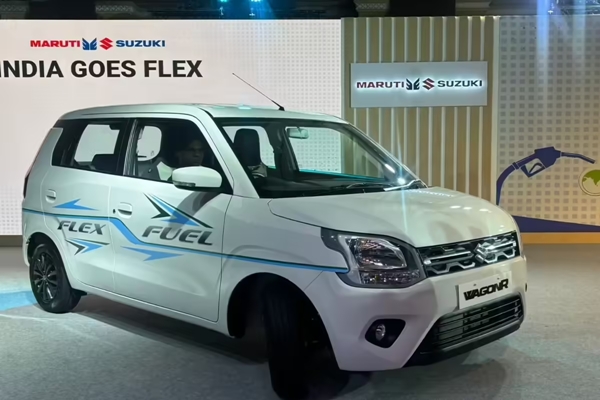
India has taken a significant step in its automotive manufacturing sector with the launch of its first flex-fuel passenger vehicle by Maruti Suzuki in New Delhi. This development is poised to transform the country's energy landscape by enabling vehicles to operate on ethanol-petrol blends ranging from E20 to E100.
A Strategic Move Towards Energy Transition
The introduction of flex-fuel technology is not just a product launch but a strategic move towards a sustainable energy transition. Union Minister for Petroleum and Natural Gas Hardeep Singh Puri emphasized the potential of this technology to multiply the impact of ethanol-based mobility. He stated, "The large-scale adoption of flex-fuel technology can significantly enhance India's energy security and self-reliance."
"The milestone aligns with the vision of Prime Minister Shri Narendra Modi for clean, sustainable, and self-reliant mobility," noted Union Minister for Road, Transport and Highways Nitin Gadkari.
Economic and Environmental Impact
The flex-fuel initiative is expected to bring about substantial economic and environmental benefits:
- Reduction in emissions: Flex-fuel vehicles can significantly lower emissions, contributing to a cleaner environment.
- Decrease in crude oil imports: By reducing dependency on crude oil, India can save foreign exchange worth 1.44 lakh crore rupees.
- Support for farmers: The initiative will boost biofuel adoption, providing additional income streams for farmers.
- Employment generation: The development of a flex-fuel ecosystem is anticipated to create numerous job opportunities.
Comparative Analysis
| Factor | Impact on India | Global Context |
|---|---|---|
| Emissions | Significant reduction | Varies by region |
| Crude Oil Import | Decrease by 1.44 lakh crore | High dependency reduction |
| Employment Opportunities | Increase | Varies by adoption rate |
Future Prospects
The launch of the flex-fuel vehicle is just the beginning. The Indian government, in collaboration with vehicle manufacturers, ethanol producers, and oil marketing companies, is working towards creating a robust ecosystem for cleaner mobility. This initiative is expected to accelerate in the coming years, with more manufacturers likely to adopt flex-fuel technology.
Production Timeline: The flex-fuel vehicles are expected to start rolling out to consumers by the end of 2026, marking a new chapter in India's automotive industry.