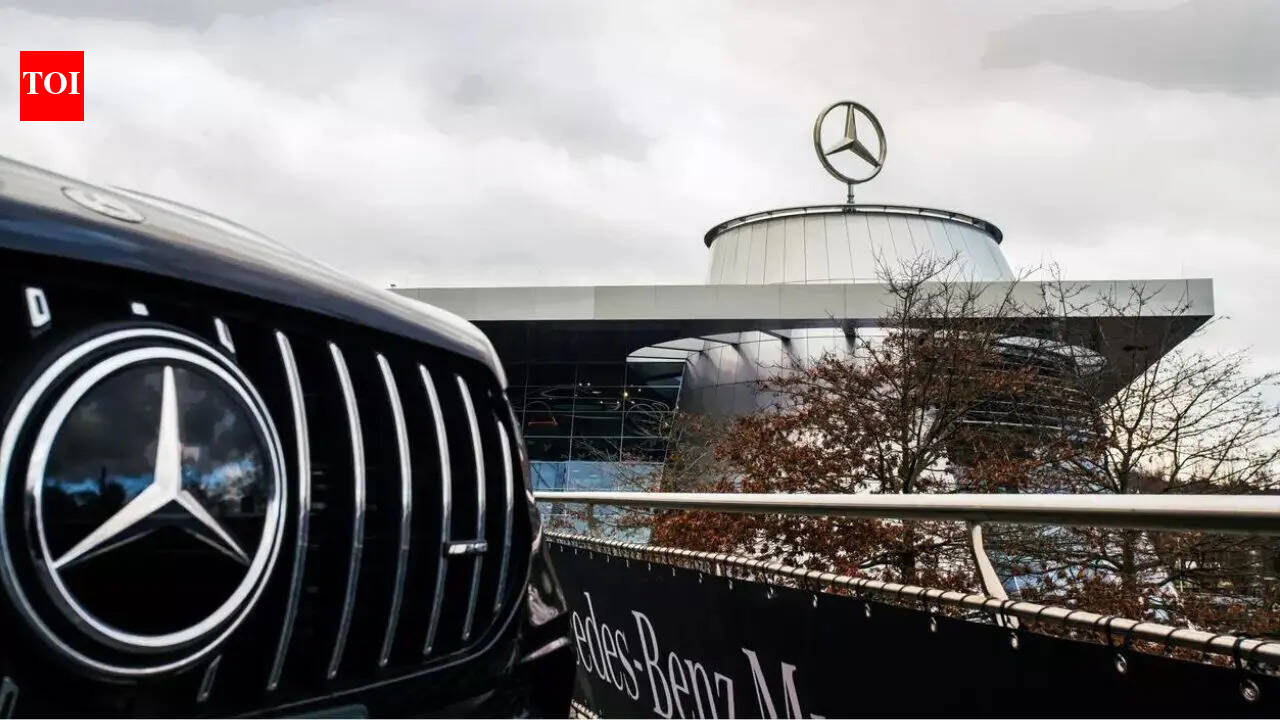
Mercedes-Benz will implement a fresh 1-2% price hike in India, the company's third increase in 2026, according to Business-Today. The move addresses exchange rate volatility and broader cost pressures linked to global conflicts, even as the luxury automaker introduces a new plug-in hybrid (PHEV) variant of its flagship S-Class.
Price Hike Rationale
Mercedes-Benz has taken a total of up to 4% price hikes through two rounds since January 2026, according to the report. The latest 1-2% increase is attributed to exchange rate volatility and war-related cost pressures. The company has moderated its growth expectation for the year, reflecting a cautious outlook amid persistent cost inflation.
| Hike Round | Timing | Magnitude | Reason |
|---|---|---|---|
| Round 1 | Jan 2026 | ~2% (part of total) | Cost pressures |
| Round 2 | Jan 2026 | ~2% (part of total) | Cost pressures |
| Round 3 (current) | Mid-2026 | 1-2% | Exchange rate volatility, war-related costs |
| Total | 2026 YTD | Up to 4% | – |
New Product Launch
On Monday, Mercedes-Benz launched its new plug-in hybrid version (PHEV) of the S-Class in India. It is the company's first such variant for the country. The S-Class PHEV is priced between Rs 2.2-2.4 crore (ex-showroom). Deliveries of the cars will start in Q4 (December quarter). The launch aims to widen consumer choice amid slow EV adoption in the luxury segment.
Implications for Automotive Manufacturing
The price hike signals ongoing cost inflation for imported components and materials, a common challenge for OEMs operating in India. According to the source, Mercedes-Benz is adjusting pricing to cope with exchange rate volatility and broader war-related cost pressures—factors that directly impact import-dependent manufacturing. The introduction of a PHEV variant reflects strategic adaptation to market demand for electrified options without full battery-electric commitment.
For procurement professionals and plant managers, the price increase underscores the need to monitor currency fluctuations and geopolitical risks in supply contracts. The company's moderated growth expectation suggests cautious capacity planning for the near term.
"Mercedes-Benz is set to take a fresh 1-2% price hike in India to cope with exchange rate volatility and broader war-related cost pressures even as it is pushing a new variant of its top-end S-class model into the market." – As reported by Business-Today
Production Timeline
The fresh price hike will take effect upon announcement (timing not specified), while the new S-Class PHEV deliveries begin in Q4 2026. Total price increases for 2026 stand at up to 4%.
Sources: