Toyota is investing $3.6 billion to double the size of its San Antonio, Texas, manufacturing campus, adding a second assembly line that will shift production of the popular Tacoma pickup from Baja California, Mexico, according to a news release reported by FreightWaves. The expansion will add approximately 2.5 million square feet and create 2,000 new jobs, bringing total employment to about 6,000 workers once complete, with 23 on-site suppliers continuing to support the facility. The project raises Toyota’s total investment in the San Antonio complex to $8.3 billion since construction began in 2003.
Production Shift Timeline and Capacity
The transition from Toyota Motor Manufacturing Baja California in Tijuana will occur gradually over approximately four years, with the expanded San Antonio facility expected to be fully built out by 2030. The new line will join existing production of the Tundra and Sequoia models at the San Antonio complex. FreightWaves reported that Toyota said the move is part of a broader strategy to reshape its manufacturing footprint amid evolving trade policies and USMCA uncertainty.
Mexico’s Response and Continued Commitment
Mexican officials moved quickly to reassure workers and investors. Mexico’s Ministry of Economy stated that production at the Baja California facility will be phased out through 2030 rather than ending abruptly, and that Toyota will continue operating its Guanajuato plant, which directly employs about 2,800 workers. The ministry also noted that another automaker is expected to announce a new investment exceeding $500 million across the country. Baja California Gov. Marina del Pilar Ávila Olmeda said Toyota is not abandoning the state and that only one production line will be transferred over several years. State labor officials reported approximately 2,800 jobs at the Tijuana-area plant are not currently at risk.
| Facility | Current Production | Future Production | Jobs | Timeline |
|---|---|---|---|---|
| San Antonio, TX | Tundra, Sequoia | + Tacoma | ~6,000 (after expansion) | Full build-out by 2030 |
| Baja California, MX | Tacoma | Phased out | ~2,800 (not at risk) | Phase-out through 2030 |
| Guanajuato, MX | Other models | Continues | ~2,800 | Ongoing |
Cross-Border Freight and Supply Chain Implications
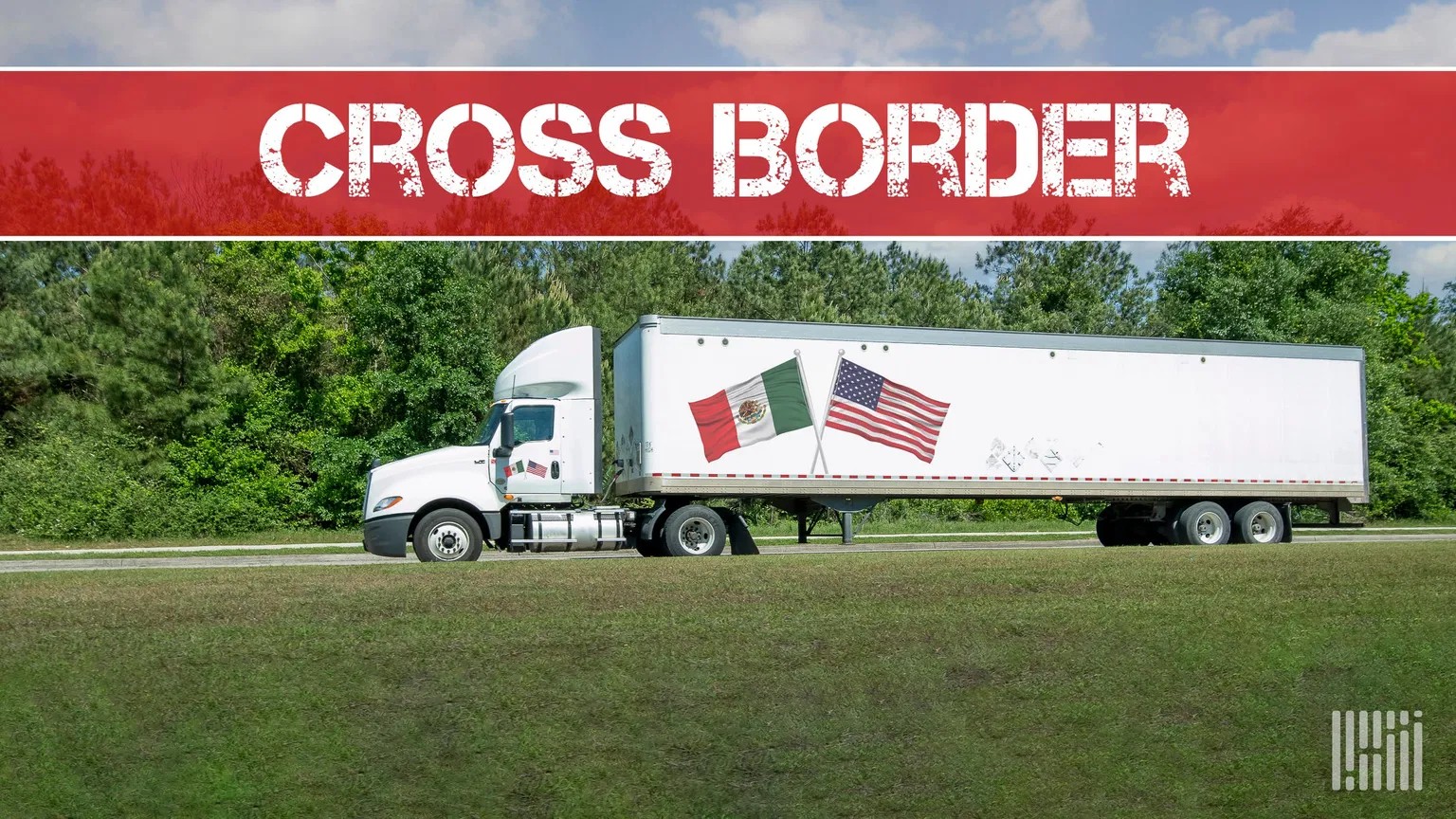
The production shift comes as cross-border freight demand between the U.S. and Mexico is projected to grow. A market forecast from ResearchAndMarkets.com cited by FreightWaves projects cross-border freight demand to increase from $91.1 billion in 2025 to $119.4 billion by 2031, driven by nearshoring, regional manufacturing investment, and expanding e-commerce, even as tariffs and evolving trade rules reshape supply chains. Toyota stated that it "remains committed to its operations throughout the U.S., Canada and Mexico," while encouraging a resolution to the ongoing USMCA review to strengthen the region’s global competitiveness.
RJW Logistics Expands Dallas-Area Footprint
In a separate manufacturing-related logistics expansion, RJW Logistics Group has acquired a 904,495-square-foot warehouse in Forney, Texas, adding to its greater Dallas-area presence. The facility will serve approximately 100 consumer packaged goods customers and provide retail consolidation, labeling, packaging, barcoding and retailer-ready order preparation. The acquisition increases RJW’s Southern U.S. warehouse network to more than 2.6 million square feet and supports about 1,000 jobs across Texas. The company said the warehouse will use real-time inventory visibility, demand forecasting and AI-powered predictive analytics. RJW entered the Dallas market in 2023 and specializes in retail logistics and less-than-truckload consolidation for CPG suppliers.
For manufacturing executives and supply chain professionals, the Toyota move underscores the ongoing reconfiguration of North American automotive production as companies balance trade policy risk, labor costs, and proximity to end markets. The gradual transition over four years provides time for suppliers and logistics providers to adjust, while continued investment in Mexico by other automakers signals the region remains a critical production hub.
Sources: