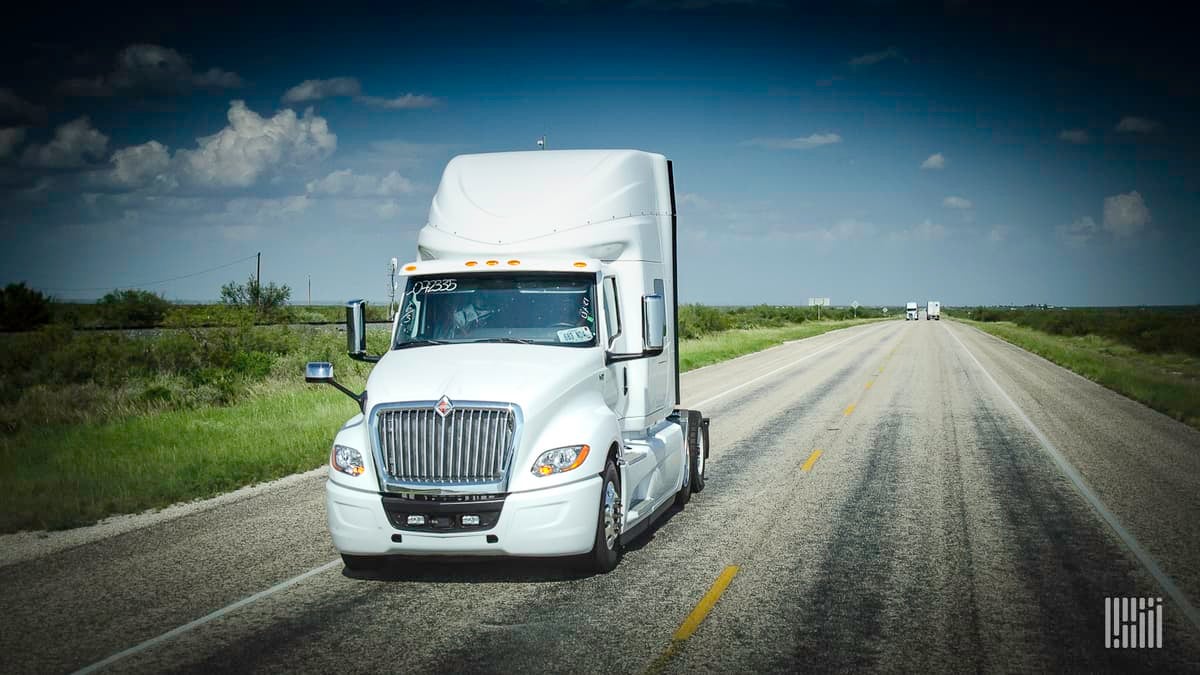
A Michigan federal jury has sided with engine and truck manufacturer Navistar, rejecting a $16.5 million lawsuit brought by GLS LeasCo and Central Transport over delayed deliveries of 1,100 International tractors. The 10-person jury found on Monday that the plaintiffs failed to prove their breach of contract and fraud claims, awarding no damages.
The Verdict
According to FreightWaves, the jury concluded Navistar was not liable for the alleged losses. The plaintiffs, GLS LeasCo and Central Transport, had sought approximately $16.5 million in damages tied primarily to lost used-truck resale values and increased operating expenses. As of the verdict, GLS and Central Transport had not publicly indicated whether they intend to appeal.
The Dispute Over Delivery Timelines
The case centered on a 2022 agreement under which GLS agreed to purchase 1,100 model-year 2023 International tractors after waiving a lucrative trade-in arrangement covering its older fleet. GLS argued it made that concession because Navistar promised an accelerated production schedule that would allow it to capitalize on historically high used-truck prices before the market cooled.
Instead, GLS alleged Navistar delivered only 18 new tractors by the end of May 2022, with deliveries stretching into September 2023. According to the lawsuit, the delays caused the value of the company’s 2018 tractors to plunge more than 75%, resulting in approximately $15.7 million in lost resale value, plus more than $1 million in additional maintenance and repair costs.
GLS LeasCo purchases trucks and leases them to Warren, Michigan-based carrier Central Transport, which specializes in less-than-truckload shipping and operates a fleet of over 2,200 tractors and 8,500 trailers across more than 200 terminal facilities in the U.S. and Canada.
Supply Chain Disruptions and Legal Arguments
Navistar denied the allegations throughout the case, arguing the 2022 letter agreement established production slots rather than guaranteed delivery dates. The company maintained there was an important distinction between when trucks were built and when they were ultimately delivered. The manufacturer further argued it had informed GLS that production would extend beyond the original timeline because of industrywide supply-chain disruptions, including shortages of Bendix Fusion collision mitigation components.
The lawsuit was filed in 2023 after U.S. District Judge Mark Goldsmith previously allowed the core breach-of-contract claims to proceed toward trial while narrowing portions of the plaintiffs’ fraud allegations. In a 2025 opinion, the court ruled factual disputes surrounding the parties’ agreements and production schedule were best resolved by a jury rather than through summary judgment.
| Key Facts | Details |
|---|---|
| Plaintiffs | GLS LeasCo and Central Transport |
| Defendant | Navistar |
| Claimed Damages | ~$16.5 million ($15.7M lost resale value + $1M+ maintenance) |
| Tractors Ordered | 1,100 International model-year 2023 |
| Delivered by May 2022 | 18 tractors |
| Final Deliveries | Extended into September 2023 |
| Verdict | Not liable; $0 awarded |
Impact on the Plaintiffs
Central Transport, which maintains a network of equipment including over 1,700 additional support units, had contended the earlier production schedule was the key consideration behind the revised agreement. The companies argued it would allow them to retire and sell hundreds of used tractors while prices remained elevated during the pandemic-era supply crunch. The jury’s decision leaves the plaintiffs without compensation for the claimed losses, though they may pursue an appeal.
This verdict underscores the challenges OEMs face in balancing contractual commitments with real-world supply chain disruptions. For manufacturing executives and procurement professionals, the case highlights the importance of precise language in production slot agreements versus guaranteed delivery dates, especially in an environment of component shortages and logistics delays.
Sources: