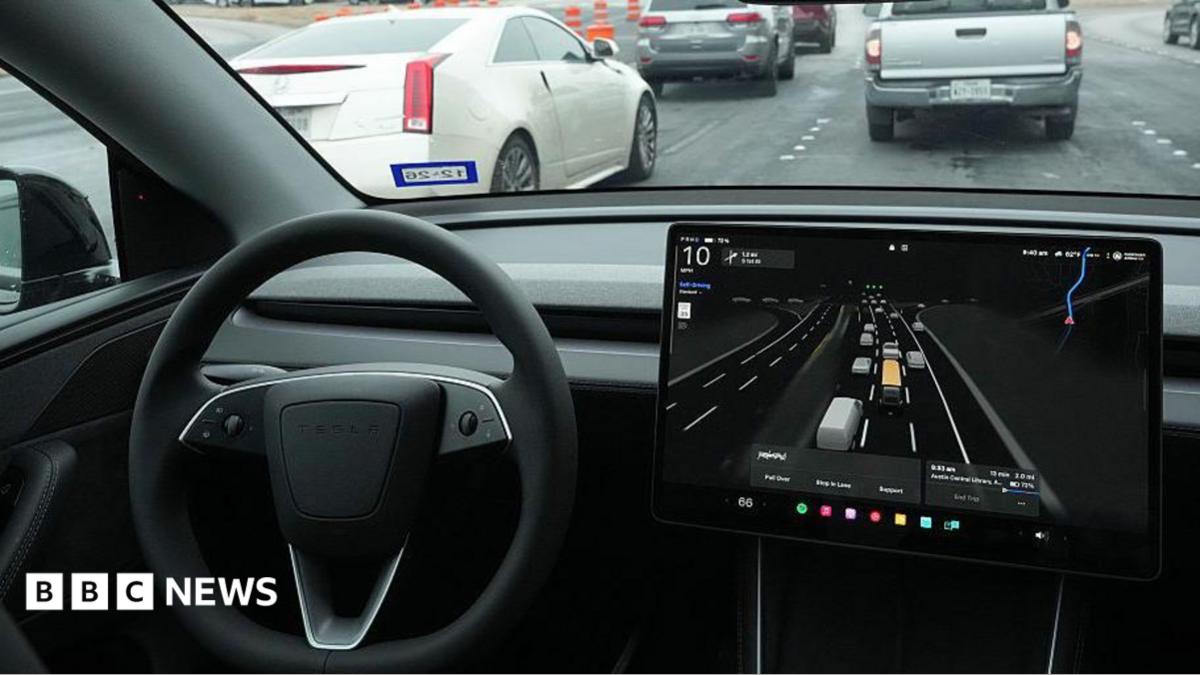
The National Highway Traffic Safety Administration (NHTSA) has opened a Special Crash Investigation into a fatal crash involving a Tesla that drove into a home in Texas on 19 June, according to a BBC report. A woman in the house was severely injured and later died. The driver, who was not intoxicated, claimed the Tesla was operating with an automated driving assistance system at the time of the crash.
Incident Details
The crash occurred on 19 June in Texas, according to local police. A man driving a Tesla sped off the road and struck a home. A woman inside the residence sustained severe injuries and died as a result. Police reported that the driver was not intoxicated, but he stated that his vehicle was operating with “an automated driving assistance system.”
Investigation Status
NHTSA confirmed on Monday that it has initiated a Special Crash Investigation into the incident. An agency spokesperson stated, “NHTSA is launching a Special Crash Investigation into this crash.” According to NHTSA’s website, a Special Crash Investigation is the most “in-depth and detailed” form of inquiry the agency conducts.
Tesla’s Response
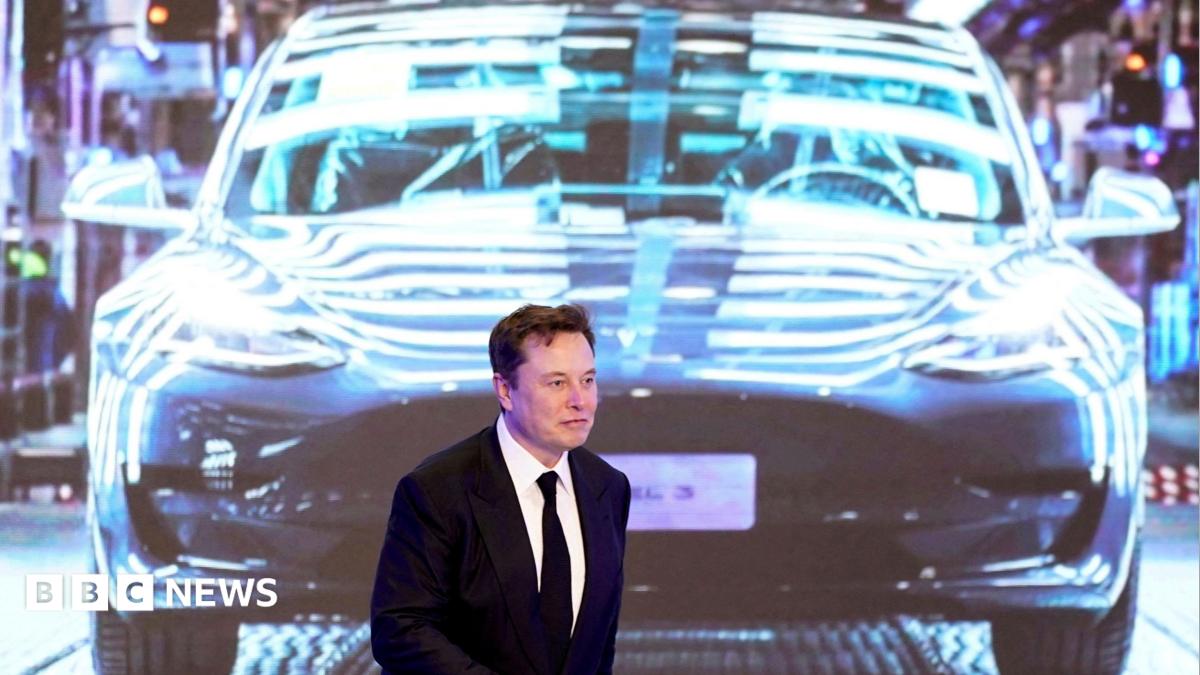
A representative of Tesla, owned by Elon Musk, did not respond to a request for comment on the crash or the investigation, the BBC reported.
Incident Overview Table
| Aspect | Detail |
|---|---|
| Date | 19 June 2026 |
| Location | Texas, United States |
| Vehicle | Tesla (model not specified) |
| Fatalities | 1 (woman in the home) |
| Driver condition | Not intoxicated |
| Automated system | Driver claimed “automated driving assistance system” |
| Investigation | NHTSA Special Crash Investigation (opened 22 June 2026) |
Implications for Automotive Manufacturing
A Special Crash Investigation involves detailed analysis of vehicle systems and crash circumstances, according to the BBC. For automotive manufacturers and suppliers of automated driving technologies, such investigations can lead to regulatory changes or tighter safety standards. While no timeline for the investigation’s completion has been announced, its findings may affect how automated driving systems are designed, tested, and deployed in production vehicles. The outcome could influence the automotive industry’s approach to integrating autonomous features in new models, with potential implications for factory testing protocols and quality assurance processes.
Sources: