The US auto safety regulator is investigating a fatal Tesla crash in Texas that killed a 76-year-old woman, according to a BBC News report. The National Highway Traffic Safety Administration (NHTSA) opened a formal inquiry on Monday into the 19 June accident in which a Tesla Model 3 left the roadway and struck a residence. The driver told investigators the vehicle was operating with an automated driving assistance system, police said.
Crash Details
The crash occurred around 20:00 local time on Friday, 19 June, in Harris County, Texas, according to a police report cited by BBC. The driver of a Tesla Model 3 "failed to drive in a single lane, left the roadway, and struck the residence," the report stated. Sergeant Alex Turman of the Harris County Sheriff's Office said in a statement that the vehicle "failed to turn right at an intersection and, at a high rate of speed, crashed directly into a house." The driver was not intoxicated, police noted.
The 76-year-old woman who was inside the home was struck and later died of her injuries. Her daughter, who discovered her mother after the crash, told a local CBS affiliate: "My mum was such a caring woman." The woman lived with her daughter, son-in-law, and their three children, all of whom were home at the time.
NHTSA Investigation
"NHTSA is launching a special crash investigation into this crash," an agency spokesperson told BBC. According to NHTSA's website, such a special investigation is the most "in-depth and detailed" form of inquiry the agency conducts. It is separate from the local police investigation and often covers emerging vehicle technologies to gather data that can improve safety performance. While not intended to immediately penalise a manufacturer, it can lead to safety recalls or other actions.
Police are evaluating the driver's claim that an automated driving system was in use. "We're still evaluating what caused the car to fail to control its speed just before this crash," Sergeant Turman said.
Automated Driving Technology Concerns
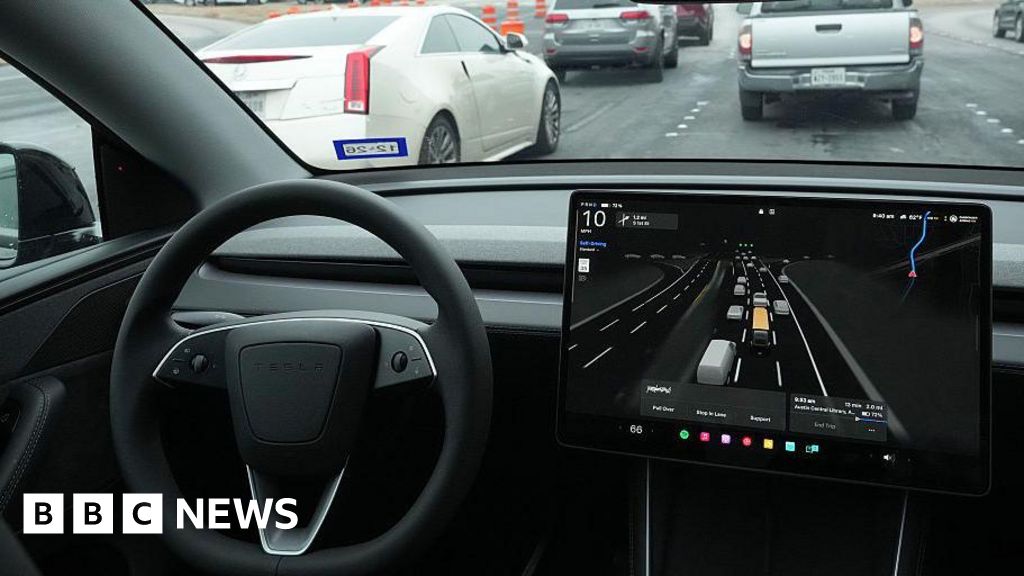
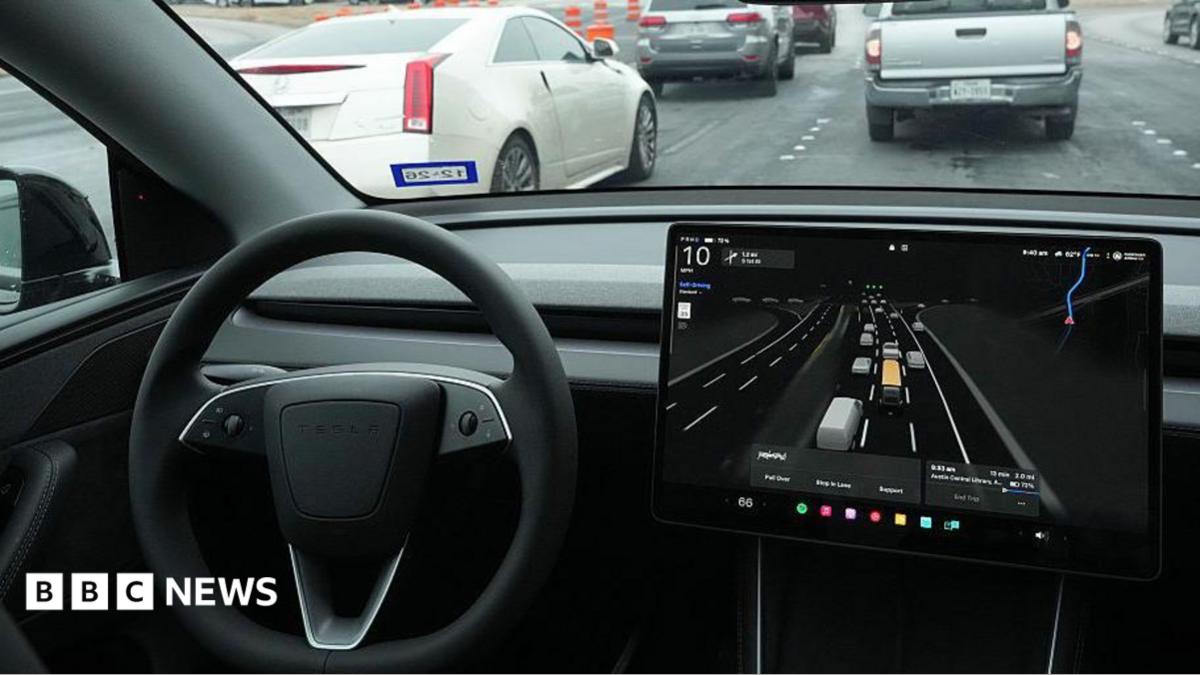
Tesla refers to its automated driving technology as "full self-driving (assisted)." BBC noted that the technology has been criticised as misleading in its abilities. Earlier this year, NHTSA expanded an investigation into the technology over its potentially poor performance in inclement weather.
Last week, Democratic Senators Edward Markey and Richard Blumenthal sent a letter to NHTSA demanding an investigation into Tesla's FSD technology for safety risks. "Tesla has claimed its FSD technology is safer than human driving, but the claims are based on misleading data analysis, such as comparing unlike crash outcomes, comparing new vehicles to the entire US vehicle fleet, and relying on incomplete crash data," the senators wrote, according to BBC. They urged the agency to require more information from car companies using autonomous driving systems.
| Key Fact | Detail |
|---|---|
| Crash Date | 19 June 2026 |
| Location | Texas, US (Harris County) |
| Vehicle | Tesla Model 3 |
| Victim | 76-year-old woman inside home |
| Driver Claim | Automated driving system engaged |
| Regulator Action | NHTSA special crash investigation |
Implications for Automotive Manufacturing
While the investigation is focused on the specific incident, it underscores the regulatory scrutiny surrounding automated driving systems. Automotive manufacturers and their suppliers—including Tier-1 and Tier-2 electronics and software providers—face potential compliance and liability implications as NHTSA gathers data that could lead to safety recalls or design changes. Manufacturing executives should monitor this investigation closely, as outcomes may affect production specifications and testing protocols for advanced driver-assistance systems (ADAS).
Sources: