The global natural sweeteners market is projected to grow from approximately USD 24.7 billion in 2023 to nearly USD 45.1 billion by 2033, registering a compound annual growth rate (CAGR) of around 7.4 per cent from 2026 to 2033, according to a report in The Hindu Business Line. This expansion is driven by shifting consumer priorities toward healthier, clean-label ingredients that deliver nutritional benefits without compromising on taste.
Market Growth and Regional Trends
The Asia-Pacific region is expected to remain the fastest-growing market for natural sweeteners, fueled by rapid urbanization, high disposable income levels, and increased consumer awareness of healthy living and diabetes. Manufacturers across the region are reformulating products to meet the demand for naturally derived sweeteners that do not spike glycemic index.
| Metric | Value |
|---|---|
| Market value (2023) | USD 24.7 billion |
| Projected value (2033) | USD 45.1 billion |
| CAGR (2026–2033) | 7.4% |
Monk Fruit as a Key Ingredient
Within the natural sweetener landscape, monk fruit is emerging as one of the most promising alternatives to refined sugar. It provides sweetness without calories and does not increase glycemic index, making it a preferred choice for people managing diabetes or following low-sugar lifestyles. The article notes that monk fruit's clean-label appeal, functional benefits, and ongoing improvements in taste and mouthfeel have positioned it as a leading sugar substitute in modern food and beverage formulations.
Technological Advancements in Taste Improvement
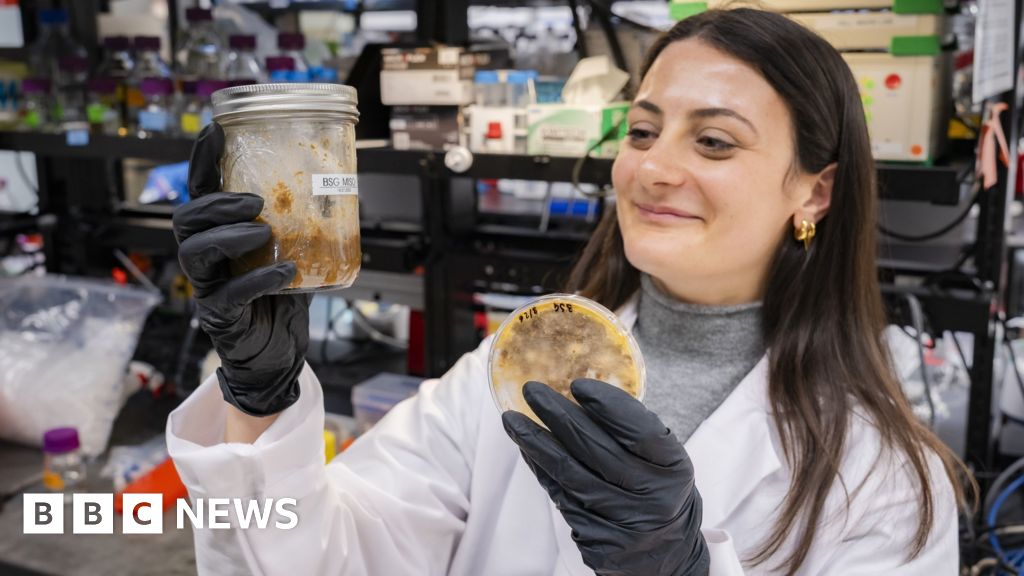
One major barrier to adoption of natural sweeteners has been replicating the taste and mouthfeel of sugar. According to the source, technological advancements in food science have helped overcome these challenges. Precision fermentation now allows manufacturers to produce natural sources of sweetness more effectively and consistently. Additionally, blending several natural sweeteners—including monk fruit with other plant-derived ingredients—has become common practice to create balanced sweetness profiles while overcoming aftertaste challenges. These advancements have also improved the use of monk fruit by reducing the lingering aftertaste often associated with natural sweeteners.
Expanding Applications Across Industries
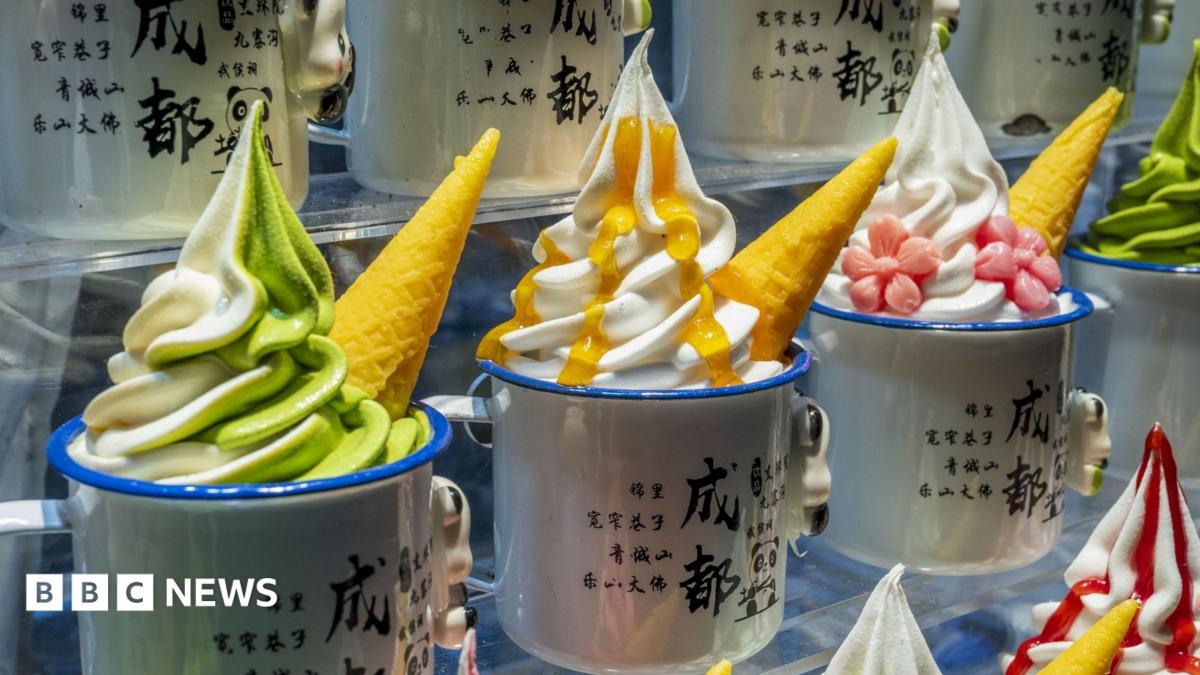
The use of natural sweeteners is no longer restricted to beverages or tabletop applications. According to the article, their use has expanded to include dairy products, bakery products, confectionery, cereals, functional foods, nutraceuticals, pharmaceuticals, and personal care products. Monk fruit is also finding wider application in reduced-sugar snacks and wellness-focused products. This broadening of applications is driving further innovation in food manufacturing as companies reformulate to meet consumer expectations for healthier, better-for-you alternatives.
For manufacturing executives and plant managers, the shift toward natural sweeteners like monk fruit presents opportunities in ingredient sourcing, formulation changes, and process adaptation. The growing market and technological advances in precision fermentation and blending will likely continue to influence production lines and product development strategies in the food processing industry.
Sources: