Three million refrigerators, a market capitalisation of around £8bn and a research centre near Bedford in the UK sit behind The Magnum Ice Cream Company, the world's largest publicly listed ice cream maker, according to BBC Business. Spun off from parent firm Unilever last year, the company is deploying AI-equipped fridges and more efficient freezers to defend margins against what one analyst calls five years of price instability driven by war in Ukraine, Covid, the cost of living crisis and, now, the Strait of Hormuz.
Why Now: Price Volatility Across the Ice-Cream Supply Chain
Ice cream manufacturing is battling a notoriously unpredictable market and fluctuating commodity and energy prices, BBC Business reported. Georgia Rose, principal analyst at global market research company Kantar Retail IQ, said: "We've had five years of price volatility impacted by war in Ukraine, Covid, the cost of living crisis. We've now got the Strait of Hormuz. We've just been in this constant state of instability when it comes to pricing."
Those fluctuations hit multiple areas of the production process. According to Rose, manufacturers have been squeezed by higher prices for dairy, cream and eggs — the ingredients that make ice-cream bases — as well as flavours such as vanilla, chocolate, sugar and fruit. She also highlighted a frequently overlooked cost: "the cold-chain energy costs and storage."
| Cost pressure area | Impact on ice-cream manufacturers |
|---|---|
| Dairy, cream, eggs | Raise the cost of ice-cream bases |
| Vanilla, chocolate, sugar, fruit | Raise flavour ingredient costs |
| Cold-chain energy and storage | Often-forgotten energy and storage costs |
Automation in the Cold Chain: AI Cameras and 40% More Efficient Freezers
Rising costs are a key battleground for The Magnum Ice Cream Company, which owns the Cornetto, Twister, Solero and Magnum brands. As the largest stock market-listed ice cream company in the world, it has the funds to innovate. One area under constant development is refrigeration. Magnum owns three million fridges globally, designed and built by a third party, and some are fitted with cameras that upload images to data centres, BBC Business reported.
From the pictures, artificial intelligence identifies each product and is trained in depth-recognition, allowing it to estimate how many units of a particular ice cream have been sold and when a fridge needs restocking. That translates to less empty shelf space and more targeted supplies. Meanwhile, the fridges themselves have been made more energy efficient.
If you look at the freezers we had in 2010, the ones we have now are 40% more efficient. Will we ever be able to absorb every shock? I can't say, but it's definitely one way of making the business long-term resilient.
— Zbigniew Lewicki, chief research, design & innovation officer, The Magnum Ice Cream Company
Lewicki told BBC Business that such innovations are crucial to the bottom line, not just a nice-to-have.
Product Innovation: Glow-in-the-Dark Lollies and Asian Trends
Fridge technology may be invisible to consumers, but new products are not. At Magnum's R&D centre near Bedford, researchers dream up new recipes and develop production processes. One attention-grabbing creation is a glow-in-the-dark ice lolly launched in the clubbing capital of Ibiza, targeted toward clubbers and festival-goers. One of its ingredients, vitamin B2, is naturally luminescent and glows under UV club lights.
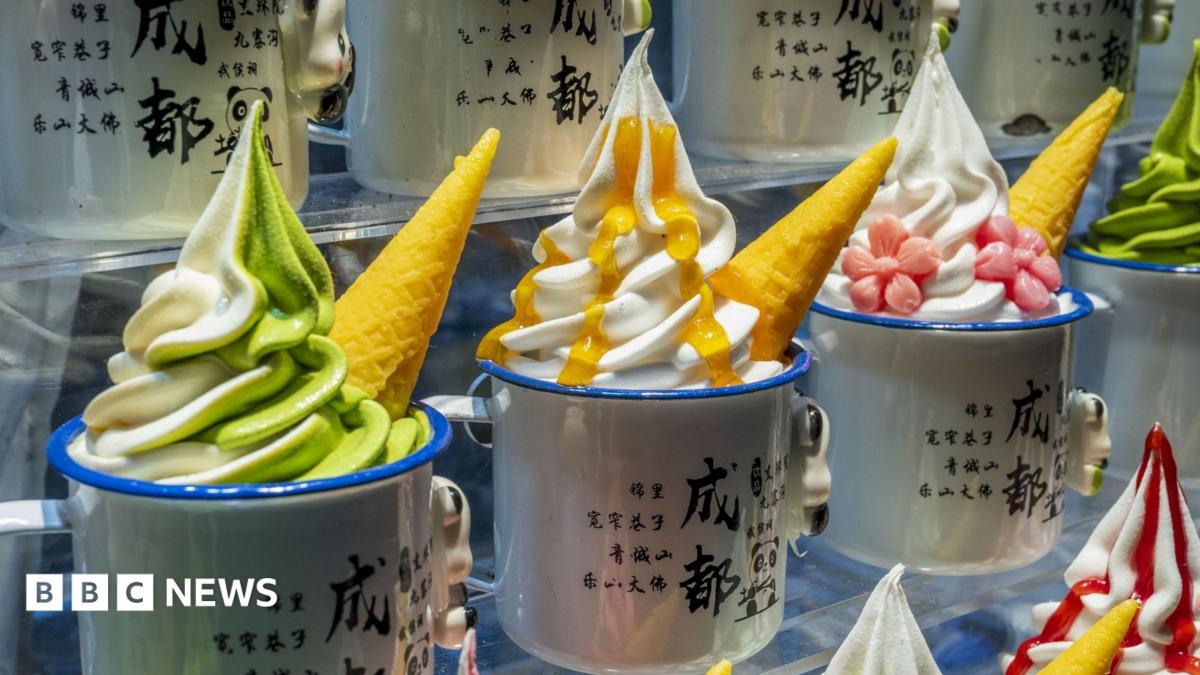
When it comes to innovation, a lot of attention is turning to Asia, according to Lewicki. "The inspiration and trends come from the East," he said, in a comment that BBC Business noted was cut off but pointed to Asia leading ice cream innovation. The article also included a photo of colourful ice creams in a shop window in Chengdu, China, illustrating that pull.
Competitive Landscape: Froneri, Baskin-Robbins and Artisan Makers
Magnum faces tough competition from other giants including Häagen-Dazs owner Froneri and Baskin-Robbins, the world's largest chain of ice cream specialty shops, not to mention smaller artisan ice cream makers that are popping up all the time, BBC Business reported. All are dealing with the same unpredictable market and fluctuating commodity and energy prices. No one can afford to stand still, the article said.
The company's £8bn market capitalisation and global scale give it the resources to invest in automation and R&D that smaller rivals may lack. The combination of AI-driven restocking, energy-efficient freezers and novel product development is central to Magnum's strategy for long-term resilience in a sector where input costs remain in constant flux, according to the BBC Business report.
Sources: