Haleon, the UK-based consumer health company formerly known as GSK Consumer Healthcare, will invest approximately Rs 2,000 crore (£175 million) to establish its first manufacturing facility in India and South Asia, according to a report by Business Today. The greenfield facility at Pithampur (Madhya Pradesh) is expected to be operational within two to three years and will expand local production, enhance supply resilience and support future growth for the company’s fast-growing Indian business.
Investment and Strategic Rationale
The investment follows Haleon’s recent capacity expansion in China and underscores the rising importance of emerging markets, which account for about 35% of Haleon’s business but contribute more than half of its growth, the company said. Global CEO Brian McNamara told Business Today that India is one of Haleon’s fastest-growing markets and the world’s second-largest oral health market. He expects India to become one of the company’s top three or four markets globally over the next few years, citing sustained double-digit growth and “significant headroom for expansion.”
Currently, India ranks in the lower half of Haleon’s top-10 markets, with the US and China being its largest. Haleon’s global board is visiting India for the first time this week, reflecting the market’s rising strategic importance.
Brand Portfolio and Market Position
Haleon produces major consumer health brands including Sensodyne, Crocin, Eno, Centrum and Otrivin. At present, the company relies on third-party contract manufacturers for its Indian production. The India oral care market is valued at £1.8 billion, and Haleon holds a market share of over 70%, according to McNamara. “Oral care will continue to be Haleon's biggest focus,” he said, followed by wellness brands (Eno and Centrum) and the OTC portfolio (Crocin, Otrivin).
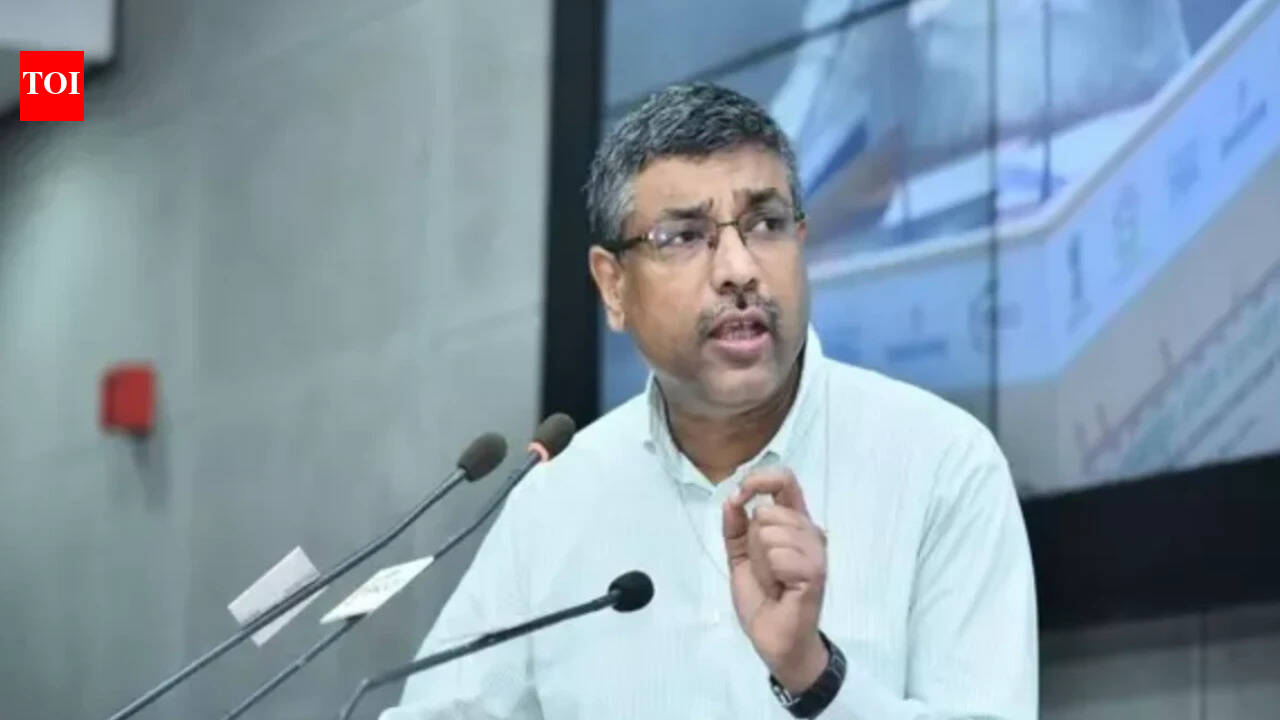
Kedar Lele, president of Haleon India subcontinent, said: “Over the next three to four years, these represent a multi-billion-pound market opportunity, where we can capture significant share and deliver a strong double-digit CAGR.”
Market Opportunity Breakdown
The company sees its Indian business spanning three key categories. The table below summarises Haleon’s focus areas and market potential:
| Category | Brands | Market Opportunity |
|---|---|---|
| Oral Care | Sensodyne | £1.8 billion market, >70% share |
| Wellness | Eno, Centrum | Multi-billion-pound opportunity |
| OTC | Crocin, Otrivin | Significant share capture potential |
Production Timeline and Implications
- Investment: Rs 2,000 crore (£175 million)
- Location: Pithampur, Madhya Pradesh, India
- Expected completion: 2–3 years (by 2028–2029)
- Current production: 100% outsourced to contract manufacturers
- Strategic goal: Reduce reliance on third parties, build local supply resilience
The new facility will strengthen Haleon’s supply chain for India and potentially serve neighbouring South Asian markets. For industrial executives and procurement professionals, the project signals an ongoing trend of pharma and consumer health companies localising production in high-growth markets to mitigate supply risks and capture tariff advantages. With India’s oral care market already dominated by Haleon brands, vertical integration through captive manufacturing can improve cost control and shorten lead times — key considerations for factory planners and automation decision-makers.
By shifting from contract manufacturing to in-house production, Haleon follows a path similar to other multinationals seeking greater control over quality, capacity and costs in the region. The plant will likely require significant investments in automation and packaging lines to handle high-volume oral care and OTC products. Industry observers will watch for equipment orders and technology choices as the project moves from announcement to execution.
Sources: