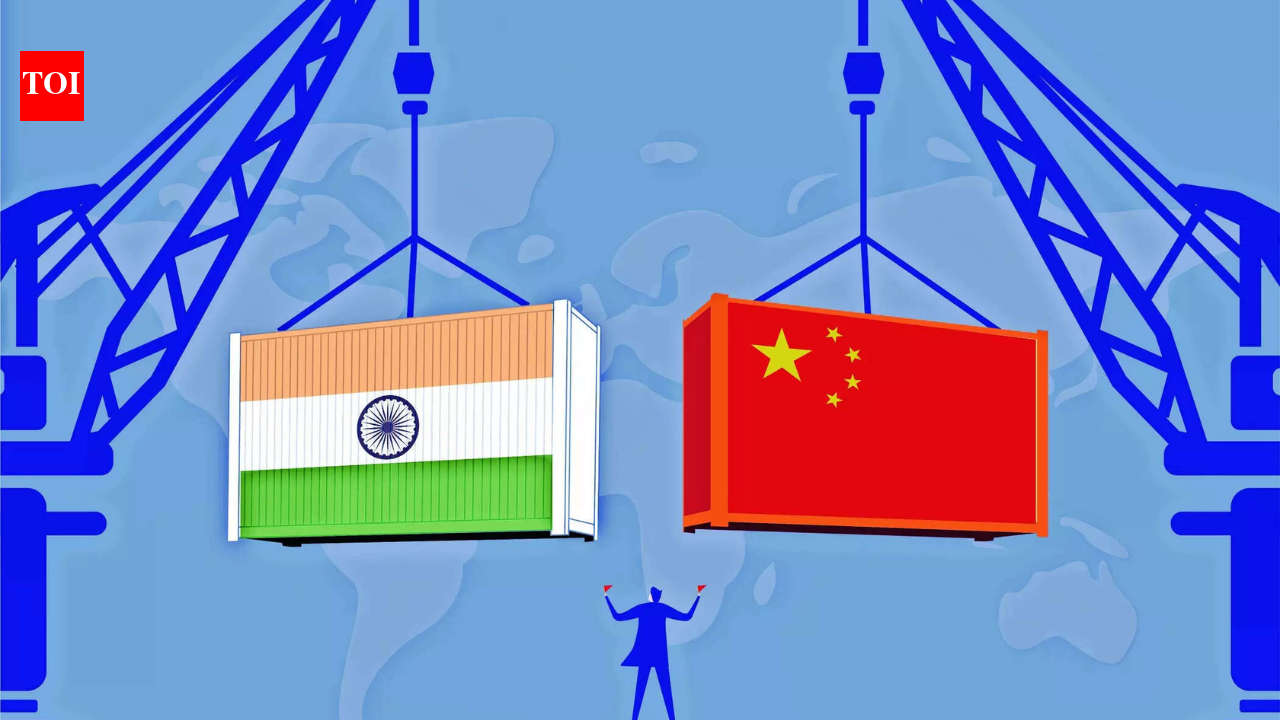
Three Indian manufacturers of air-cooled condenser (ACC) systems have called on the government to review an exemption that allows Chinese firms to supply ACC units for thermal power projects, according to a report by Shilpa Samant in the Economic Times.
What changed: the rule
The controversy stems from the government's decision in March to exempt ACC systems from registration under Rule 144(xi) of the General Financial Rules, 2017, for the sourcing of 21 critical inputs by Bharat Heavy Electricals Ltd (BHEL). Rule 144(xi) normally requires government procurement from companies based in countries sharing a land border with India to undergo additional scrutiny on defence and national security grounds. The exemption effectively removes that restriction for these specific inputs, enabling BHEL to procure ACC systems from Chinese suppliers without prior approval.
Who is affected
The exemption directly impacts three domestic ACC manufacturers that have written to the Prime Minister's Office (PMO), the power ministry, and the Department for Promotion of Industry and Internal Trade (DPIIT). The companies are:
- Paharpur Cooling Towers
- Enexio Power Cooling
- Holtec Asia
These firms argue that the exemption comes at a critical time. India plans to add 80 GW of thermal power capacity, which is expected to require nearly 100 ACC units over the coming years. ACC systems are used in dry-cooling systems at thermal power plants and are typically sub-contracted as part of larger engineering, procurement and construction contracts.
Compliance obligations and deadlines
The manufacturers are urging the government to invoke Clause 10(d) of the Make in India Order to safeguard India's strategic manufacturing capability in the ACC sector. Clause 10(d) allows the government to take reciprocal measures against countries that do not provide Indian companies fair and equitable access to public procurement opportunities. They argue that Indian manufacturers should not be disadvantaged by procurement access being extended to suppliers from China, where Indian companies do not receive fair and reciprocal access to public procurement.
According to a person familiar with the matter, competition from Chinese suppliers could discourage further investment and jeopardise the substantial investments already made in domestic manufacturing. The firms are seeking the PMO's intervention to review the exemption and consider a locally-made procurement framework for ACC systems.
Penalties for non-compliance
No specific penalties are detailed in the source. However, the invocation of Clause 10(d) of the Make in India Order could lead to reciprocal restrictions on Chinese public procurement in India.
Resources and guidance sources
- Regulatory bodies: PMO, power ministry, DPIIT, BHEL
- Industry associations: Not specified in the source
- Affected companies: Paharpur Cooling Towers, Enexio Power Cooling, Holtec Asia
- Key documents: Rule 144(xi) of the General Financial Rules, 2017; Make in India Order (Clause 10(d))
For trade compliance officers, export control managers, and legal counsel, the key takeaway is that the exemption opens a compliance gap. Companies involved in thermal power contracts should monitor whether BHEL's procurement under this exemption triggers any reciprocal trade policy measures. Customs brokers should track any changes to import licensing requirements for ACC systems from China. The planned 80 GW capacity addition represents a significant market opportunity, but the regulatory landscape may shift if the government responds to the manufacturers' request.
Sources: