iGEN
Visit IGEN World Explore IGEN Expo
EXPLORE UPGRADE PLANS
BREAKING
Werner Enterprises Posts Highest Revenue Per Truck Growth in One-Way Segment in a Decade CMA CGM and Stonepeak Launch United Ports LLC in $2.4 Billion Terminal Joint Venture UPS shift away from Amazon shows bigger payoff Lanesurf: 62% of Loads Get Vetted Carrier Offers Before Brokers Arrive India-China Border Trade Via Lipulekh Resumes Aug 1; China Permits 20 Traders Geopolitics Drives CMA CGM Q2 Profit Surge of 42% as Volumes and Rates Climb Benchmark Diesel Price Rises Third Week as Futures Plunge; Spread Hits Record Indian Government Limits Sugar Dealers to 400 Tonnes Stock Until November to Curb Hoarding Tenants signing longer leases for larger warehouses as 3PLs lock in capacity US stock market flat as S&P 500 and Dow barely move, Nasdaq slides over 1% on chip rout Werner Enterprises Posts Highest Revenue Per Truck Growth in One-Way Segment in a Decade CMA CGM and Stonepeak Launch United Ports LLC in $2.4 Billion Terminal Joint Venture UPS shift away from Amazon shows bigger payoff Lanesurf: 62% of Loads Get Vetted Carrier Offers Before Brokers Arrive India-China Border Trade Via Lipulekh Resumes Aug 1; China Permits 20 Traders Geopolitics Drives CMA CGM Q2 Profit Surge of 42% as Volumes and Rates Climb Benchmark Diesel Price Rises Third Week as Futures Plunge; Spread Hits Record Indian Government Limits Sugar Dealers to 400 Tonnes Stock Until November to Curb Hoarding Tenants signing longer leases for larger warehouses as 3PLs lock in capacity US stock market flat as S&P 500 and Dow barely move, Nasdaq slides over 1% on chip rout
Home ›› Supply Chain ›› Sc Risk ›› Indian Government Launches Multi-Pronged Plan to Boost Domestic Supply Chain Resilience

Indian Government Launches Multi-Pronged Plan to Boost Domestic Supply Chain Resilience

In response to disruptions from the West Asia war, the Indian government has initiated a series of measures to enhance domestic resilience. The plan includes identifying 100-150 items for import substitution, boosting green hydrogen and solar energy, reducing LPG reliance, and diversifying export markets. Ministries are implementing steps under PMO monitoring.

iG
iGEN Editorial
June 22, 2026
Indian Government Launches Multi-Pronged Plan to Boost Domestic Supply Chain Resilience

India's supply chain strategy is shifting toward self-reliance after the war in West Asia exposed critical vulnerabilities. Government departments have started work on a series of measures to increase domestic resilience and reduce vulnerabilities caused by shocks, whose frequency has increased in recent years, according to a report in the Times of India (TOI).

Import Substitution and Domestic Production

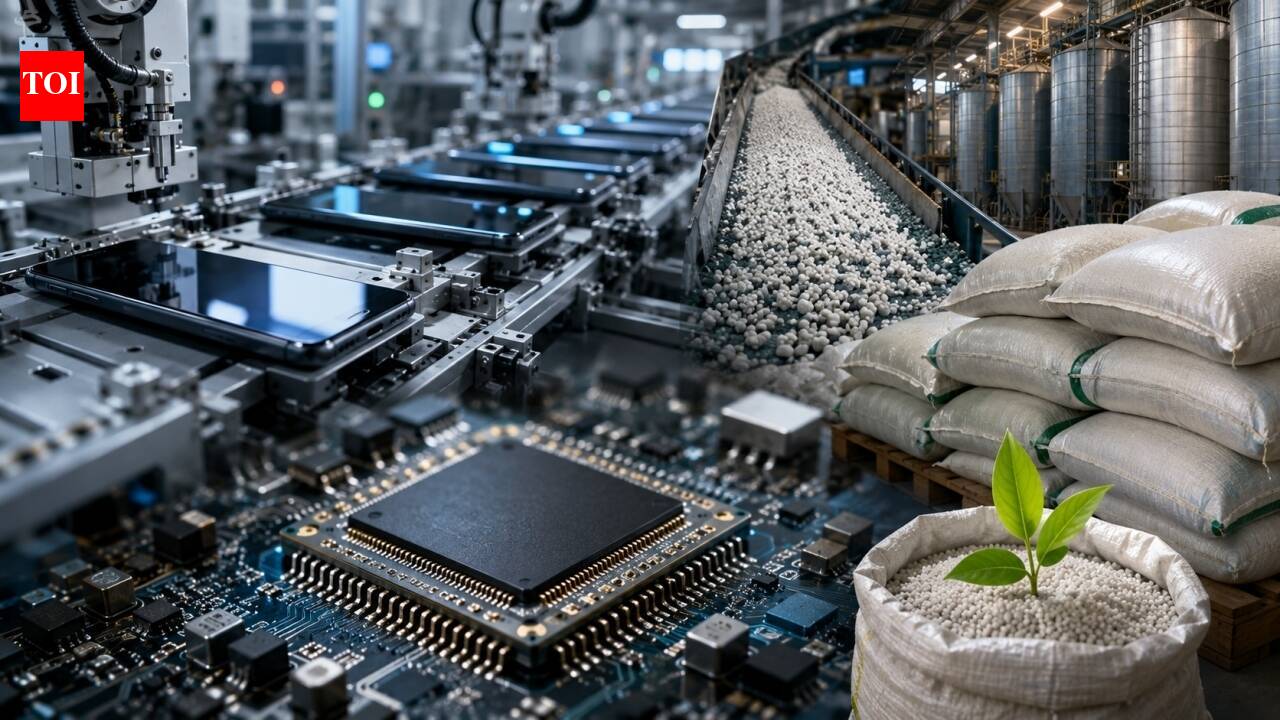
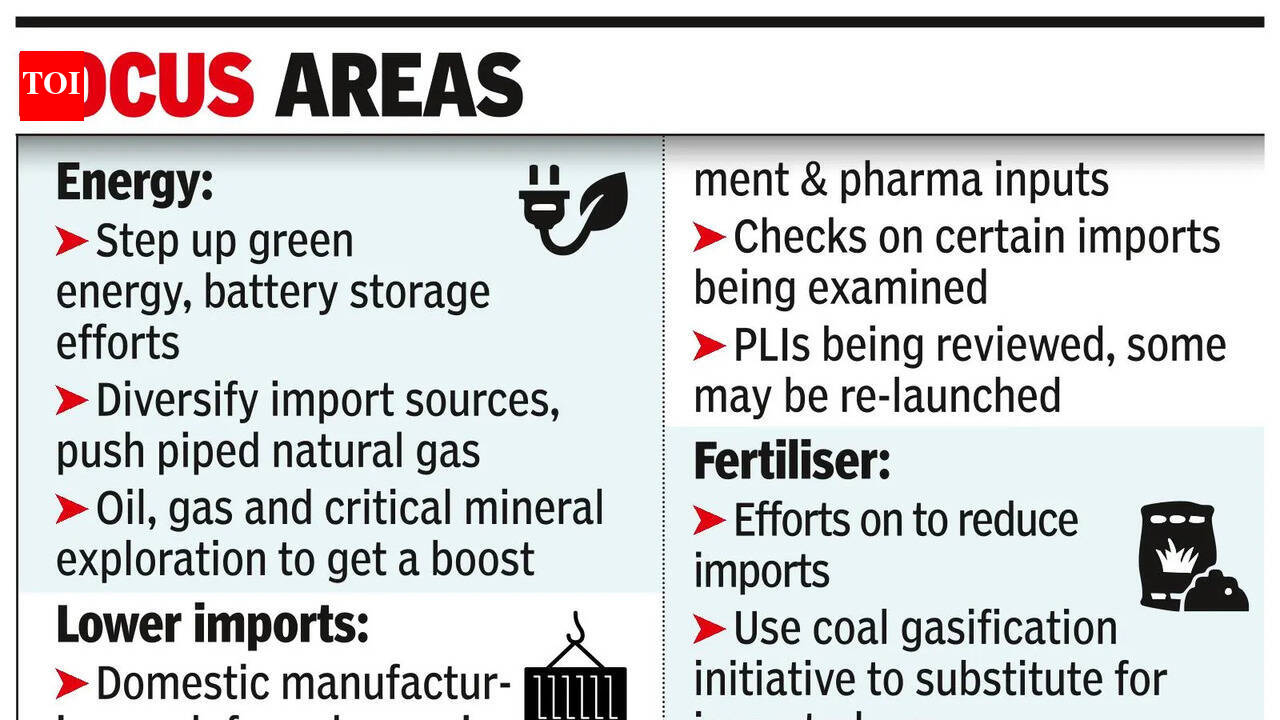
A core element of the plan is to identify 100-150 items for import substitution. The commerce and industry ministry is working on a strategy to reduce dependence on imported goods, officials told TOI. In some cases, tools such as minimum import price are being examined to check cheap imports from China. The government is also prioritising the boosting of active pharmaceutical ingredients (APIs) production and the entry of cheap shipments is being monitored.

Energy Security Measures

Energy is at the top of the agenda. Measures to increase the green hydrogen footprint, bolster solar and green energy, especially storage capacity, are being taken up on a war footing. The roadmap worked out at the PMO's behest is being implemented through ministries, with regular monitoring by top officials from Seva Teerth, sources told TOI. The plan itself was developed over eight to 10 weeks and includes immediate steps to ensure the economy is not hit by shortages of energy or raw materials from West Asia.

Measure Objective Timeline / Status
Import substitution (100-150 items) Reduce import dependency Under examination
Boost green hydrogen, solar, storage Increase renewable energy capacity War footing
Reduce LPG reliance, expand piped natural gas Diversify energy sources Prioritised
Coal gasification for fertiliser plants Reduce fertiliser imports Cabinet approved; 6-7 projects to be pushed
Step up oil and gas exploration Domestic energy production Plan to be announced by petroleum ministry
Rare earth and critical minerals (Assam-Nagaland MoU) Secure critical inputs Initial steps
Ethanol blending Renewable fuel Calibrated increase
EVs for public transport and long-distance trucking Reduce oil dependence Boost expected

Diversifying Export Markets

On the export front, the government is keen to derisk and reduce dependence on a few geographies after the tariff turbulence faced by Indian business from US actions last year. Principal secretary Shaktikanta Das, commerce secretary Rajesh Agrawal, and foreign secretary Vikram Misri have held detailed consultations with missions across the world on the issue, as India also seeks to be part of multiple global value chains.

PLI Scheme Review

The government is conducting a review of the Production Linked Incentive (PLI) scheme. An analysis is being done by NITI Aayog and IIM Ahmedabad to learn from failures in some sectors, such as advanced chemistry cell and battery manufacturing, and build on successes in electronics, pharma, and white goods.

What This Means for Your Procurement Team

Procurement leaders should monitor which of the 100-150 items targeted for import substitution affect their supply base. The government's push for domestic production may create new sourcing opportunities but also introduce transition risks. The focus on APIs and chemicals will be critical for pharmaceutical buyers. Energy-intensive operations should prepare for potential shifts in fuel sourcing as LPG reliance may decrease and piped natural gas penetration increases. The PLI scheme review may signal changes in incentive structures, particularly for battery manufacturing, which could affect investment plans. Diversification of export markets means that suppliers exposed to US tariffs may need to adapt to new trade flows. The proactive engagement with global missions indicates that new trade corridors are being explored.


Sources: Business-Today

Keep Reading

Recommended Stories

Big manufacturing push: How India is aiming to future proof its supply chains from global conflicts Supply Chain

Big manufacturing push: How India is aiming to future proof its supply chains from global conflicts

The Indian government is working on a broad manufacturing push to reduce import dependence and shield supply chains from geopolitical disruptions like the US-Iran conflict. Plans include identifying over 100 products for domestic production, cabinet-approved schemes for semiconductors and mobile phones worth Rs 1.9 lakh crore, and a taskforce led by Shaktikanta Das to map the import substitution roadmap. Consumer goods and electronics companies are also contingency planning ahead of the festive season.

July 28, 2026
Six-Year Tender Lead Time Climb Signals Structural Shift in Supply Chain Planning Supply Chain

Six-Year Tender Lead Time Climb Signals Structural Shift in Supply Chain Planning

The SONAR Tender Lead Time index has drifted higher for six straight years, reaching 3.74 days. The trend reflects improved planning, trade policy volatility, and increased inventory buffers, with implications for carrier operations and intermodal usage.

July 26, 2026
Supply Chain's True Grit: How Logistics Shines in Disasters Through Visibility and Partnerships Supply Chain

Supply Chain's True Grit: How Logistics Shines in Disasters Through Visibility and Partnerships

According to FreightWaves, logistics leaders like Michelle Livingstone highlight visibility, partnerships, and people as critical factors in disaster response. The article explores Livingstone's journey from Home Depot's hurricane command center to empowering women in supply chain, and previews upcoming industry events.

July 8, 2026
Securing India's livestock feed supply chain as monsoon deficits threaten procurement and margins Supply Chain

Securing India's livestock feed supply chain as monsoon deficits threaten procurement and margins

India's southwest monsoon deficit is exposing critical vulnerabilities in the livestock feed supply chain. With 83% of kharif maize rain-fed, deficient rainfall threatens procurement windows and feed affordability. The article outlines structural pressures from ethanol demand and policy gaps, and recommends strategic buffer stocks, alternative ingredients, and logistics improvements.

July 4, 2026