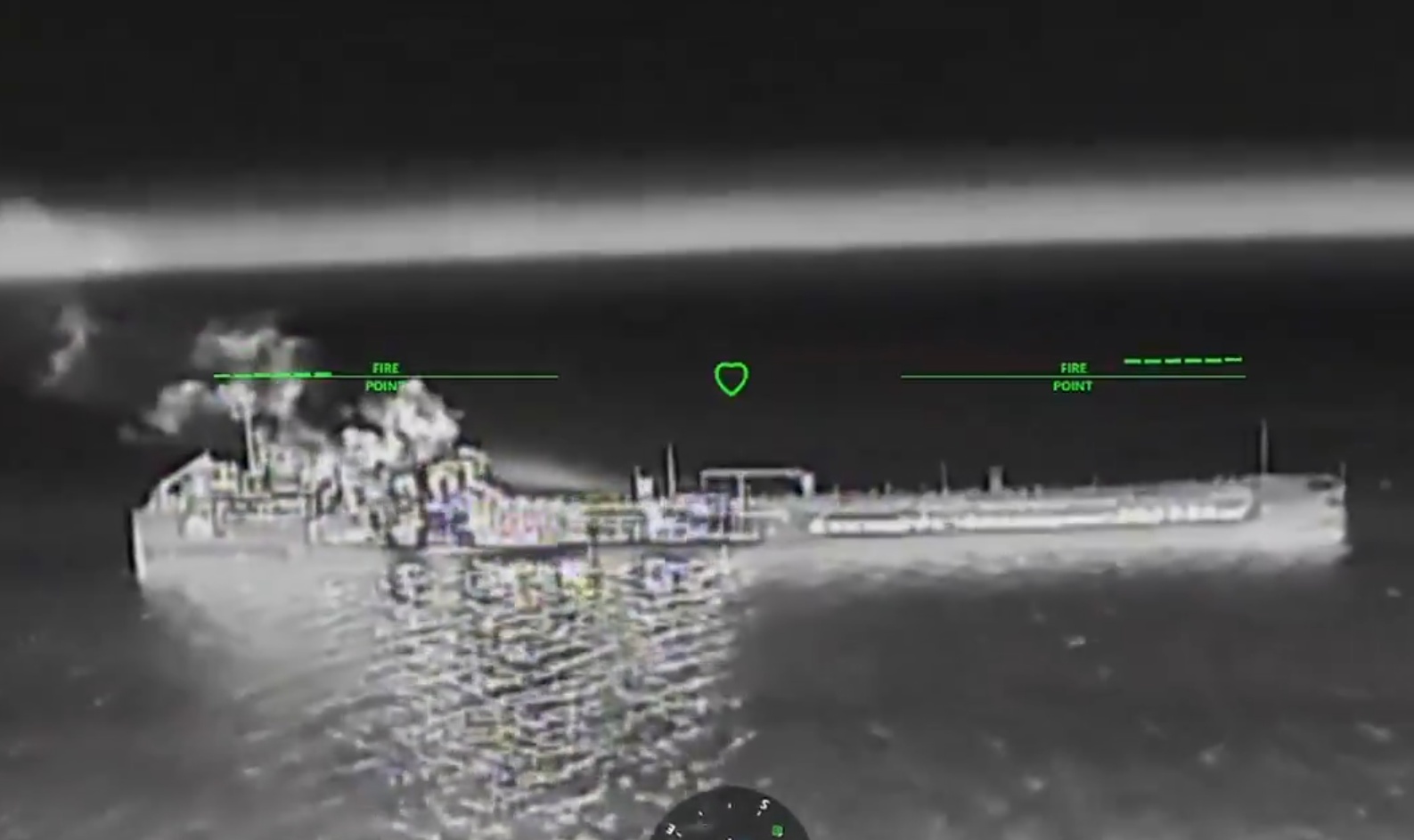
The vulnerability of global supply chains is not always visible on the surface of a shipping lane. According to Simon Puxley, writing in Splash247 on behalf of Moody's, the most critical risks in maritime logistics lie not with individual vessels but with the ownership, financial, and commercial networks behind them. This shift in perspective — from vessel to network — carries direct implications for how chief supply chain officers and logistics directors assess and mitigate supply chain disruptions.
The Challenge of Connecting Data
Puxley draws on his experience as a young officer working with government customs authorities on counter-narcotics operations. He recalls a control room with 17 different computer systems, telex, fax, and streams of information from regions such as the Caribbean and West Africa. In the middle stood six large filing cabinets, and the entire system depended largely on one person, John. John knew the patterns: suspect vessels changing names between ports, dropping AIS signals, reappearing under different flags. He connected those data points into actionable intelligence. "The breakthrough didn't come from the data alone. It came from connecting it," Puxley writes.
Today, technologies such as global tracking, digital records, layered datasets, and sophisticated common operating pictures have transformed ship tracking. Yet Puxley notes that "challenges remain around decision-making." The fundamental problem endures: how to assess and prioritise potential risk signals within a system dominated by legitimate activity? Thousands of vessels, millions of transactions, and constant movement across jurisdictions mean that signals are buried within commercial flows that cannot be disrupted without consequence.
Beyond the Visible Vessel: The Network Behind the Ship
Puxley uses the example of sanctions evasion and so-called shadow fleets to illustrate the point. A tanker may appear to operate consistently: plausible route, legitimate cargo, proper paperwork. But beneath the surface, the story differs. The tanker's ownership could be routed through a single-ship company in one jurisdiction, while management is handled through another. The flag has changed multiple times. Links to known intermediaries exist. Ship-to-ship transfers obscure cargo origin, and AIS signals go silent at critical moments. Trade patterns, counterparty relationships, and insurance arrangements add further texture.
"None of these indicators is decisive on its own. But together, they help form a pattern," Puxley writes. The vessel is only "one visible manifestation of a much larger risk ecosystem." The real challenge lies in understanding ownership, financial, and commercial relationships. There is growing focus among some authorities on moving beyond vessel-level targeting to pursue management firms, service providers, and intermediaries. This shift — from vessel to network — relies on integrated financial, corporate, and trade intelligence.
Three Practical Consequences for Maritime Decision-Makers
Puxley identifies three practical consequences of shifting to network-level risk assessment:
| Consequence | Description |
|---|---|
| Prioritisation | No organisation can investigate everything. Connecting flag history, routing anomalies, financial linkages, and counterparty relationships helps surface a narrower set of vessels, routes, and ownership structures that warrant closer attention. |
| Confidence in action | Interventions such as boarding, inspection, or sanctions enforcement require a well-supported and defensible basis. Network intelligence provides the evidentiary foundation. |
| Integrated intelligence | Combining financial, corporate, and trade data across silos enables a more complete risk picture than voyage data alone. |
What This Means for Supply Chain Risk Management
For supply chain leaders, the principle extends beyond maritime security. Supplier concentration risk, regulatory compliance, and operational resilience all depend on understanding the networks behind direct partners. The same logic applies: ownership structures, financial linkages, and counterparty histories can reveal hidden vulnerabilities. Puxley's analysis suggests that investing in integrated intelligence — connecting disparate data sources — is not a luxury but a necessity. Procurement teams should evaluate whether their due diligence stops at the first tier or reaches into the ownership and financial networks of their logistics providers. As authorities increasingly target those networks, companies that have not mapped these relationships may face unexpected disruptions or compliance gaps.
Sources: