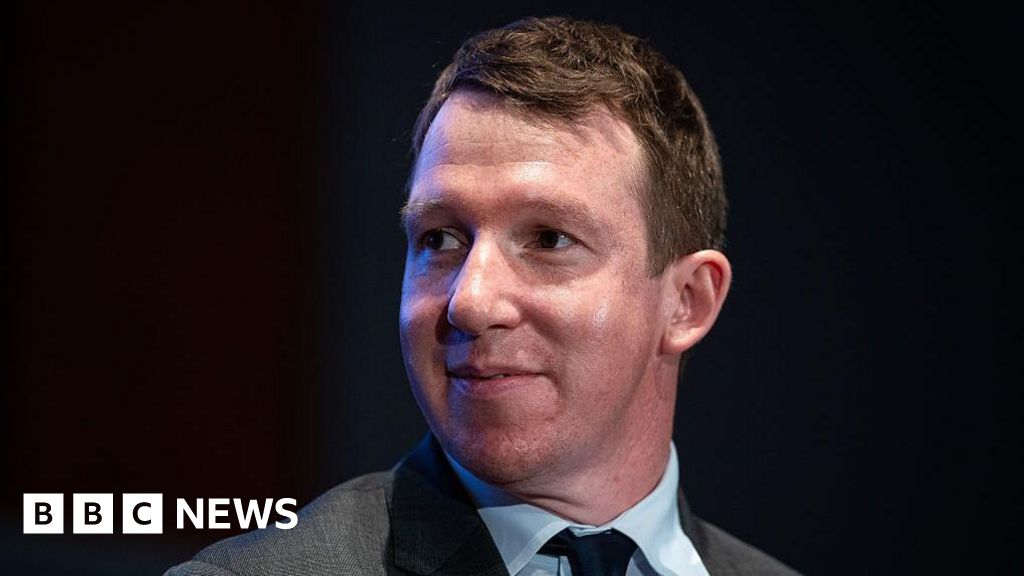
As AI technology continues to advance, Jack Clark, co-founder of Anthropic, has raised concerns about the unchecked progression of artificial intelligence. He advocates for the implementation of regulatory measures to ensure that AI development remains under human control.
The Need for a 'Brake Pedal'
Clark likens the current state of AI development to a vehicle with only a gas pedal, lacking the necessary brake to slow down or halt progress when needed. He stresses the importance of government policies to maintain control over AI systems, which are becoming increasingly powerful and influential in society.
"You want the option to be able to take your foot off the gas and put your foot on the brake," Clark told BBC Newsnight.
Project Glasswing and AI Vulnerabilities
Anthropic's Project Glasswing aims to identify and fix software vulnerabilities using their AI model, Mythos. However, despite finding numerous vulnerabilities, many remain unpatched, raising questions about the project's effectiveness.
Implications for the Economy
Clark warns of potential economic disruptions due to AI technologies, such as autonomous AI agents that could replace certain jobs. He emphasizes the need for a serious societal conversation about the implications of AI advancements.
Regulatory Frameworks
Drawing parallels to historical regulatory responses to industries like oil, Clark suggests that a sensible policy and regulatory framework is essential to ensure AI's benefits are realized without undue risk.
| Aspect | Current State | Proposed Solution |
|---|---|---|
| AI Development | Rapid and unchecked | Implement regulatory 'brake pedal' |
| Software Vulnerabilities | Many found, few patched | Increase transparency and accountability |
| Economic Impact | Potential job disruption | Societal dialogue and policy development |
Conclusion
As AI continues to evolve, the call for regulation becomes more pressing. Anthropic, alongside other major AI companies like OpenAI and Google, must consider the broader societal impacts of their technologies and work towards a future where AI advancements are both beneficial and controlled.