Apple's restrained approach to agentic AI at WWDC 2026 signals a privacy-first strategy that could influence global data governance standards, with direct implications for cross-border trade in AI services.
Data Privacy and Cross-Border Trade Compliance
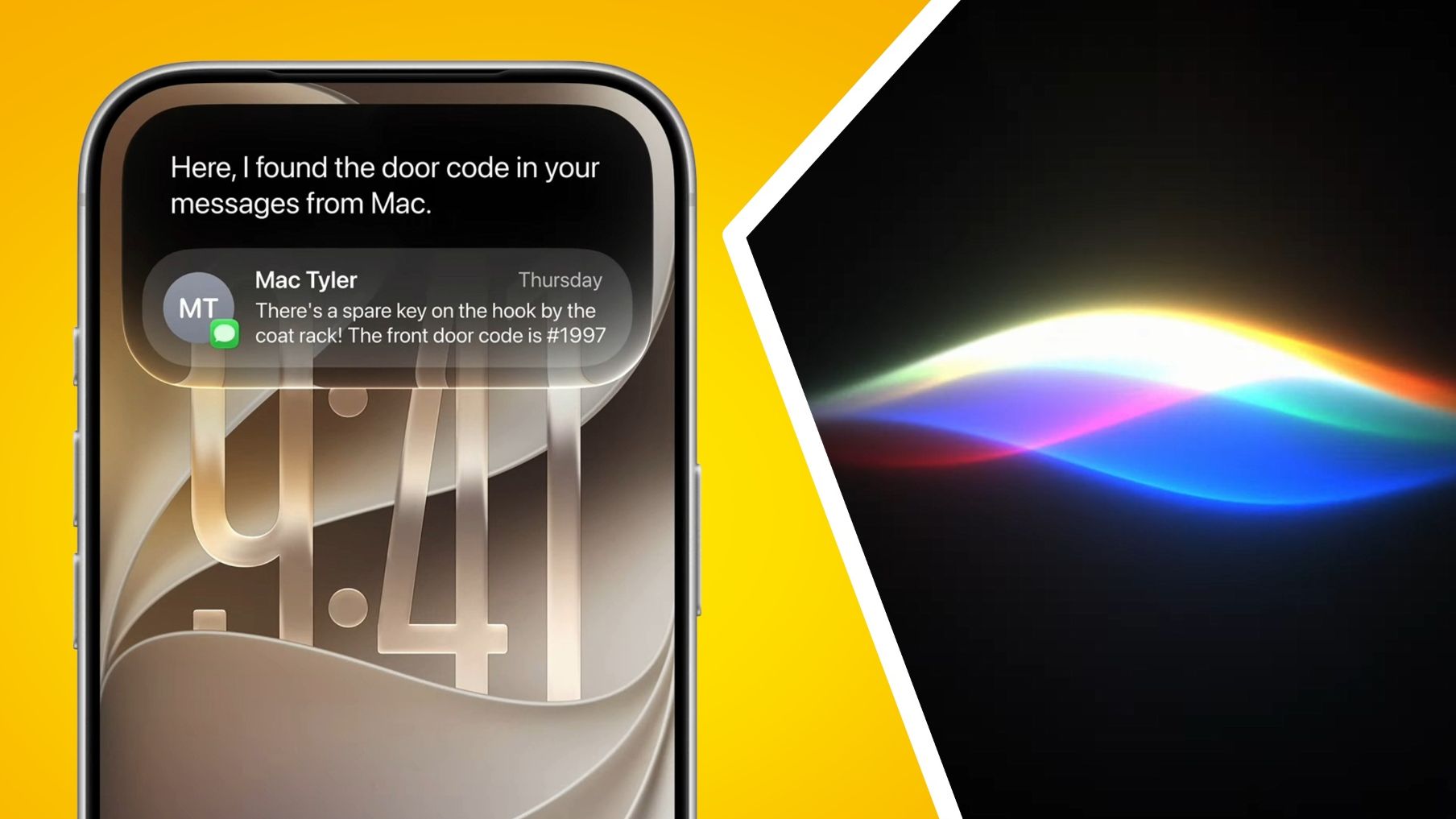
Unlike peers at Google I/O, Microsoft Build, and NVIDIA's Computex, Apple spent most of its WWDC 2026 keynote discussing practical AI, such as Siri finding a friend's new address in a text thread or ticketing for an exclusive concert, according to an Engadget report. The company emphasized Private Cloud Compute, which uploads only relevant data, keeps it anonymous, and does not track server logs. Apple's Craig Federighi, SVP of software engineering, stated during a WWDC panel (via Ars Technica) that the architecture is designed to "vaporize any record of that data the moment after it answers your question." This zero-retention policy is critical for trade executives navigating data localization laws and privacy regulations like GDPR or China's Personal Information Protection Law. By minimizing cross-border data retention, Apple reduces friction in exporting AI-enabled services to stringent jurisdictions.
Infrastructure Dependencies and Trade in Services
Apple's AFM3 Cloud Pro model runs on Google's servers with NVIDIA-powered hardware. This reliance on US-based cloud infrastructure (Google Cloud) and semiconductor suppliers (NVIDIA) ties Apple's AI services to US technology supply chains. For trade analysts, this highlights the concentration of AI compute capacity in the United States, raising questions about digital service exports and potential retaliatory tariffs or export controls on AI chips. The Engadget article notes Apple's commitment to privacy gives it "a leg up on Google and Microsoft" — a competitive advantage that could shift market share in enterprise AI services, affecting trade balances in software and cloud subscriptions.
Agentic AI: A Cautious Step with Security Implications
Apple introduced limited agentic features, such as automatically changing compromised passwords via the Passwords app and Safari's 'Notify Me' for website changes. These raise security and trust issues for international businesses. The article warns: "The potential issues are obvious: What else can happen when Apple Intelligence logs into that website?" For trade executives, such features affect cybersecurity compliance requirements in cross-border transactions, especially under frameworks like the NIST Cybersecurity Framework or EU's NIS2 Directive. Apple's cautious rollout allows enterprises to test agentic AI in controlled environments, reducing legal risks.
| Feature | Privacy/Compliance Impact | Trade Relevance |
|---|---|---|
| Private Cloud Compute | Minimal data retention, anonymous processing | Eases cross-border data transfers under strict privacy laws |
| Automatic password change | Agentic action on user accounts | Requires assessment under cybersecurity regulations |
| Safari Notify Me | Tracks website changes | Potential for automated procurement, subject to e-commerce rules |
Competitive Dynamics and Market Access
Apple's deliberate avoidance of "agentic AI" hype, per the Engadget article, contrasts with competitors' aggressive pushes. The story notes that "the tech world can't wait to sit back and let AI take the wheel," while Apple prioritizes user control. This positioning could influence market access for AI services globally: regulators may view Apple's model as more compliant, potentially easing approval in countries with strict AI governance, such as the EU AI Act (though not explicitly mentioned, it's a relevant context). Trade planners should monitor how Apple's approach affects tariff classifications for software services and export controls on AI tools.
What to Watch
The next key milestone is the public release of Apple's latest OS updates this fall, when Siri AI features will undergo broader testing. Trade analysts should track Apple's regulatory filings and data center locations for Private Cloud Compute, as these will determine data residency compliance for international clients. Additionally, any expansion of Apple's agentic features (e.g., automatic purchasing) would trigger new consumer protection and trade in services regulations globally.
Sources: