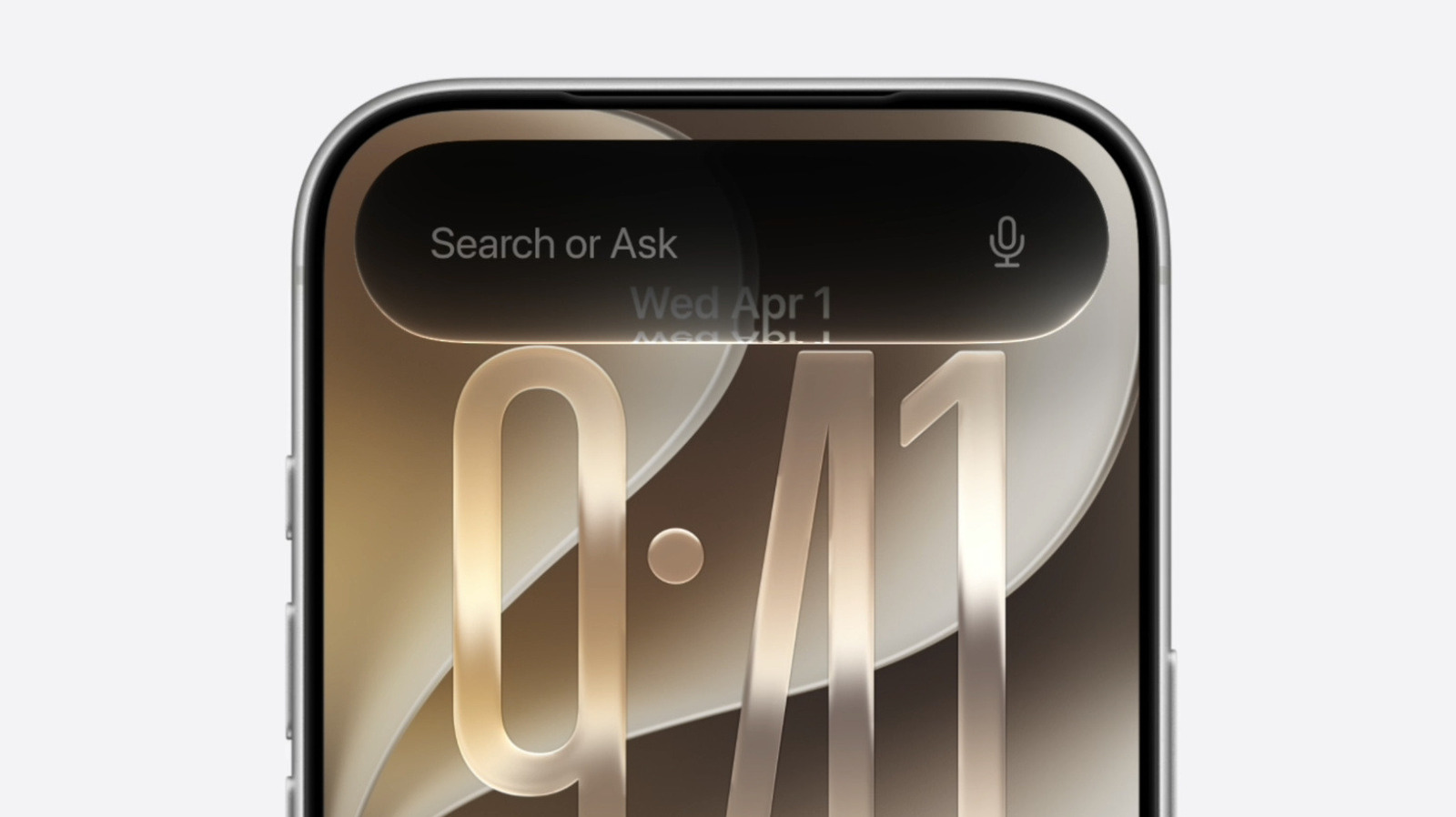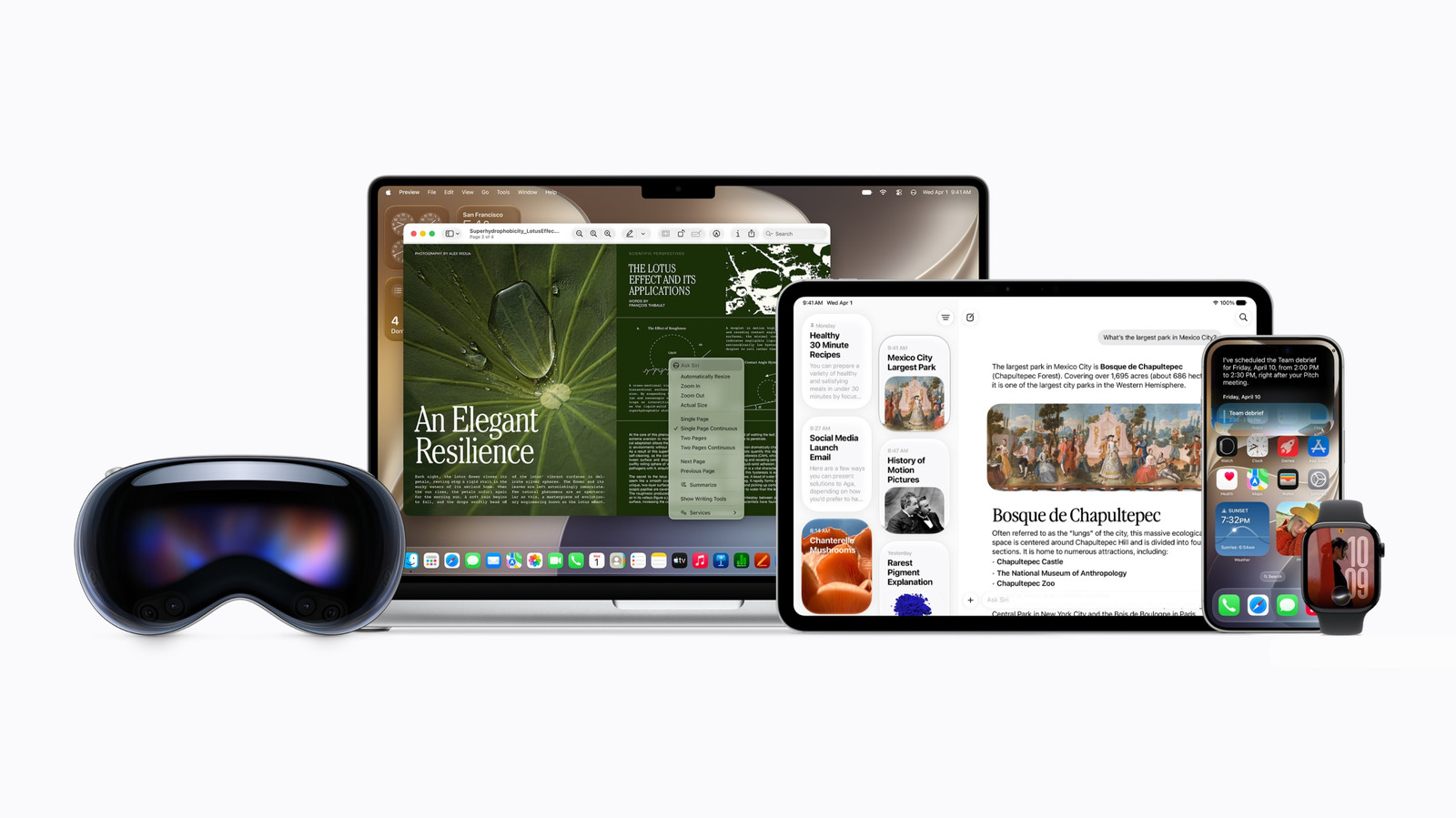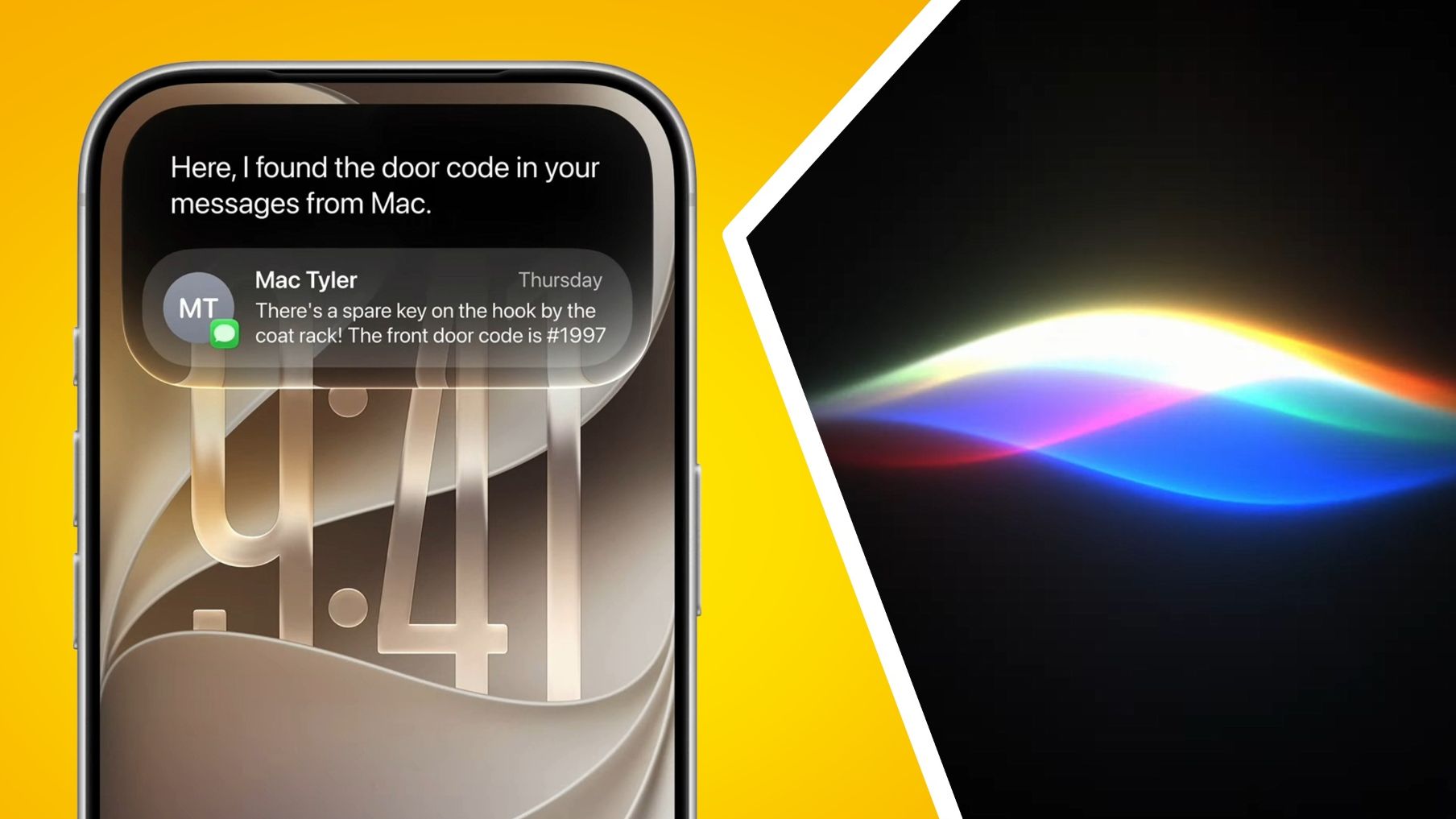
Apple has finally explained why the AI overhaul of Siri took so long, revealing that a first version was ready last year but was abandoned because it did not meet the company's vision. The new Siri AI is now set to arrive later this year after a complete rebuild.
The Initial Plan: An Iterative Upgrade
In a post-WWDC talk attended by 9to5Mac and TechRadar, Mike Rockwell — the Apple executive who took leadership of the Siri team last year — explained that back in 2025, the company built a working version of Siri AI "that was sort of incremental on top of the original Siri." According to Rockwell, however, "we didn’t feel it was really delivering on the vision and the experience that we wanted to do."
This incremental approach was evidently insufficient for the ambitious AI assistant Apple envisioned. The company decided that building on the existing Siri architecture would not meet user expectations, especially with strong competition from other AI assistants in the market.
A Necessary Pivot
"We rebuilt Siri from the ground up, literally, tore it to the ground."
— Mike Rockwell, Apple executive
As a result of the pivot, the team started over completely. Rockwell described the decision as necessary to create what he called "a profoundly more capable Siri." The rebuild abandoned the original plan of layering new AI features onto the old system, instead starting from scratch.
This shift in strategy, while time-consuming, was likely the right call given the competitive landscape of voice assistants. Apple's talent and experience meant the company should have anticipated the need for a ground-up rebuild, but the delay at least now has a clear explanation.
The Result: A Rebuilt Siri
The rebuilt Siri is expected to launch later this year, significantly later than initially promised. The new version promises to be more capable, though specific features were not detailed in the explanation. The decision to prioritize quality over speed aligns with Apple's history of delaying products until they meet internal standards.
For enterprises and developers, the delay means a more robust platform when it arrives. The underlying architecture change from an incremental add-on to a rebuilt system suggests better integration and performance for third-party app interactions. However, the source material does not provide specifics on business-facing capabilities.
The explanation comes after months of speculation about why Apple's AI assistant development lagged behind rivals like Google and Amazon. By revealing the iterative version and the subsequent rebuild, Apple provides transparency into its development process, which may help manage expectations for future AI releases.
While the delay may frustrate users, Apple's focus on delivering a fundamentally improved product rather than a quick upgrade reflects a strategic choice that could pay off in the long term. The company is now poised to compete more effectively in the AI voice assistant space.
Sources: