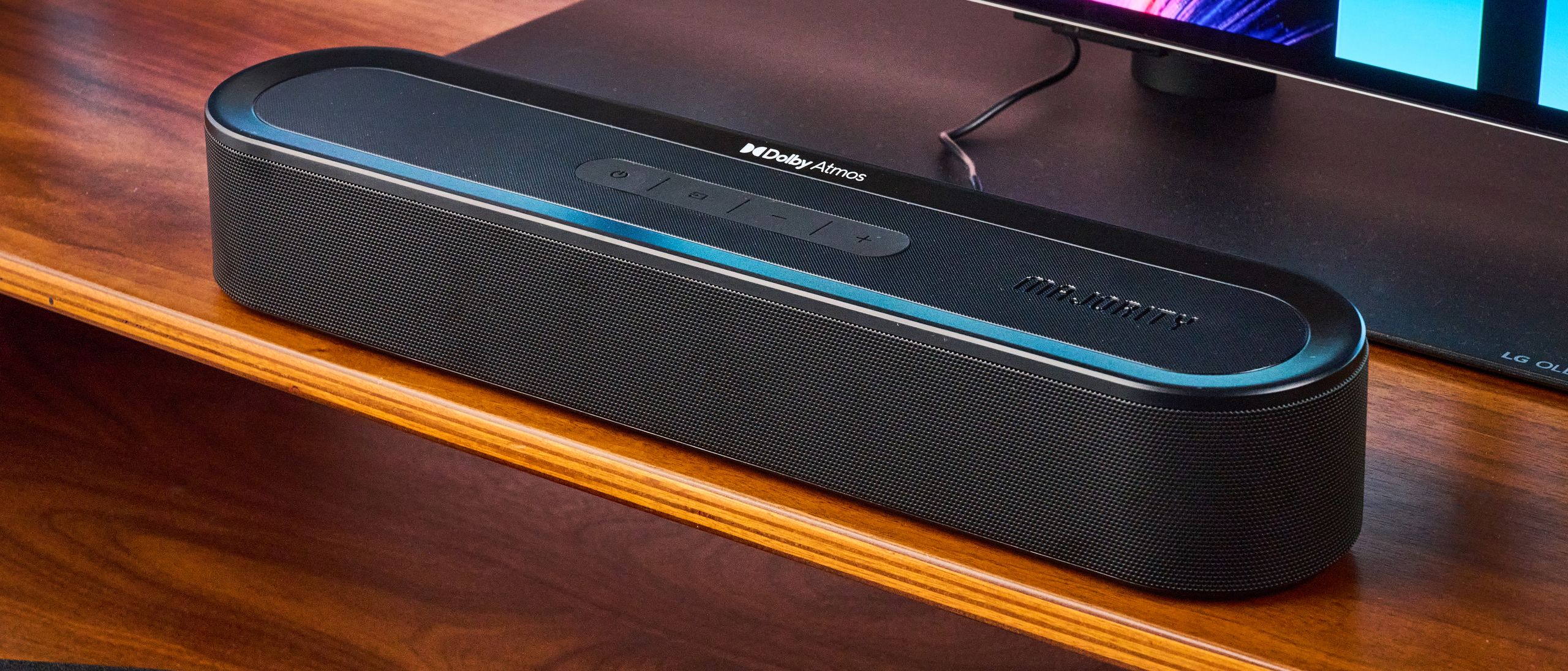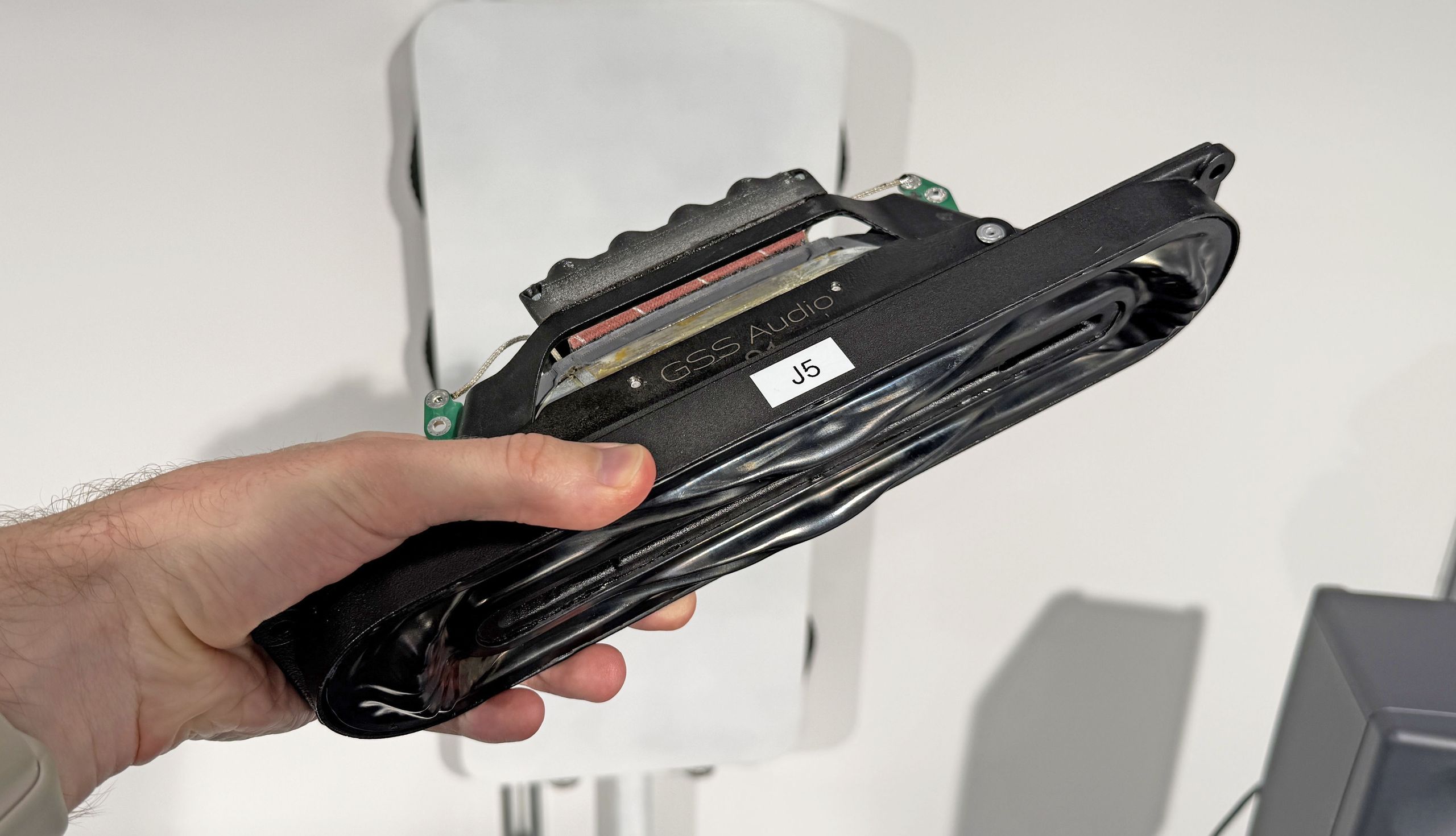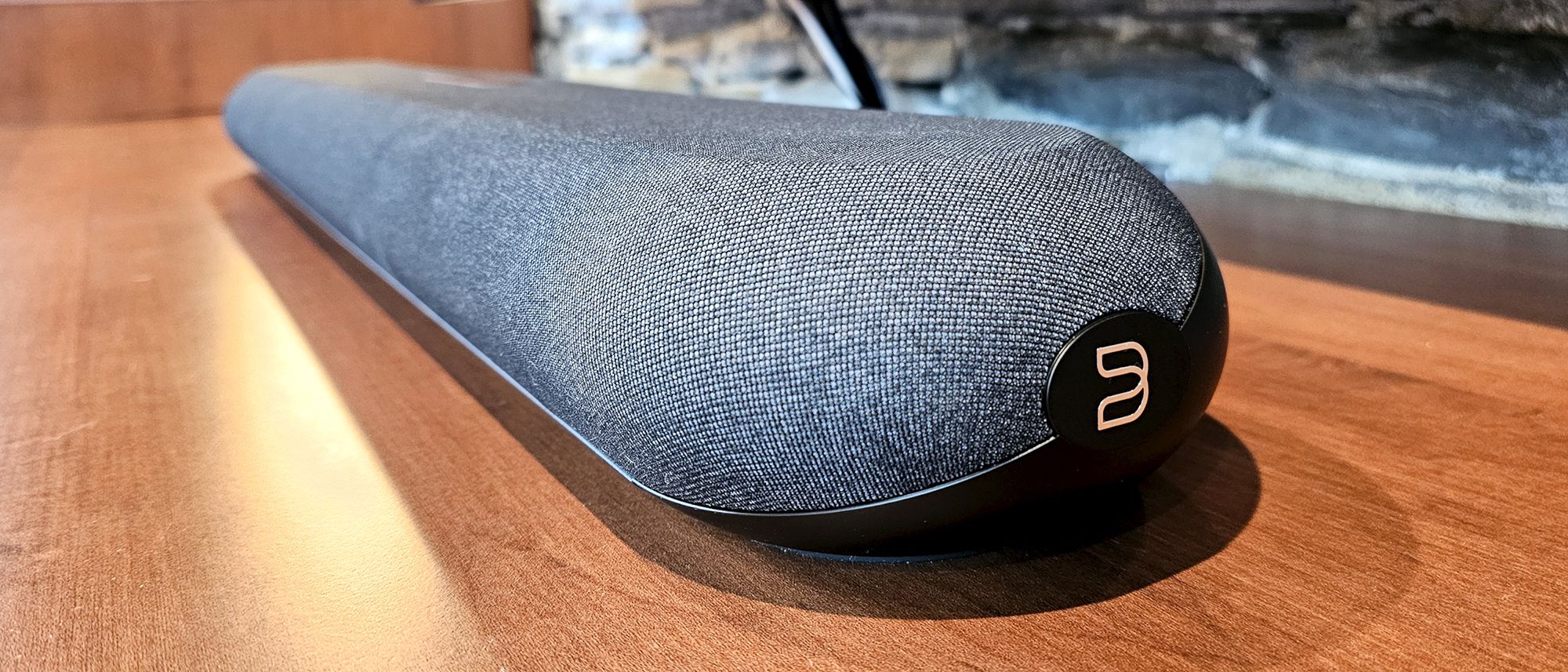
Bluesound launched its Pulse Cinema Mini soundbar on August 27, 2025, at a price of $999 / £799, according to TechRadar. The product is currently available in the US, UK, and Canada, but has not yet been released in Australia. Priced nearly double the Bose Smart Soundbar ($499) and Sonos Beam Gen 2 ($499), the Pulse Cinema Mini targets the premium segment of the compact soundbar market, offering a wider soundstage, richer bass, and a host of connectivity features absent from rival products.
Global Launch and Pricing Details
The Pulse Cinema Mini’s $999 / £799 price point places it in the same investment bracket as many flagship soundbars from Sonos and Bose, yet it is considerably more expensive than the company’s direct compact competitors. TechRadar reports that the soundbar includes a wall-mount bracket, is larger and more powerful than the Bose Smart Soundbar and Sonos Beam Gen 2, and offers features such as an analog input, wired subwoofer output, USB storage access, and two-way Bluetooth with aptX Adaptive — all of which are missing on its rivals.
International availability is limited to the US, UK, and Canada, with no launch date announced for Australia or other Asia-Pacific markets. This selective rollout may reflect Bluesound’s strategy to test demand in key English-speaking markets before expanding further. For importers and distributors, this creates both an opportunity and a constraint: those in the current markets can integrate the product, while those in excluded regions must wait for official distribution channels.
Product Specifications and Features
The Pulse Cinema Mini measures 33.34 x 2.91 x 5.51 inches, making it wider than typical “mini” soundbars — a design choice that TechRadar says enables strong low-end bass from built-in woofers. It supports 2.0 channels, with a planned update to 2.1 channels (via the wired subwoofer output). Connectivity includes HDMI eARC, optical input, RCA stereo in, USB-A, Gigabit Ethernet, Bluetooth 5.2 (with aptX Adaptive), Wi-Fi 802.11ac, and AirPlay 2, Tidal Connect, Spotify Connect, Qobuz Connect, and Roon Ready. The soundbar is Dolby Atmos-compatible but lacks DTS:X support.
Below is a summary of key specifications compared to its main competitors:
| Feature | Bluesound Pulse Cinema Mini | Bose Smart Soundbar | Sonos Beam Gen 2 |
|---|---|---|---|
| Price | $999 / £799 | $499 / £499.95 | $499 / £499 |
| Channels | 2.0 (2.1 planned) | 1.0 (virtual) | 5.0 |
| Subwoofer output | Yes (wired) | No | No |
| Bluetooth | Two-way with aptX Adaptive | One-way, standard | No (uses Wi-Fi) |
| Analog input | Yes (RCA) | No | No |
| Wall-mount bracket | Included | Sold separately | Sold separately |
| Dolby Atmos | Yes | Yes | Yes (virtual) |
| Weight | Not specified | Not specified | Not specified |
Competitive Landscape and Market Positioning
TechRadar’s review notes that the Pulse Cinema Mini cannot match the Dolby Atmos performance of similarly priced full-sized soundbars, but it excels in audio fidelity, especially for music listening. The soundbar’s wide soundstage and rich low-end are highlighted as standout attributes. However, the lack of Google Cast or Google Home compatibility may alienate Android users, a factor trade partners should consider when targeting different consumer segments.
The premium pricing strategy places Bluesound in a niche: buyers who prioritize versatility, expansion potential, and hi-res audio over sheer immersive effects. For international trade executives, this means the product is unlikely to compete in volume-driven retail but may find success in high-end AV specialty stores and online channels.
Implications for Importers and Distributors
For companies involved in the import and distribution of consumer electronics, the Pulse Cinema Mini’s limited geographies and high price suggest a focused market approach. Importers in the US, UK, and Canada can leverage the product’s unique features to differentiate their offerings from mass-market soundbars. Those in Australia and other excluded markets should monitor Bluesound’s expansion plans; a delayed launch may indicate supply chain constraints or localization requirements.
Trade executives should note the included wall-mount bracket reduces accessory costs for buyers, and the RCA subwoofer output allows for aftermarket subwoofer pairing — a potential cross-selling opportunity for audio accessory suppliers. Additionally, the soundbar’s multiroom audio and hi-res support align with trends in premium home audio, positioning it for the high-net-worth consumer segment.
What to watch: Bluesound’s next target markets — particularly whether Australia sees a launch within the next fiscal year, which would signal broader Asia-Pacific distribution.
Sources: