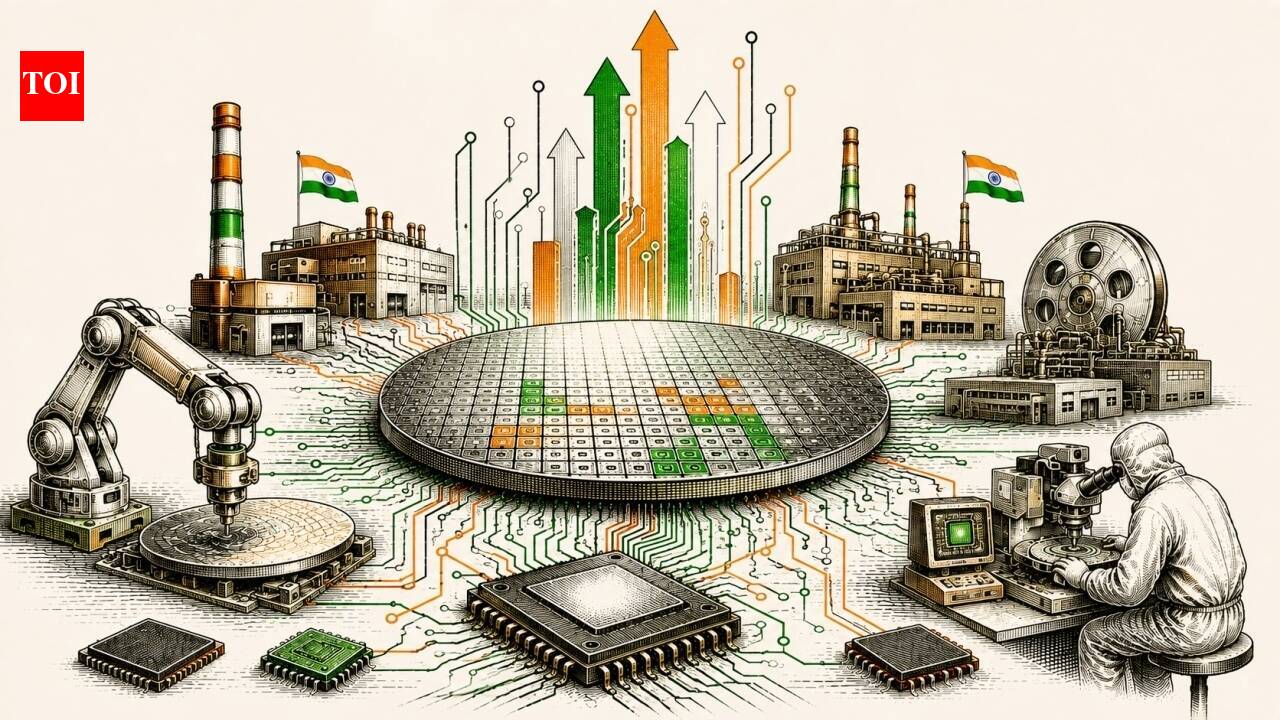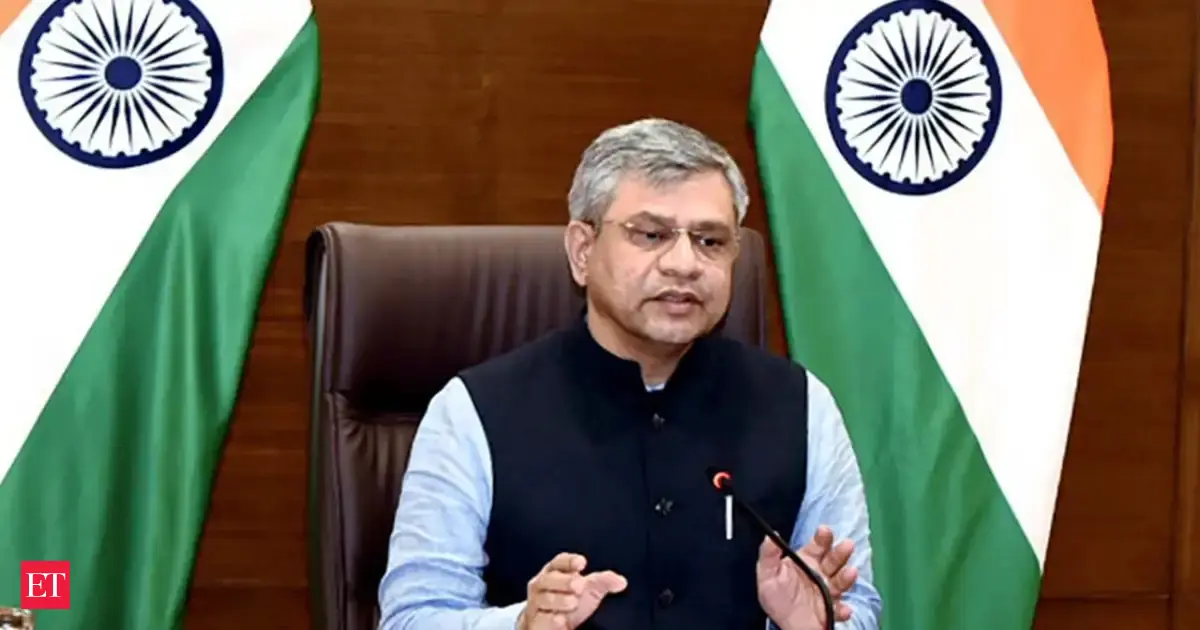
India's reliance on imported printed circuit boards (PCBs) — the essential backbone of modern electronics — is set to shrink dramatically as domestic manufacturing scales up. Union Minister for Electronics and Information Technology Ashwini Vaishnaw stated that domestic PCB production could save imports worth Rs 40,000 crore annually, according to the Economic Times.
Investment and Projects
The announcement came during the foundation stone laying ceremony for two major projects in the electronics manufacturing cluster (EMC) located in the Yamuna Expressway Industrial Development Authority (YEIDA) region near Noida. Vaishnaw and Uttar Pradesh Chief Minister Yogi Adityanath jointly performed the ceremony.
One project is a ₹3,250 crore joint venture between contract manufacturer Amber Enterprises and Korea Circuit Co. Ltd. (KCC). This venture will produce high-density interconnect (HDI) PCBs, flexible PCBs, and semiconductor substrates — components that Vaishnaw described as "the backbone of modern technology," noting that some advanced multi-layer PCBs will have 20 to 22 layers.
A separate ₹3,500 crore, 100-acre facility by Amber Enterprises will focus on room air conditioners, copper clad laminates, and other critical components. Both plants are designed as Zero Liquid Discharge (ZLD) facilities, integrating advanced water recycling systems, resource-efficient operations, and sustainable manufacturing practices, according to Amber Enterprises.
| Project | Investment | Focus | Employment |
|---|---|---|---|
| Amber-KCC JV | ₹3,250 crore | HDI PCBs, flexible PCBs, semiconductor substrates | Part of 3,000 total |
| Amber standalone | ₹3,500 crore | Room air conditioners, copper clad laminates | Part of 3,000 total |
| Total | ₹6,750 crore | ~3,000 jobs |
Strategic Impact
Vaishnaw highlighted that India is already the 6th largest electronics exporter globally, with a government target to become the 2nd largest. He emphasised a shift "from assembly to deep manufacturing," stating, "What we once imported, we will now 'Make in India' for the world." The Jewar region in Uttar Pradesh is expected to become a major manufacturing hub for electronics, the minister added.
PCBs provide the physical foundation and electrical pathways that allow delicate electronic components to communicate. By producing them domestically, India aims to reduce its massive import bill and strengthen its electronics ecosystem. The combined investment of ₹6,750 crore and the creation of 3,000 jobs underscore the scale of the initiative.
Competitive Context
While the article does not name specific import sources, the shift is significant for global electronics supply chains. Currently, India relies heavily on imports from countries like China, Taiwan, and South Korea for advanced PCBs. The Amber-KCC partnership brings Korean expertise to Indian manufacturing, potentially offering a competitive alternative for domestic electronics producers.
"We are moving from assembly to deep manufacturing. The advanced multi-layer PCBs being built here, some with 20 to 22 layers, are the backbone of modern technology." — Ashwini Vaishnaw, as quoted in the Economic Times.
For enterprise technology decision-makers, this development signals a maturing Indian electronics supply chain. Reduced import dependence can lead to lower procurement costs, shorter lead times, and greater resilience against global trade disruptions. The focus on sustainable ZLD facilities also aligns with corporate environmental goals.
Sources: