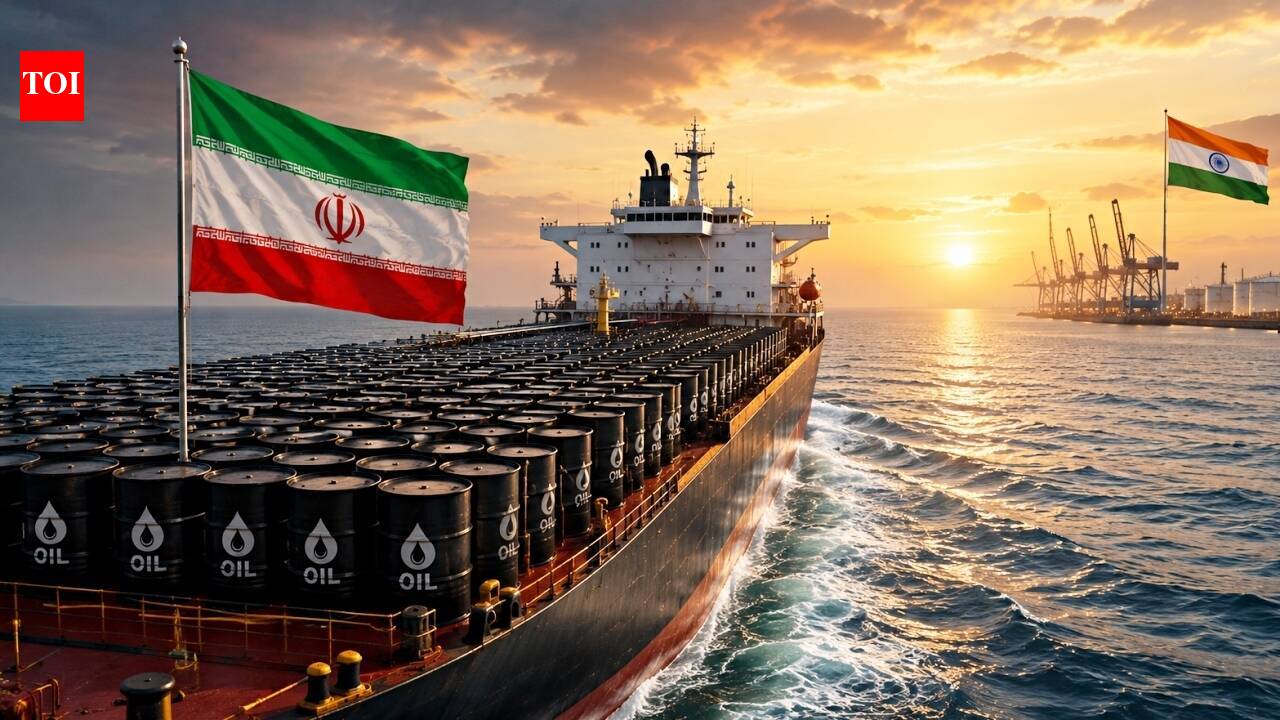
China's recent regulatory measures, set to take effect on July 1, 2026, could significantly impact India's technology imports, particularly in the electronics and automobile sectors. These new rules provide China with broader powers to scrutinize and restrict outbound transfers of technology and strategic assets.
Impact on Bilateral Trade
In 2025, India-China bilateral trade reached a substantial $155 billion. However, the new regulations could delay or disrupt investments in areas such as display and camera module manufacturing, component sub-assembly, lithium-ion cell production, and electric vehicle components.
"This comes at a time when bilateral relations between India and China have improved," said Jasbir Singh, CEO of Amber Enterprises.
Industry Reactions
Pankaj Mohindroo, chairman of the India Cellular and Electronics Association (ICEA), expressed concerns over the continuation of confrontational techno geopolitics. He emphasized the importance of free markets, stating that restrictions from China, a major player in cost-optimized technology development, could have global repercussions.
Challenges for India
India faces multiple challenges in developing domestic capabilities in lithium-ion batteries and electric vehicles due to a lack of critical raw materials and proprietary technologies. A senior executive in the auto component industry highlighted that China has been "weaponising technology" in this trade war.
| Sector | Impact | Challenges |
|---|---|---|
| Electronics | Delays in tech transfers | Lack of raw materials |
| Automobile | Disruption in investments | Proprietary tech shortages |
Regulatory Framework
The regulations establish a comprehensive legal framework enabling China to unwind completed overseas transactions in sensitive sectors. They also empower Beijing to prohibit foreign entities from trading with China if their home countries impose restrictions on Chinese investments.
India's Press Note 3 policy requires multi-department clearance for investments from countries sharing land borders, including China. This adds another layer of complexity to the already challenging trade environment.