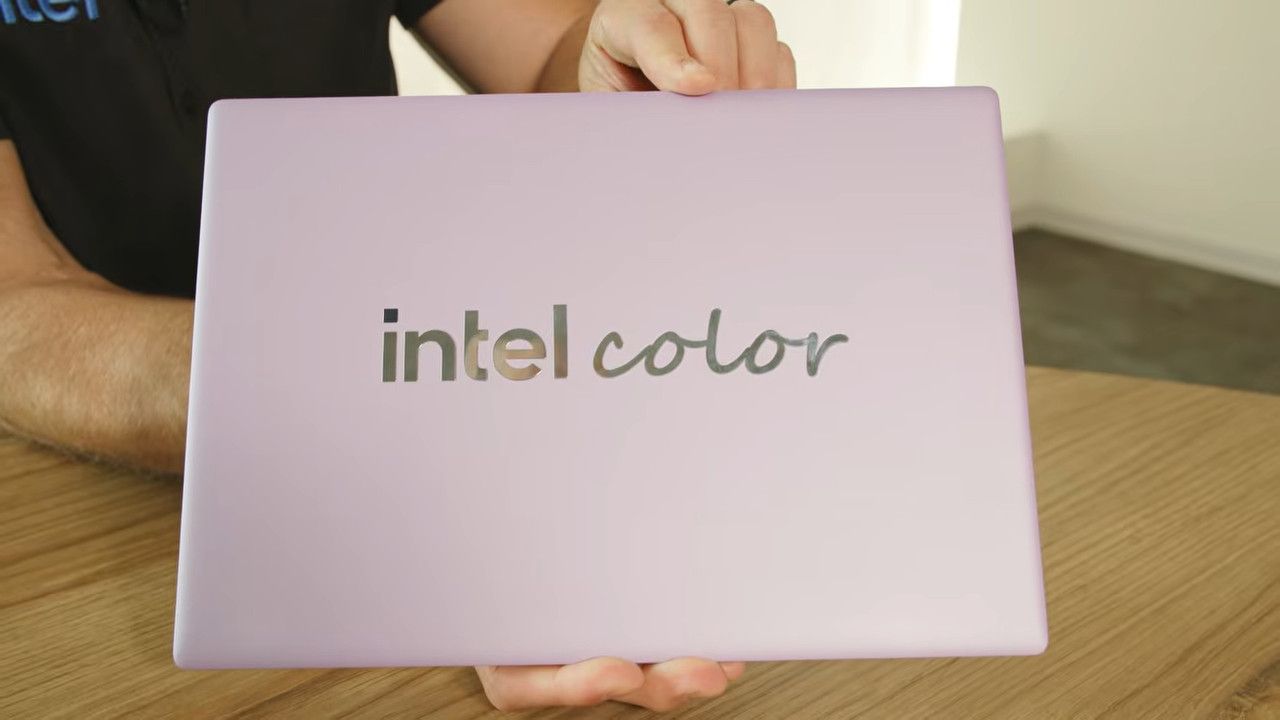
Intel has detailed how its new Wildcat Lake mobile processors, part of the Firefly program, reduce laptop costs by integrating smartphone-class components, according to a TechRadar report. The approach aims to bring affordable Windows 11 notebooks to market quickly to compete with Apple's MacBook Neo.
Cost Reduction through Phone-Class Components
Intel's Firefly program uses phone-class system memory (LPDDR5X) and audio chips from the smartphone world, alongside other cost-saving design elements. Intel explains: 'We see two Firefly prototypes, including a 12.9mm metal chassis with redesigned thermals, standardized internal cabling for a separate I/O board, and a new core logic module that combine Intel SoCs with phone-class memory to lower costs and accelerate time-to-market.'
By reducing the bill of materials across supporting chips, internal cabling, and the motherboard itself, Intel aims to offer laptop makers a more affordable path to produce Windows 11 notebooks. The core idea is to leverage the smartphone component supply chain in laptop production.
Market Implications for Laptop Supply Chain
The use of smartphone-class components has direct implications for the global electronics supply chain. Importers and logistics executives may see shifts in sourcing patterns as laptop makers adopt memory and audio chips traditionally used in mobile devices. This could alter customs classifications and tariff codes for certain components, potentially affecting import duties. TechRadar notes that Intel claims Firefly laptops can be brought to market in just a few months using the reference platform.
| Component Category | Traditional Laptop Source | Wildcat Lake / Firefly Source |
|---|---|---|
| System Memory | PC-class DRAM | LPDDR5X (phone-class) |
| Audio Chips | PC components | Phone-class audio chips |
| Internal Cabling | Custom designs | Standardized cabling |
| Core Logic Module | Standard motherboard | New module with Intel SoC + phone memory |
Competitive Landscape with MacBook Neo
TechRadar reports that laptop price hikes have set in, making Apple's MacBook Neo a popular choice. Intel's Wildcat Lake notebooks are positioned to offer Windows 11 alternatives at comparable price points. For example, the Dell XPS 13 entry-level model using Wildcat Lake is priced at $699 in the US, or $599 for students. Intel hopes a wider range of affordable notebooks will emerge.
Implications for Trade and Customs Professionals
For international trade executives, the adoption of phone-class components in laptops may lead to new classification challenges. Components originally designed for smartphones may fall under different Harmonized System (HS) codes when used in laptops, potentially triggering reclassification by customs authorities. Freight forwarders should monitor whether Intel's Firefly platform leads to increased cross-border shipments of LPDDR5X memory and specialized audio chips from smartphone supply chain hubs.
Additionally, the faster time-to-market (a few months) could compress lead times for logistics providers. Importers of laptop components may need to adjust inventory strategies to align with Intel's reference platform timelines. The shift to standardized internal cabling also suggests fewer unique parts, which could simplify supply chain management and reduce tariff exposure for custom components.
What to watch: Monitor whether other OEMs adopt Intel's Firefly reference design and how customs authorities in major markets classify the new component mix. Also watch for any trade policy adjustments as laptop production increasingly borrows from smartphone supply chains.
Sources: