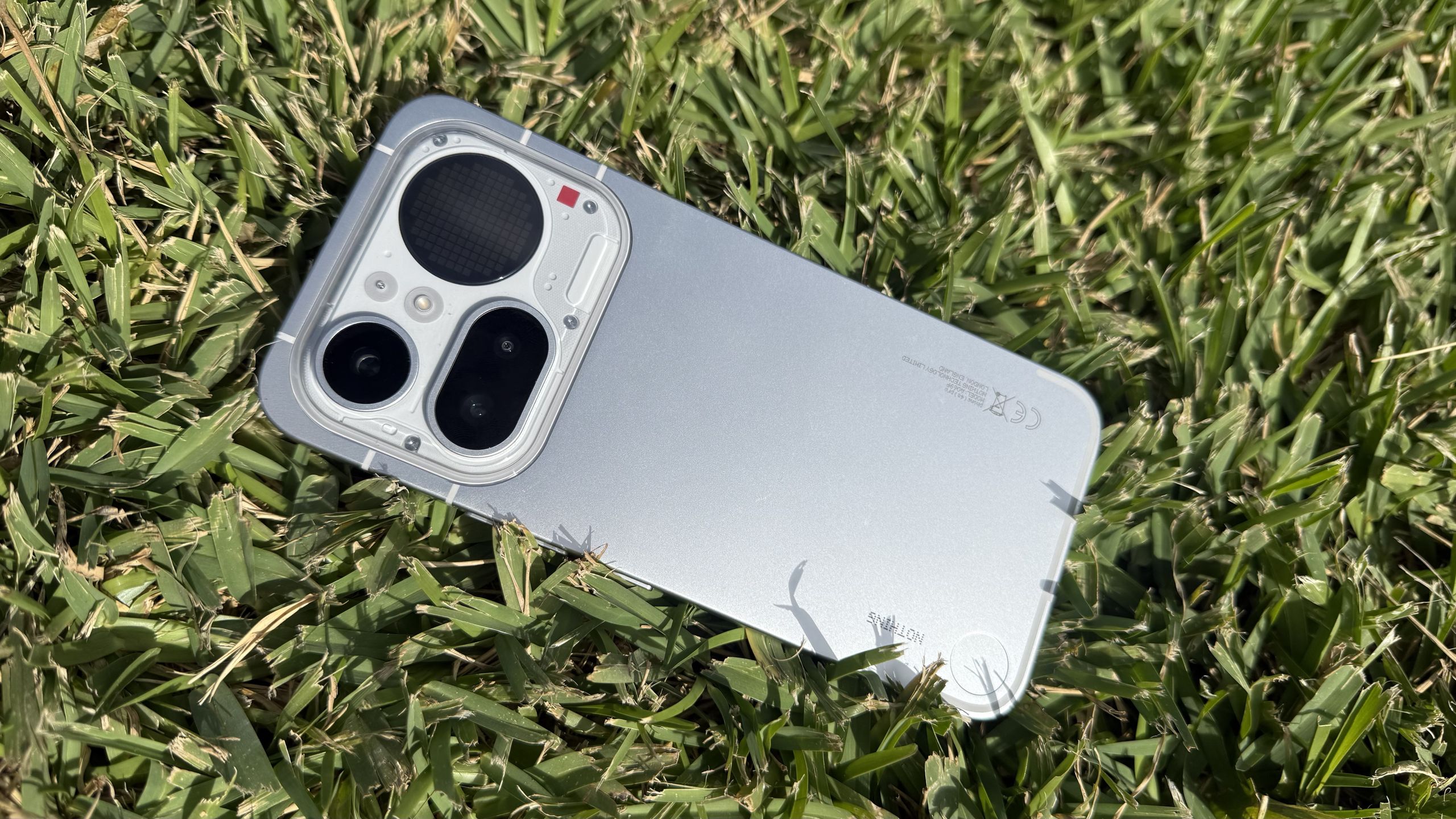
Enterprise technology decision-makers already grappling with elevated hardware costs face a prolonged RAM crisis, according to the latest warnings from industry leaders. Nothing CEO Carl Pei stated that memory is now the most expensive component in a smartphone, surpassing processors and displays, and can account for more than 50% of the total hardware bill.
Pei's Pricing Alert
In a social media post, Pei explained that memory costs for the Phone (4a) doubled between design and launch. As a result, "phone prices are going up," he said, "and they'll keep going up into next year." He advised consumers: "If you've been waiting to upgrade a device, the best time was yesterday. The next best time is now." Pei also warned that seasonal sales like Black Friday may not offer the discounts people are used to, as retailers pass on higher component costs.
Divergent Forecasts from Chip Leaders
The RAM crisis outlook is not uniform. Nvidia CEO Jensen Huang recently predicted the memory shortage will last for "quite a few years," aligning with Pei's near-term view. However, Kye-hyun Kyung, former head of Samsung's semiconductor business, offers a longer-term silver lining: RAM costs may soften by late 2027 or early 2028, driven by Chinese companies expanding RAM output. Kyung also noted that if the AI boom slows, investment and demand for RAM could stall, further easing prices amid an influx of Chinese supply.
Implications for Technology Procurement
| Factor | Pei / Huang View | Kyung View |
|---|---|---|
| Duration of price rise | Into 2027 | Late 2027-early 2028 easing |
| Key driver | Sustained demand, supply crunch | Chinese capacity expansion, AI slowdown |
| Risk to buyers | Pay more now; less discount later | Possible tariff or import ban on Chinese chips |
For CTOs and procurement leaders, the takeaway is that hardware budgets should account for continued upward pressure on device costs through at least 2027, with potential relief only after that. The article notes that Huang's and Pei's warnings may be self-serving—Huang wants companies to buy Nvidia chips now, and Pei wants consumers to buy Nothing phones now—but the underlying supply constraints are corroborated by other sources.
Caveats and Strategic Response
The source article also highlights geopolitical risks: while Chinese RAM could lower costs, countries like the US may impose import bans or tariffs to counter them, especially if they threaten American firms like Nvidia. Additionally, Chinese chips may not match performance, though for budget-conscious enterprises, "cheap and slightly worse chips would be better than nothing."
For organizations planning device refreshes, the article suggests monitoring early sales events—such as Amazon Prime Day starting June 23—as a gauge of real discount levels. Given the structural nature of the RAM crisis, delaying purchases may result in higher costs rather than savings. Procurement strategies should prioritize locking in current prices where possible and building flexibility to absorb continued increases.
Sources: