
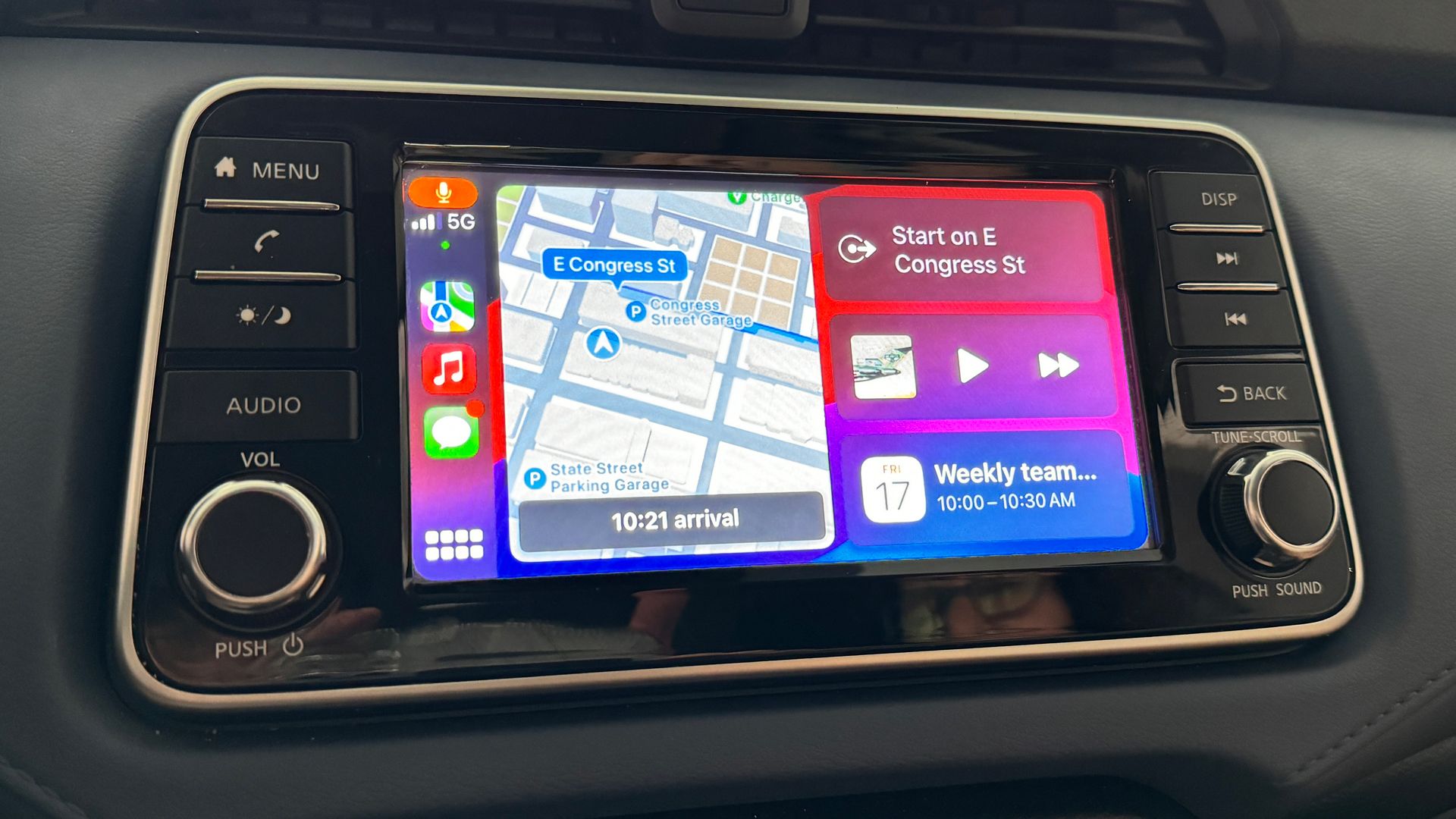
Apple's WWDC 2026 conference on June 8 included a significant but under-the-radar update to CarPlay: support for video streaming. As part of the coming iOS 27 release, expected in September, CarPlay will allow users to browse favorite videos from their iPhone on the car's display. While Apple states the feature will only work "when they aren't driving," according to Car Experience Engineer Chris Whitney in an Apple Developer video, the update has sparked concerns about distracted driving, a leading cause of road incidents.
The Announcement and Its Limitations
The CarPlay update, detailed at WWDC, introduces video apps such as Netflix, YouTube, and possibly TikTok to supported car screens. Apple intends to restrict playback to times when the vehicle is not in motion. Whitney noted in the developer video that users will be able to use the feature "when they aren't driving," but also gave use cases where the vehicle could be idling rather than parked. This ambiguity has raised questions about whether the feature will be disabled only when the car is physically moving, or also when it is stationary but still on the road (e.g., at a traffic light or in a drive-thru queue).
Distracted Driving Statistics
The concern is not trivial. According to the National Highway Traffic Safety Administration (NHTSA), in 2024, over 3,200 people were killed and 315,000 injured from distracted driving in the United States. The agency repeatedly cites mobile phone use as a major source of these distractions. In the UK, solicitors regularly list "ineffective observation" of the roads as one of the top reasons for road collision incidents, as noted in the TechRadar report.
| Country / Body | Distracted Driving Fatalities (2024) | Injuries | Primary Cause Cited |
|---|---|---|---|
| United States (NHTSA) | 3,200 | 315,000 | Mobile phone use |
| United Kingdom (solicitors' data) | Not specified | Not specified | Ineffective observation |
While tapping a CarPlay screen may be a step up from handling a phone, the risk remains significant, especially if the driver's attention is diverted at critical moments.
Safety Experts Voice Caution
The update has drawn criticism from road safety advocates. The TechRadar article argues that even if video playback is disabled while moving, drivers could still watch content while waiting at red lights, queuing at drive-thrus, or idling at pickup areas. "Distracted driving is a massive threat to road users," the article states, noting that professional driving lessons emphasize awareness of surroundings even when the vehicle is stationary but still in a roadway context. The ability to stream videos in such situations could lead to missed changes in traffic signals or unexpected hazards.
Enterprise and Policy Implications
For enterprise technology decision-makers, this update raises questions about corporate liability and driver policy for employees using fleet vehicles. Companies with strict distracted-driving policies may need to update their guidelines to address video streaming on CarPlay. Additionally, the feature could spur regulatory discussions: if Apple's restrictions are deemed insufficient, governments may consider mandating more aggressive technical controls on infotainment systems.
The update is part of a broader trend of growing complexity in in-vehicle technology. As cars become more connected, the balance between convenience and safety becomes harder to maintain. Apple's approach — enabling video while parked but potentially allowing it in other stationary situations — may not be enough, and the company may face pressure to implement stricter geofencing or transmission-based locks.
The Road Ahead
Apple's CarPlay video streaming is set to arrive with iOS 27, likely in September 2026. The developer beta is available now. While the feature offers entertainment for passengers or drivers in safe parking situations, the lack of clarity on idling use cases leaves a gap that could contribute to distracted driving incidents. As one observer put it, "if you're streaming it in your vehicle when you should be watching the road, you're a risk."
Sources:


