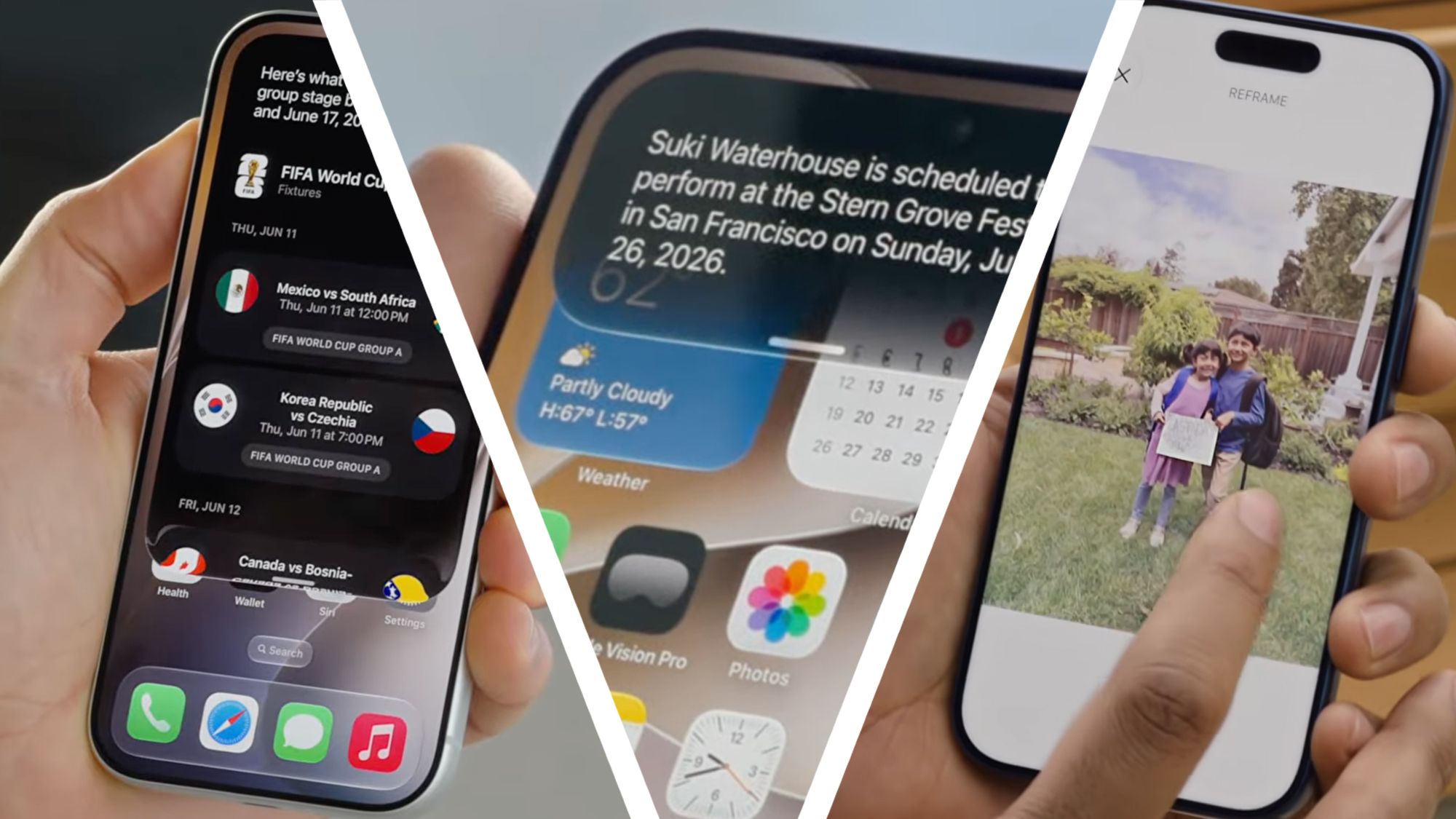
Your aging iPhone will feel a little more responsive once you download iOS 27 later this year. At Apple's developer keynote at WWDC 2026, the company said its next mobile operating system brings several platform stability improvements that will make older devices, as far back as the iPhone 11 from 2019, run a little better, according to WIRED.
iOS 27 Performance Gains: Specific Metrics
Apple disclosed a laundry list of improvements with verifiable speed increases tested on specific devices, per WIRED. The main highlights include:
- App launches are up to 30 percent faster—tested on an iPhone 11 Pro Max.
- AirDrop file transfers are up to 80 percent faster (tested on an iPhone 16 Plus).
- Jumping into your photo library after snapping a photo will load images up to 70 percent faster, as tested on an iPhone 15.
The iPhone will also get smarter about switching between cellular and Wi-Fi networks. Apple has rebuilt the system that powers search in Spotlight, Photos, and Mail, meaning users should ideally see exactly what they're searching for on the first try.
| Improvement | Speed Gain | Test Device |
|---|---|---|
| App launches | Up to 30% faster | iPhone 11 Pro Max |
| AirDrop file transfers | Up to 80% faster | iPhone 16 Plus |
| Photo library loading | Up to 70% faster | iPhone 15 |
CPU Scheduler Optimizations for Older iPhones
Some of these improvements are thanks to optimizations to the iPhone's CPU scheduler. According to WIRED, this is a standard component in operating systems that coordinates work for the CPU, managing the traffic flow of apps and services so that the main thing you're doing runs smooth and fast. Apple's most advanced CPU scheduler is in its latest devices, but the team brought many of those algorithm advancements down to the iPhone 11 in iOS 27.
This means features that previously required newer hardware now extend to older models—though Apple Intelligence remains an exception.
Why Apple Supports Older Devices: Services Revenue and Brand Value
It's in Apple's best interest to keep older devices updated for as long as possible. Francisco Jeronimo, vice president for Data and Analytics at research firm IDC, says consumers don't want to feel forced to upgrade their smartphone. If they can keep their device for longer, it's one less worry, and better value for money, especially as we're spending more on smartphones today than ever before, he told WIRED.
“This is a big differentiator between iOS and Android,” Jeronimo says. “Because consumers now know that if they buy an iOS device, it will last longer, and it will retain value at the end when they decide to upgrade. An Android device—after two, three years, depending on the brand—they will not be able to get upgrades anymore. The device will lose value if they want to upgrade, and they will not be able to sell it at a higher price.”
While Apple typically supports its devices for six to seven years, only select Android phone makers like Google and Samsung promise that level of support, according to WIRED.
But if people are holding onto their phones for longer, keeping devices updated also opens the door for those customers to buy other Apple products—perhaps an Apple Watch or AirPods to supplement their device, Jeronimo says.
Even more crucially for Apple, there's a higher incentive to subscribe to the company's many services—Fitness+, Apple TV, Apple Music, and so on. Apple reported in April that its services business hit an all-time revenue record of $31 billion, per WIRED.
“No one will criticize them if they weren't able to support [the iPhone 11],” Jeronimo says. “But they clearly want to support all their devices because they know that means a lot in terms of brand value, and for consumers to know that when they buy their products, their products last, and that's critical.”
The Trade-Off: No Apple Intelligence for Older iPhones
The caveat is that while these older iPhones will remain supported, they will not be able to take advantage of several key new features debuting in iOS 27. All Apple Intelligence features—including the brand-new Siri AI experience that finally purports to make the voice assistant useful—are only available on the iPhone 15 Pro or newer phones, according to WIRED. So if you want a smarter Siri or to use AI to dress up your photos, you'll finally have to upgrade.
For enterprise technology leaders, this update is relevant for device lifecycle management. Older iPhones used in corporate fleets will gain performance improvements without hardware replacement, reducing total cost of ownership. However, organizations relying on AI-driven workflows will need to plan upgrades to iPhone 15 Pro or later to unlock Apple Intelligence capabilities.
Sources: