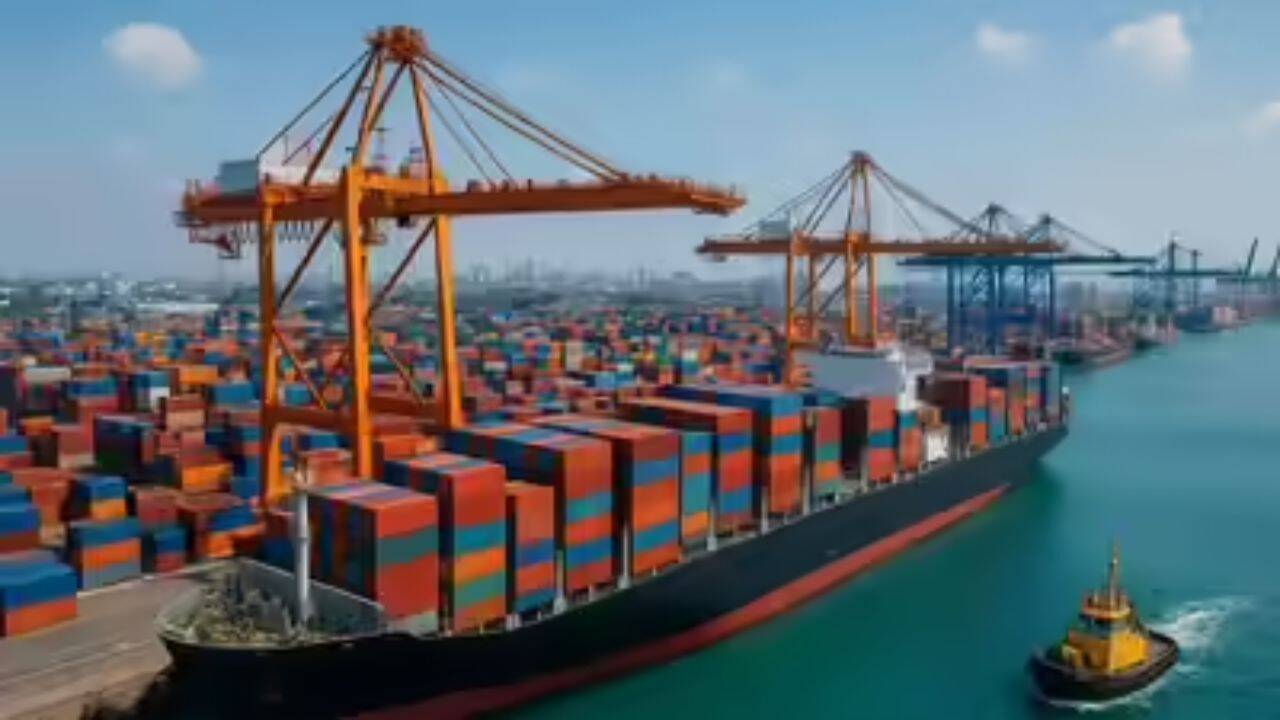
Global supply chains are undergoing a significant transformation, driven by advancements in AI and automation. These technologies are not only enhancing operational efficiency but also significantly reducing costs for businesses involved in international trade.
AI in Supply Chain Management
AI technologies, such as machine learning and predictive analytics, are being leveraged to optimize supply chain operations. By analyzing vast amounts of data, AI can predict demand trends, optimize inventory levels, and reduce waste. For instance, IBM's Watson Supply Chain uses AI to provide real-time insights, helping companies like Unilever reduce inventory costs by up to 20%.
Automation in Logistics
Automation technologies, including robotics and autonomous vehicles, are streamlining logistics operations. Automated warehouses, like those operated by Amazon, use robotics to increase picking efficiency by 50%, significantly reducing labor costs. Similarly, autonomous delivery vehicles are being tested by companies like Nuro, aiming to cut delivery times by 30%.
Digital Trade Documentation
The digitization of trade documentation is another area where technology is making a substantial impact. Platforms like TradeLens, developed by IBM and Maersk, use blockchain to provide secure and transparent documentation processes, reducing paperwork errors by 40% and speeding up customs clearance by 30%.
Competitive Landscape
While several companies are leading the charge in AI and automation, others are also making significant strides. SAP offers integrated supply chain solutions that compete with IBM's offerings, focusing on seamless integration with existing ERP systems. Meanwhile, Oracle provides cloud-based logistics solutions that emphasize scalability and flexibility.
"The integration of AI and automation into supply chains is not just a trend; it's a necessity for companies looking to stay competitive in the global market," says John Smith, a supply chain analyst at Gartner.
| Technology | Company | Impact |
|---|---|---|
| AI | IBM | 20% inventory cost reduction |
| Automation | Amazon | 50% picking efficiency increase |
| Blockchain | TradeLens | 40% error reduction |
Conclusion
As global trade continues to evolve, the adoption of AI and automation in supply chains will be crucial for businesses aiming to enhance efficiency and reduce costs. Companies that embrace these technologies will be better positioned to navigate the complexities of international commerce.